Edito
Lisa De Visscher, Editor-in-Chief
Anne-Laure Iger, Guest editor
Anyone looking at the European architectural calendar for recent months will see that the 2017–2018 season drew to a close with the opening of two high-profile events: the 16th Venice Architecture Biennale and the latest edition of the International Architecture Biennale Rotterdam (IABR), which was presented in two parts this year – in Rotterdam itself and in Brussels. Although both events bear the title ‘architecture biennale’, they have little in common. Ultimately, the term ‘biennale’ refers merely to a temporal framework – a biennial series. However, since the founding of the Venice Architecture Biennale in 1970, the word has taken on an additional significance and a new appeal. Today, a ‘biennale’ seems to be an autonomous concept, a brand that lends any series of exhibitions an aura of quality and prestige. Indeed, not a year goes by worldwide without an international art or architecture biennale. Within this context of a certain oversupply, in this issue we look beyond the terminology and explore what such a biennale actually means for the dissemination of architectural culture.
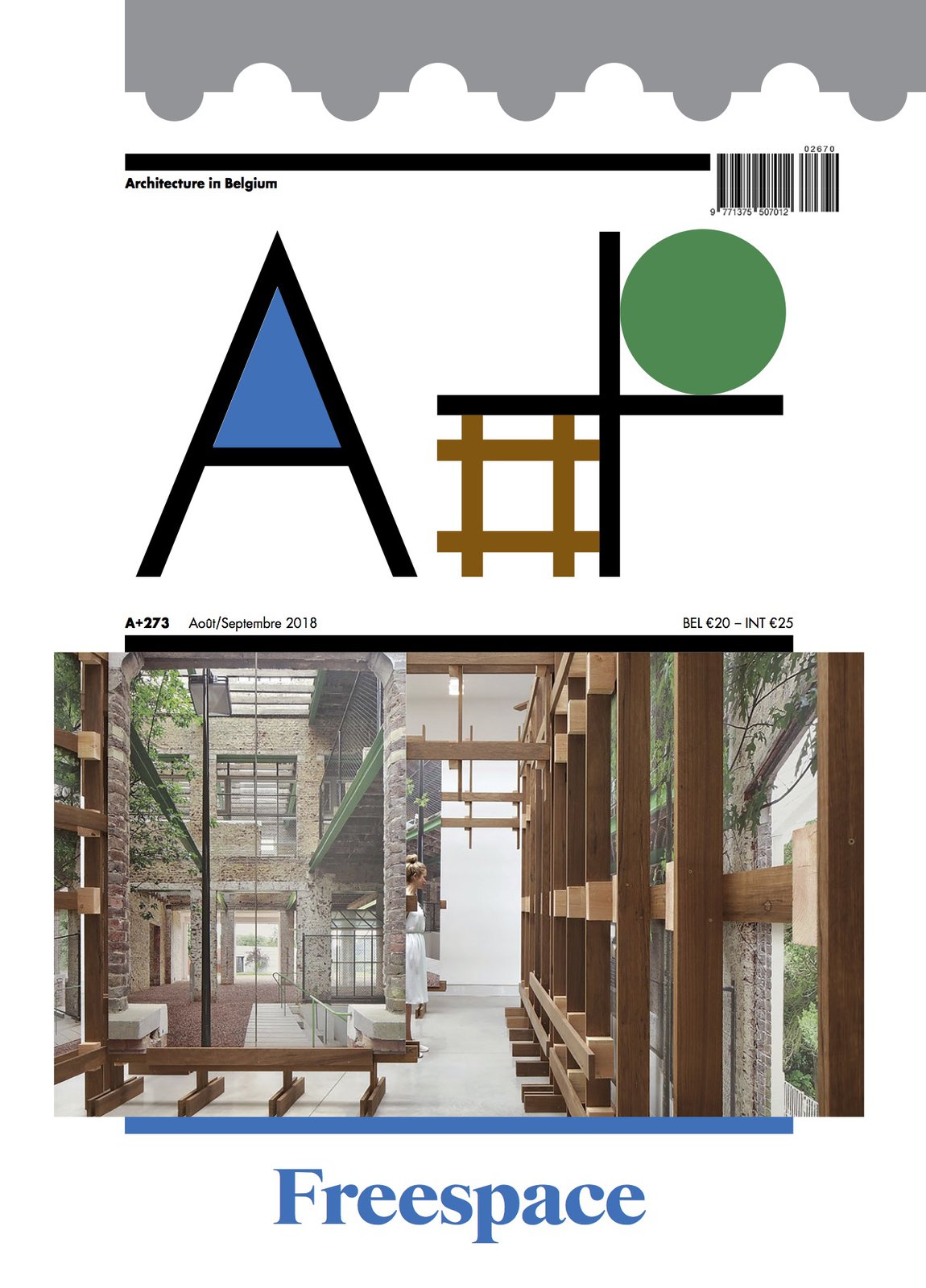
In May, the Venice Biennale opened with ‘Freespace’, the theme developed by curators Yvonne Farrell and Shelley McNamara. Venice is the quintessential venue where architectural culture is given free rein. Without much distinction, one finds, side by side, political statements, aestheticised installations and monographic exhibitions of an artist’s oeuvre. The Missing Link (IABR-Brussels), by contrast, positions itself as a true ‘working biennial’. It presents an initial overview of an ongoing research project, one that is rooted in contemporary urban dynamics and continually fuelled by talks, debates and guided tours. The IABR’s ambition, therefore, lies in generating and facilitating social change. The contrast between the two biennials is striking, both in terms of the discipline of architecture and the way in which it is presented. In Venice, visitors wander amongst a multitude of contemporary architectural projects, each with strong formal potential and often the result of unique collaborations. At the IABR, projects are not simply displayed for what they are – even if they are sometimes very beautiful. The projects have a mission: they attract attention, stimulate debate and point the way towards possible change.
Given the significant structural, promotional and ideological differences, it makes little sense to compare two events with the same name and to search desperately for similarities. We have therefore decided to highlight the complementary nature of the two biennales, and the different means they employ to help us understand architecture and the city. We examine not only the outcome but also the way in which Belgian curators and participants position themselves within this kind of international context.
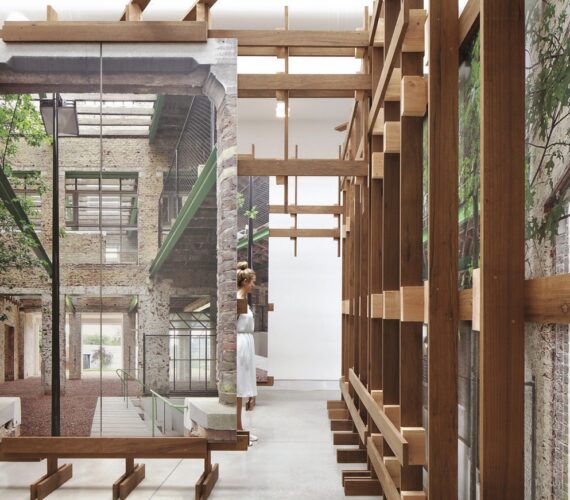
In this issue, we discuss the surprising dual nature of the IABR in Rotterdam and Brussels. This brings a new dynamic to our capital and also shines a spotlight on the various urban and social initiatives in Belgium. We discuss the various Belgian entries at the Venice Biennale and the award-winning projects, such as the installation *Unless Ever People* by architects de vylder vinck taillieu, Gideon Boie and Filip Dujardin, which was awarded a Golden Lion. The project by BC architects was the only one to feature in both biennales, both at the Arsenale and in the WTC Tower.
Although it proves impossible to find a single definition of what an architecture biennale actually is, it goes without saying that the ‘genre’ has an undeniable influence on architectural practice and the way in which it is portrayed.
We are curious to see how the BULB (Brussels Urban Landscape Biennale), which opens in Brussels this month, will complete the list.
Table of contents
FREESPACE
Editorial
Lisa De Visscher
Interview with Adam Caruso
Lisa De Visscher
Eva’s Rebellion
Joeri De Bruyn
What kind of freedom in what kind of architecture?
Pieter T’Jonck
Twelve black stars on a silver background
Anne-Laure Iger
A Venetian Chronicle of the French Community
Jean-Didier Bergilez
Belgium at the Biennale: Silence and Sovereignty
Lara Schrijver
The Venice Biennale: Weighed and Measured
Véronique Patteeuw
Dreaming of Eurotopia
Camille Gaillard
PROJECTS
Pierre Hebbelinck – HBAAT
Pôle Culturel de Montataire, Montataire (FR)
Trans
Ryhove, Ghent
Daniel Delgoffe
ESAC, Anderlecht
NU architectuuratelier
House Perrekes, Geel
Baumans-Deffet
Social Housing, Laeken
COMPETITION
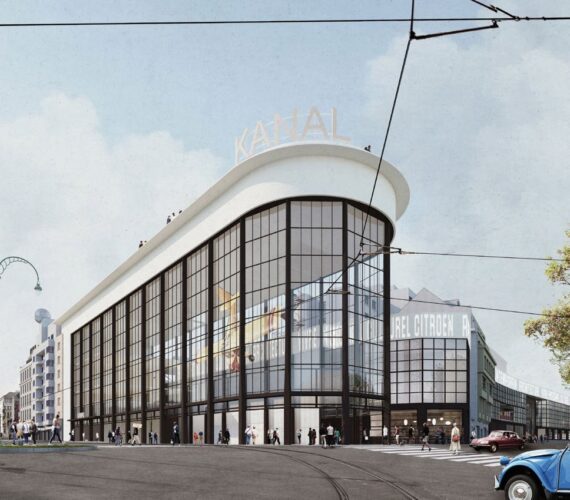
How the Citroën garage is becoming a stage for Brussels
Audrey Contesse
OFFICES
Barozzi Veiga: ‘A Sentimental Monumentality’
Eline Dehullu and Roxane Le Grelle
Madam
Gitte Van den Bergh
LRA
Apolline Vranken
EXHIBITION
(Re)Compose the City, CIVA
Pierre Chabard
STUDENT
Point, line and plane
Apolline Vranken
Lobbying for the lobby
Lisa De Visscher
Modern staircases with baroque flair
Eline Dehullu