Anyone looking at the European architectural calendar for recent months will see that the 2017–2018 season drew to a close with the opening of two high-profile events: the 16th Venice Architecture Biennale and the latest edition of the International Architecture Biennale Rotterdam (IABR), which was presented in two parts this year – in Rotterdam itself and in Brussels. Although both events bear the title ‘architecture biennale’, they have little in common. Ultimately, the term ‘biennale’ refers solely to a temporal framework, a biennial series. However, since the founding of the Venice Architecture Biennale in 1970, the word has acquired additional connotations and a new appeal. Today, a ‘biennale’ seems to be an autonomous concept, a brand that lends any series of exhibitions an aura of quality and prestige. Indeed, not a year goes by anywhere in the world without an international art or architecture biennale. Against this backdrop of a certain glut, in this issue we look beyond the terminology and explore what such a biennale actually means for the dissemination of architectural culture.
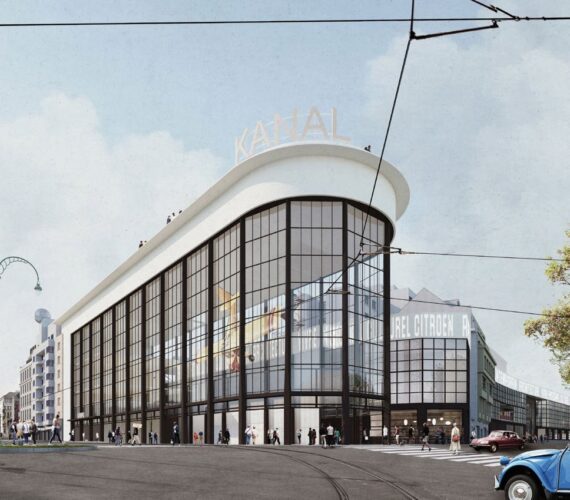
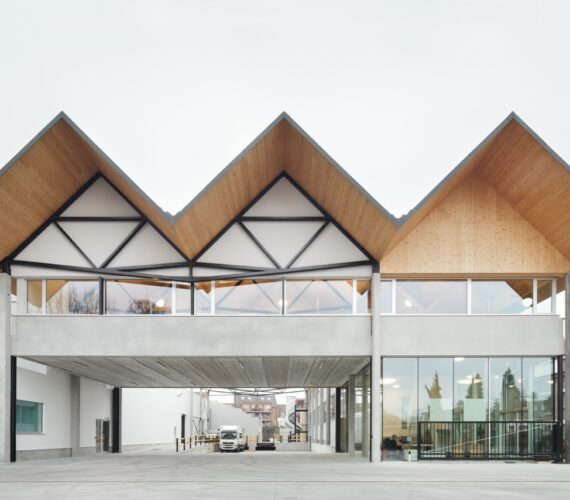
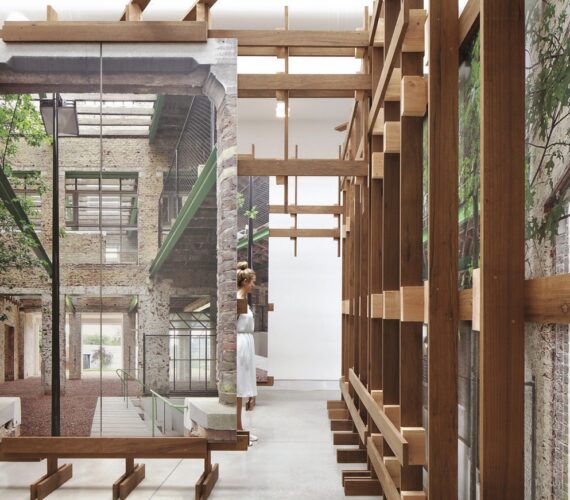
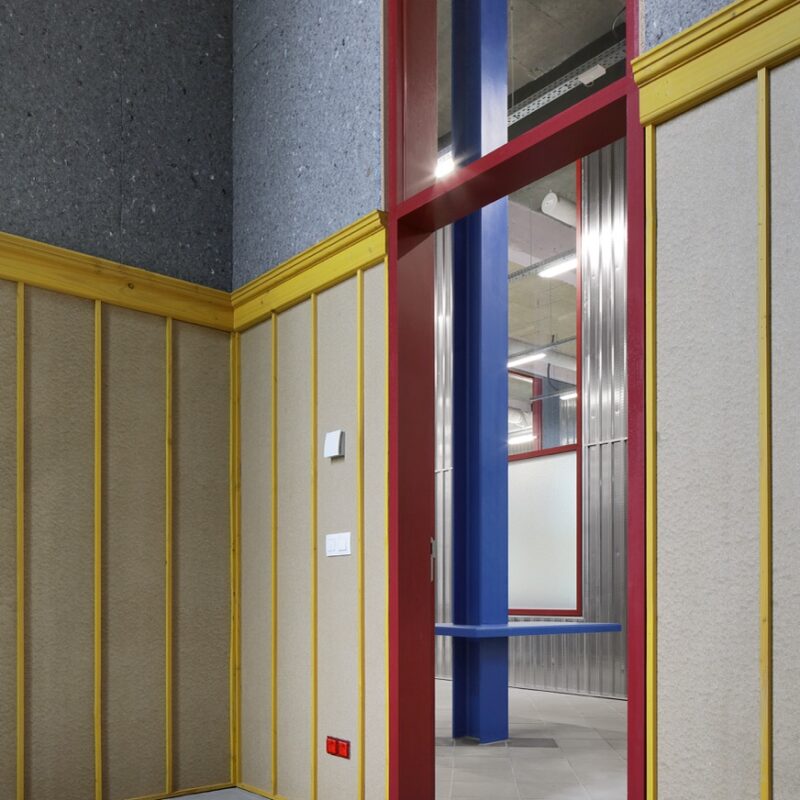
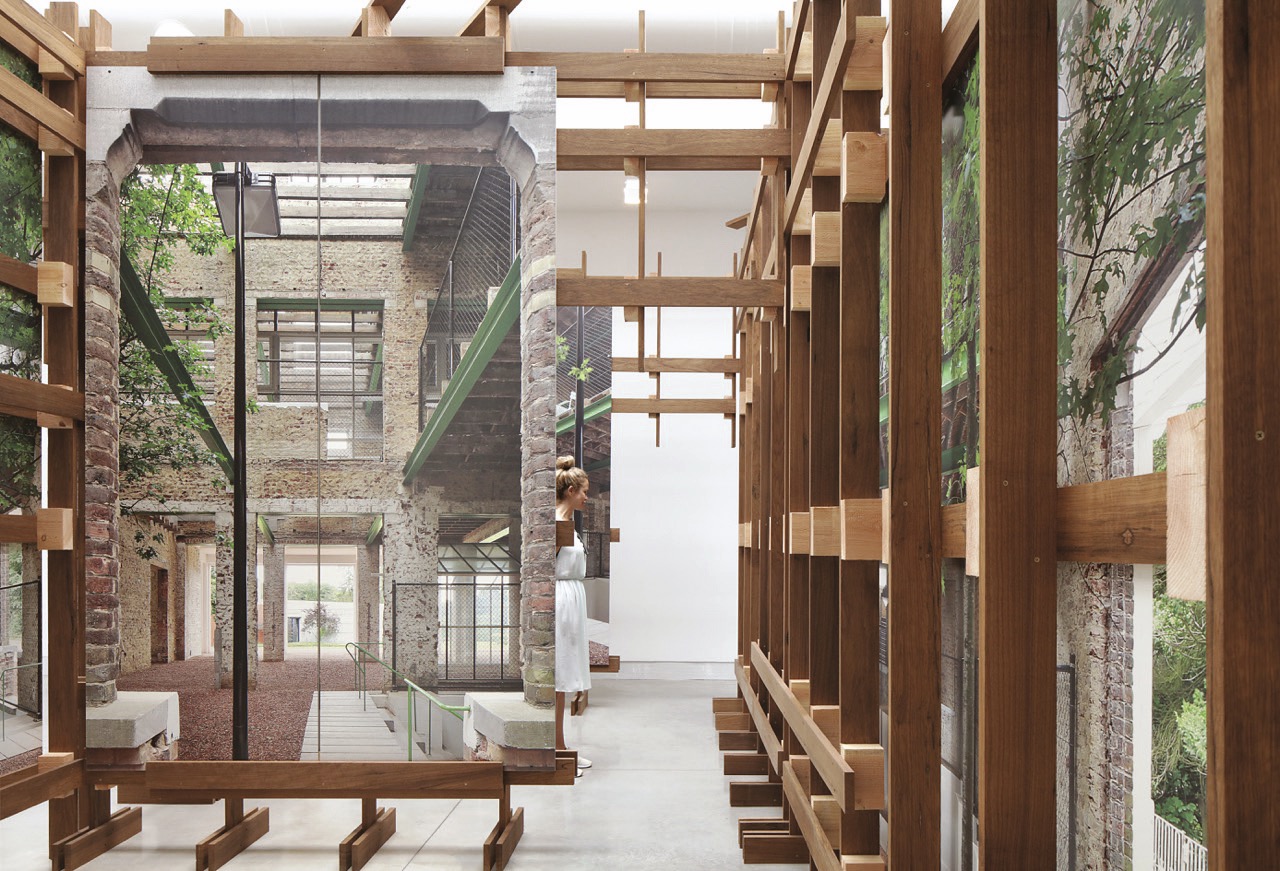
In May, the Venice Biennale opened with ‘Freespace’, the theme developed by curators Yvonne Farrell and Shelley McNamara. Venice is the place par excellence where architectural culture is given free rein. Without much distinction, you will find political statements, aestheticised installations and monographic exhibitions of an architect’s oeuvre all side by side. The Missing Link (IABR-Brussels), by contrast, positions itself as a genuine ‘working biennale’. It presents an initial account of an ongoing research project, rooted in contemporary urban dynamics and continually informed by talks, debates and guided tours. The IABR’s ambition, therefore, lies in generating and guiding social change. The contrast between the two biennales is striking, both in terms of the discipline of architecture and the way in which it is presented. In Venice, visitors wander amongst a multitude of contemporary architectural projects, each with strong formal potential and often the result of unique collaborations. At the IABR, projects are not simply displayed for what they are – even if they are sometimes very beautiful. The projects have a mission: they attract attention, stimulate debate and point the way towards possible change.