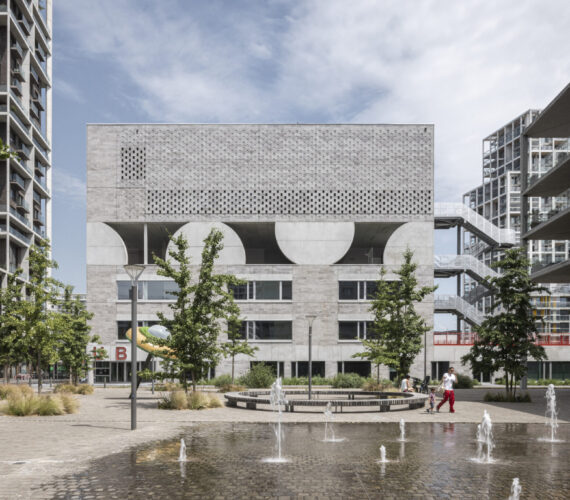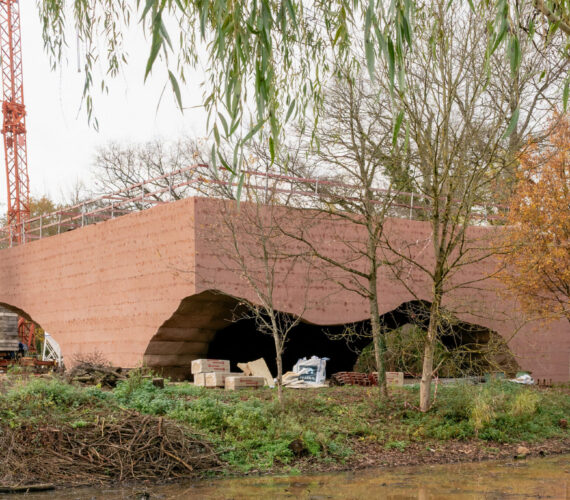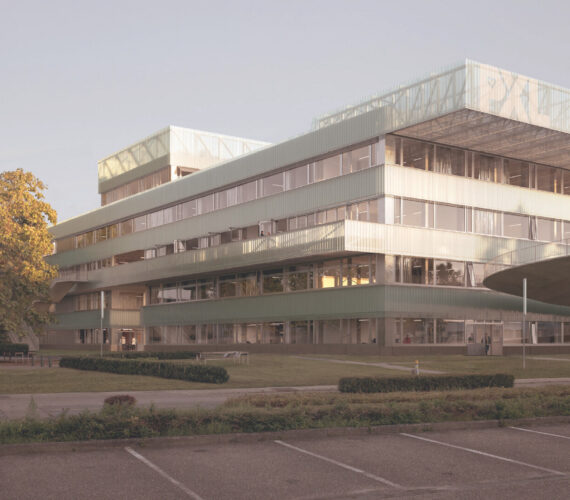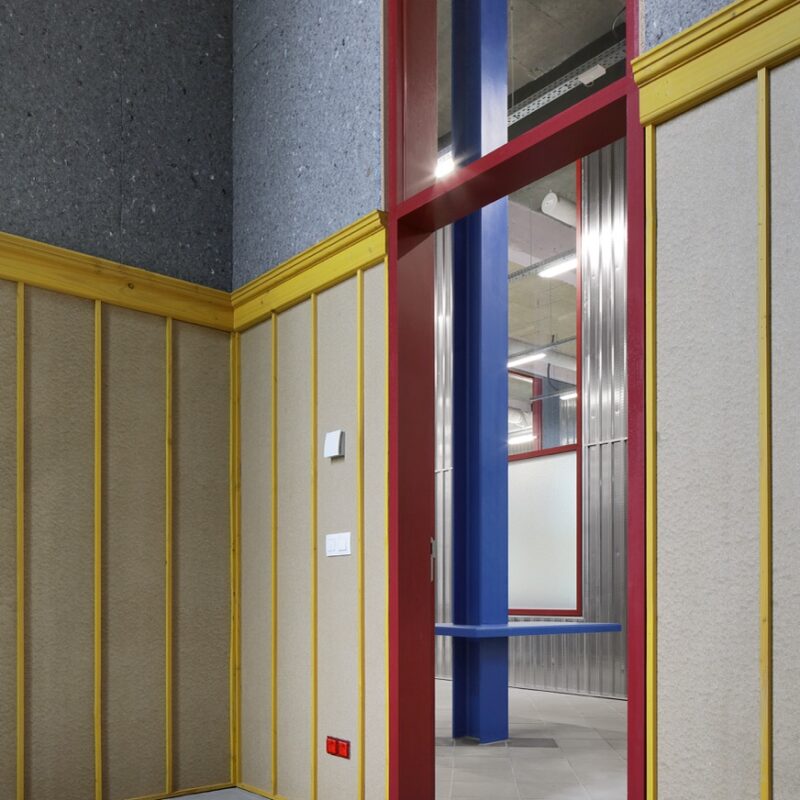
On 16 September 2020, as she made her State of the Union address, Ursula von der Leyen, President of the European Commission, announced the launch of the New European Bauhaus (NEB) as the cultural and social component of the European Green Deal. In doing so, she emphasized that the ecological transition was not only a technical or economic project, but also a cultural and social one. The slogan chosen for the NEB was the following: ‘Building Europe’s Future: Beautiful, Sustainable, Together’.
After decades of absence from the architectural discourse, the European Commission once again placed beauty front and centre as the first of three core values. This, however, raises fundamental questions: What exactly is meant by beauty? How is it to be defined? What are its underlying components? Who determines what is considered beautiful? Can we speak of a shared concept of beauty in Europe, or do views differ according to time, place and culture? And to what extent is our idea of beauty timeless or subject to change?
This article appeared in A+319, published on 28.09.2026.