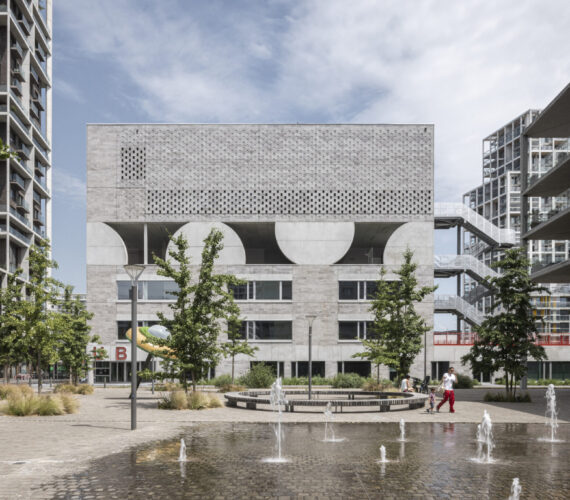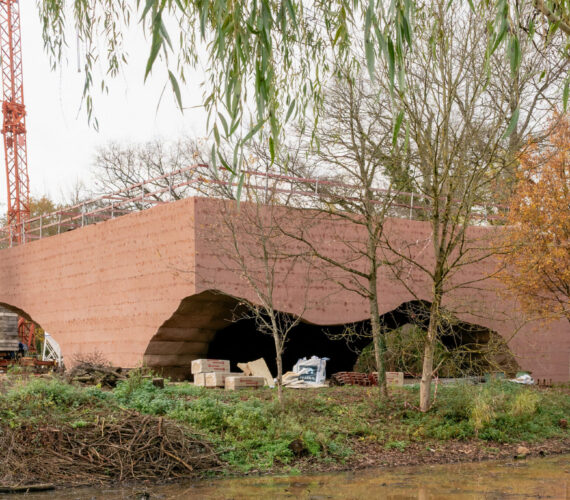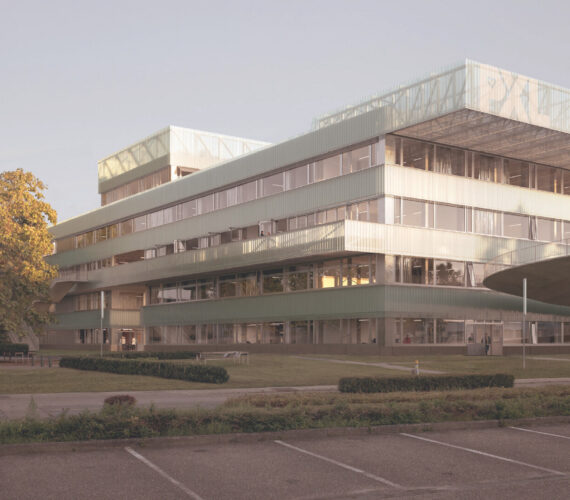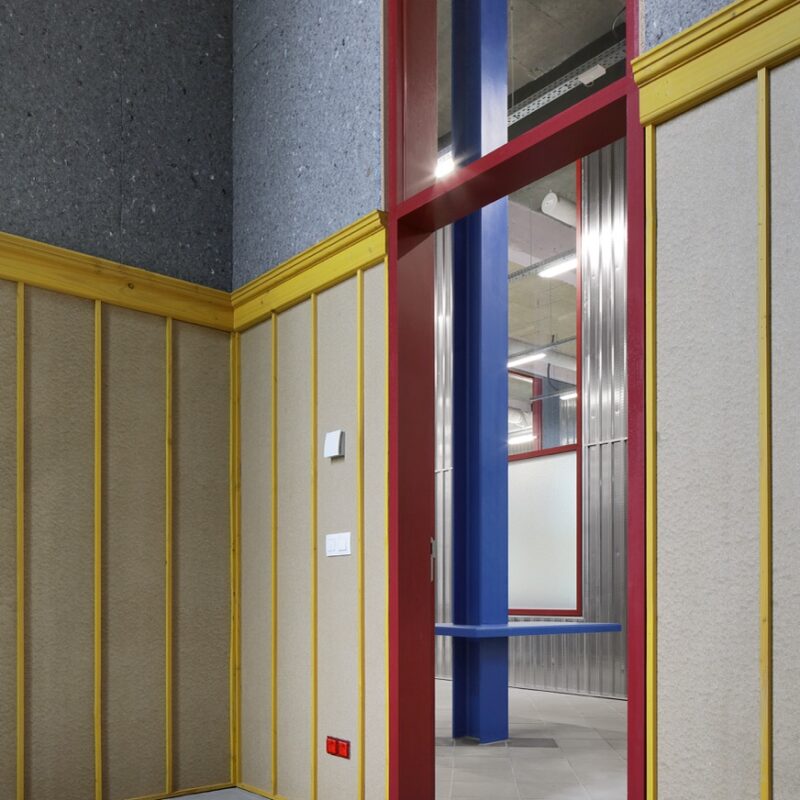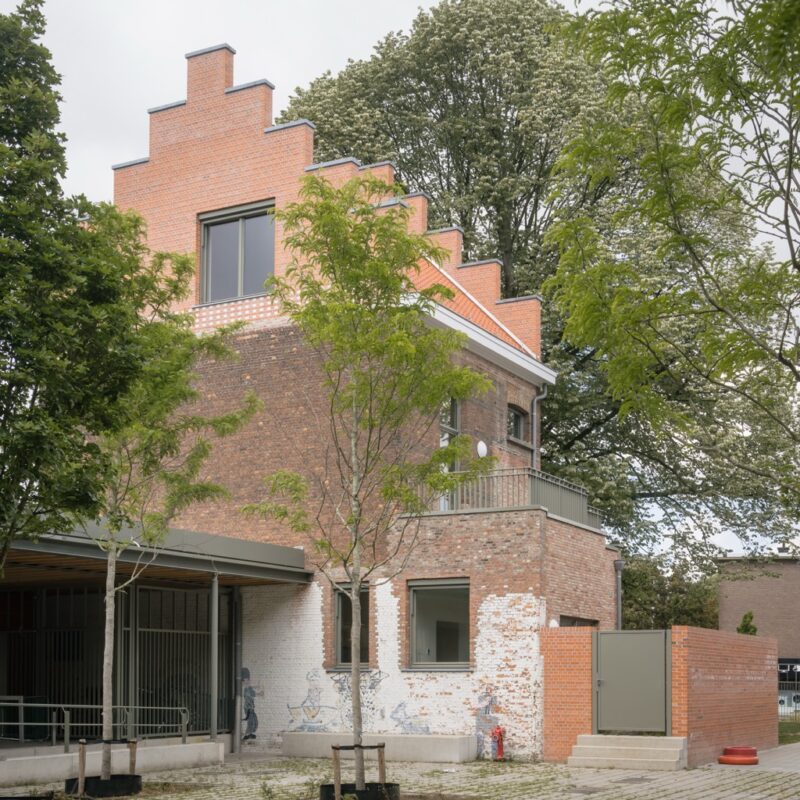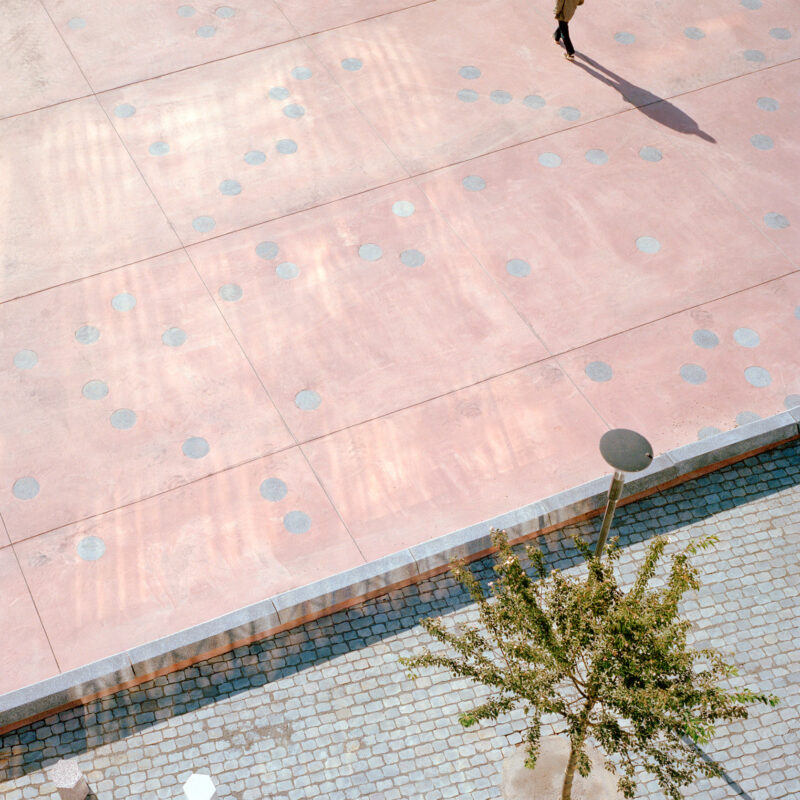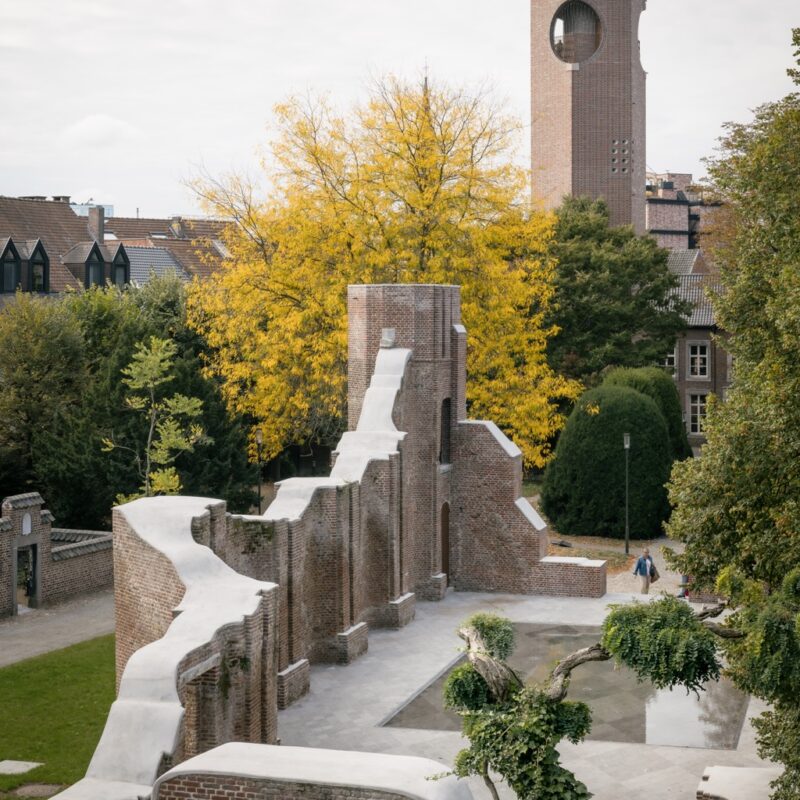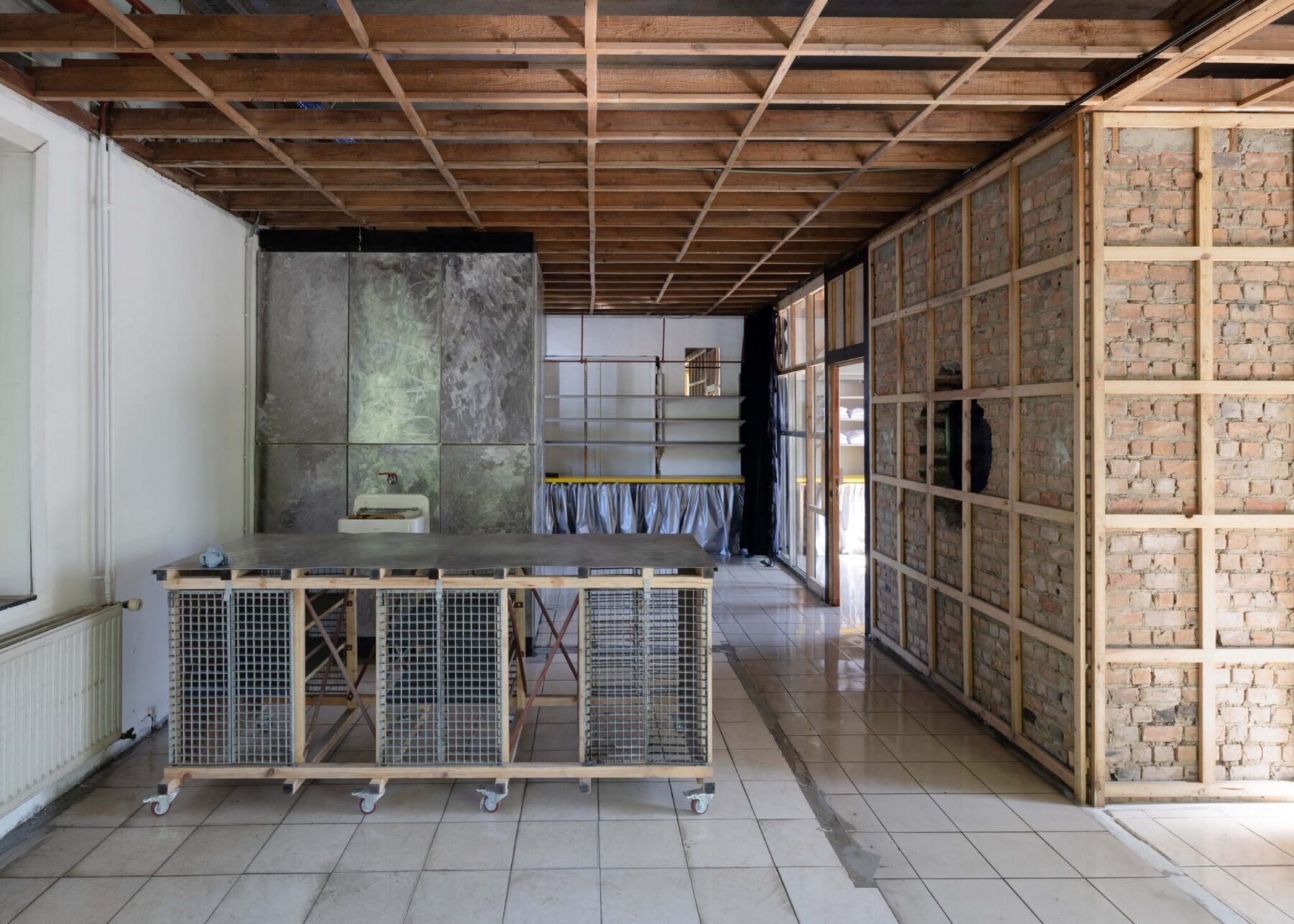
At a time when architecture is increasingly being judged on its environmental impact, our thinking about beauty is also shifting. Beauty is becoming detached from mere form and is increasingly rooted in the ethics and provenance of materials, as evidenced by the growing appreciation for natural and recycled materials. These developments constitute ethic-aesthetic practices that link creative expression with an awareness of its moral implications.
Material choices in architecture are never just technical; they are cultural, political and ecological. The impressive concrete volumes of 1960s brutalist architecture still enjoy wide appeal due to their well-known generosity in terms of democratic participation1 and their innovative building techniques. But to build fully in concrete today would feel rather misguided, given the unquestionably negative effects of concrete production on the environment and the lack of possibilities of an afterlife for concrete, as it isn’t easy to recycle or reuse. The exquisitely textured and generously laid natural-stone façade claddings and floorings from the 1990s share the same fate; they are no longer sustainable either economically or ecologically. But our perception of beauty towards these materials has also evolved over the decades through a critical examination of the material flows in the building industry. It is commonly acknowledged now that ‘the construction of a landscape in one place is related to the transformation elsewhere’.2 What used to be the norm for beauty has become a symbol of ignorance with regard to climate breakdown. 1 Shannon Mattern, ‘Surveillance Space: Urban Infrastructures of Control’, The Architectural Review (July/August 2024). 2 Jane Hutton, Reciprocal Landscapes: Stories of Material Movements (Routledge, 2020), 3.
This article appeared in A+319, published on 28.09.2026.