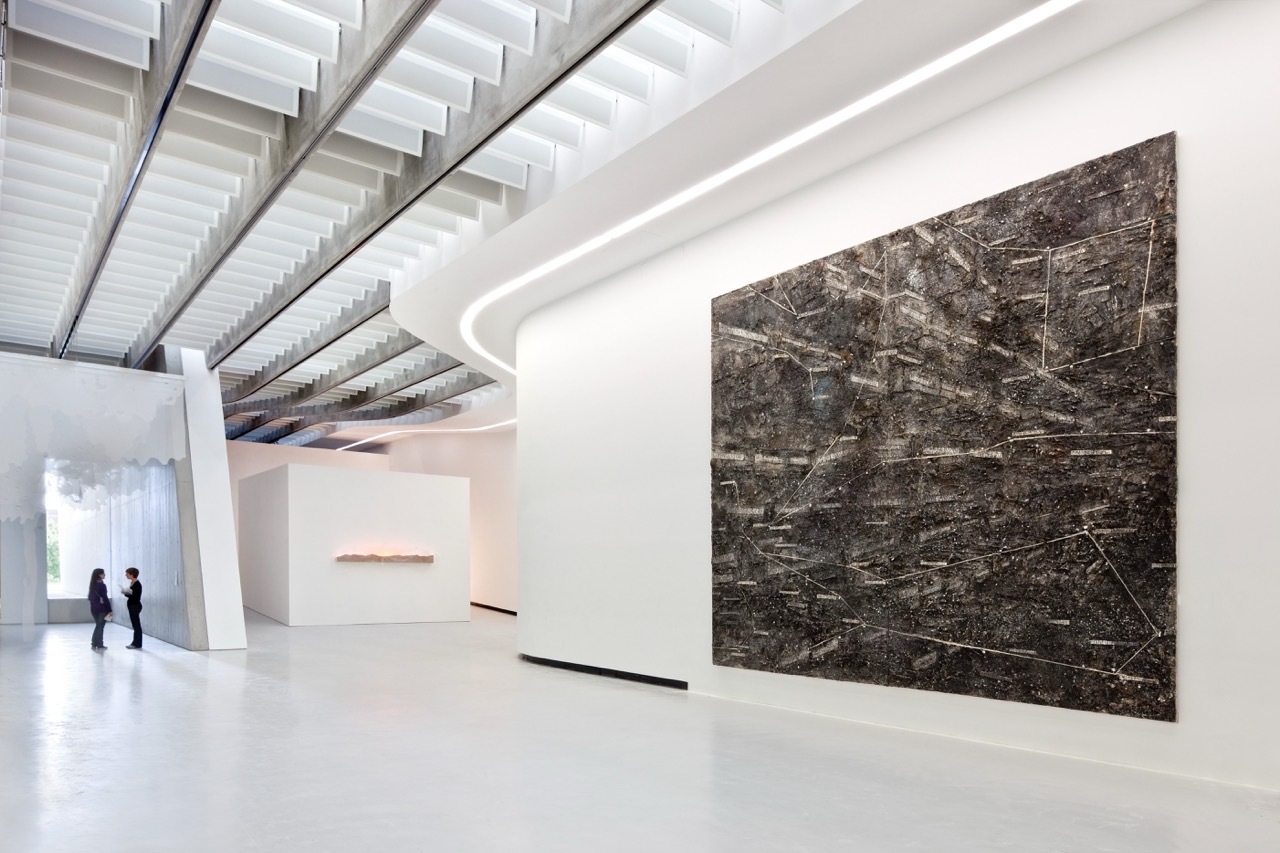
Museums have long been regarded as a highly prestigious commission for an architect. They are large buildings, with equally substantial budgets that allow the designer to shine. Moreover, in the case of the art museum, it is also the place par excellence where the ‘mother of all arts’ connects with those arts. The question is whether this still holds true for contemporary museums? Where do the building, the collection and the practice of artists and curators reinforce one another? Where do they get in each other’s way? What contribution can architecture really make?
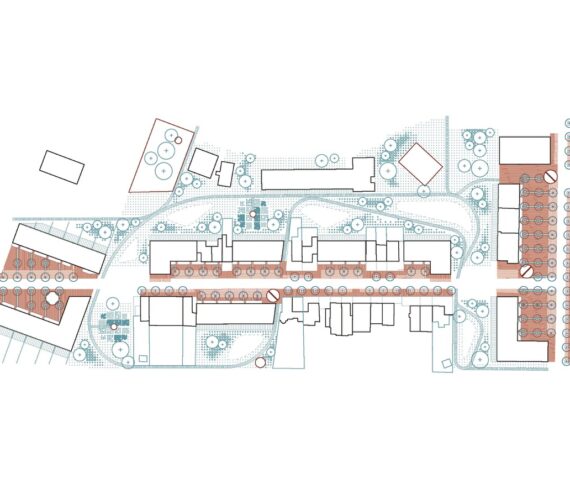
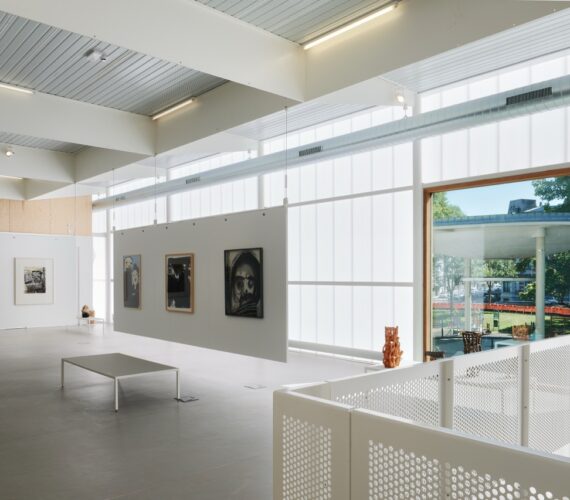
To be clear: a museum is an institution that manages, studies and exhibits its own collection. The prime example is the Royal Museums of Fine Arts in Brussels. If there is no permanent collection, we refer to it as an art gallery or exhibition space, such as Z33 in Hasselt. That is a fundamental difference. Yet that distinction is becoming increasingly blurred, due to a twofold development. This is particularly evident in art museums, but not only there.