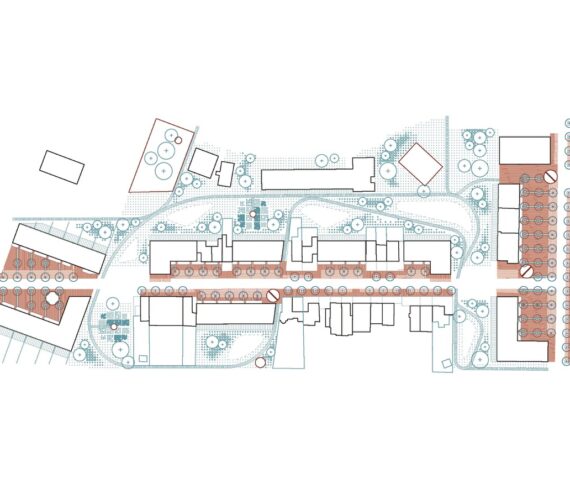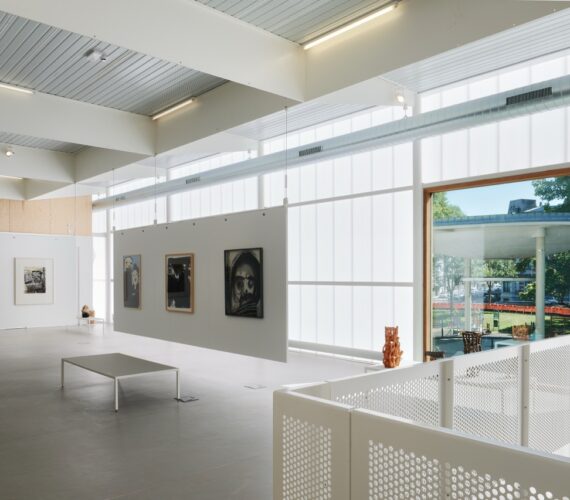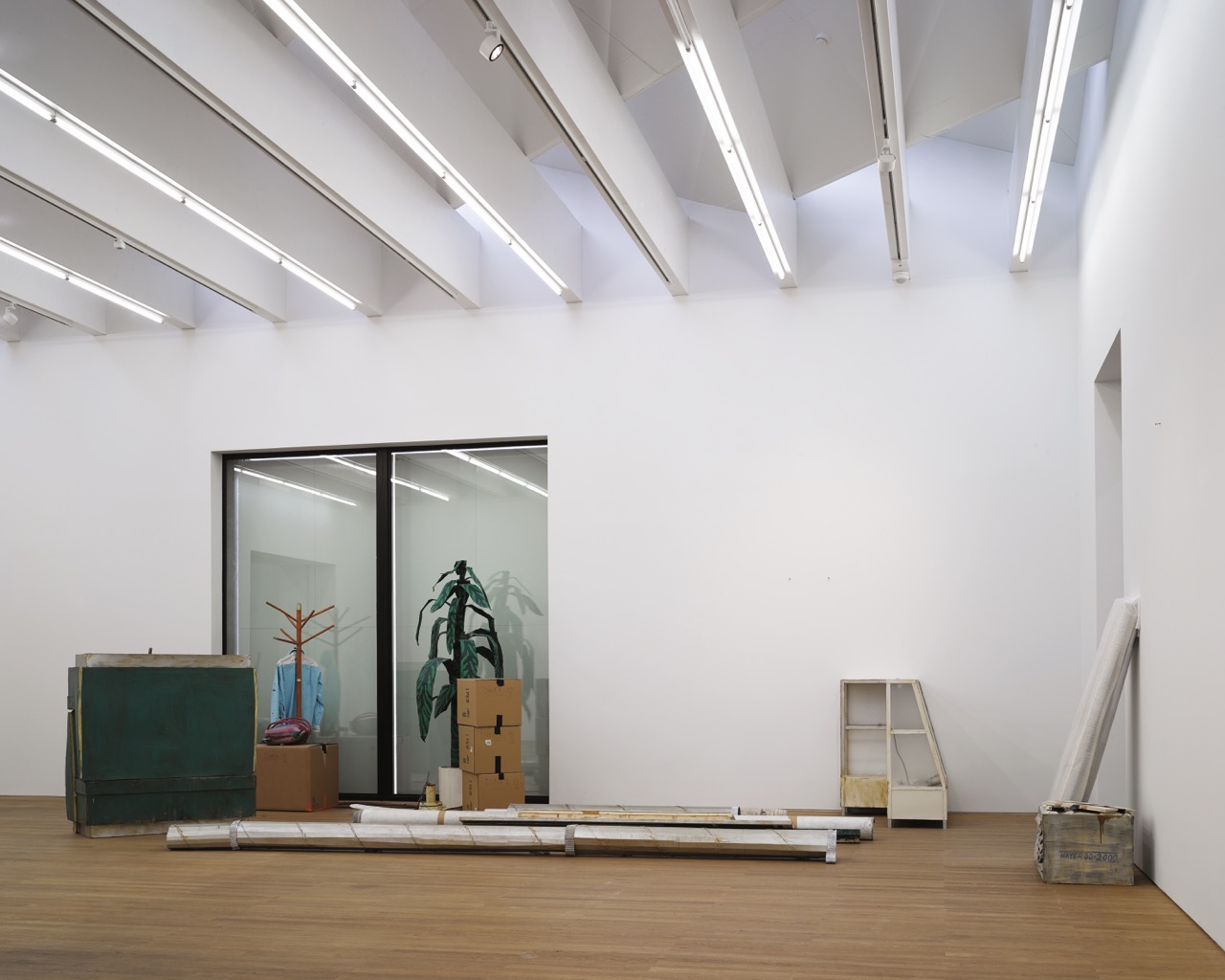
And then there was the new Muhka. Or almost. The open call for the construction of a new Museum of Contemporary Art in Antwerp was unexpectedly halted last spring by Flemish Minister for Culture Jan Jambon. What happened? Despite years of preliminary studies and four proposals submitted by experienced, world-renowned teams of architects, the selection committee was unable to reach a unanimous decision. The reactions in the media were numerous and scathing. And rightly so. Hidden agendas were evident both in Flemish politics and at the local economic level. Opportunistic wrangling behind the scenes swept away the work of many years and dozens of people, including the architectural teams, in one fell swoop. The secrecy surrounding this entire competition – the projects are not allowed to be published! – runs counter to everything an Open Call stands for and makes the much-needed social and architectural debate impossible.
Suppose the Muhka were not a museum, but a social housing project, an office complex or even a school: no one would have batted an eyelid. Both the procedure and the reaction to it would have unfolded quite differently. After all, because it carries so much prestige, a museum is always a project in which appropriation plays a significant role. Everyone wants to claim the project as their own: the architect, the museum director, the city and the funding authority.