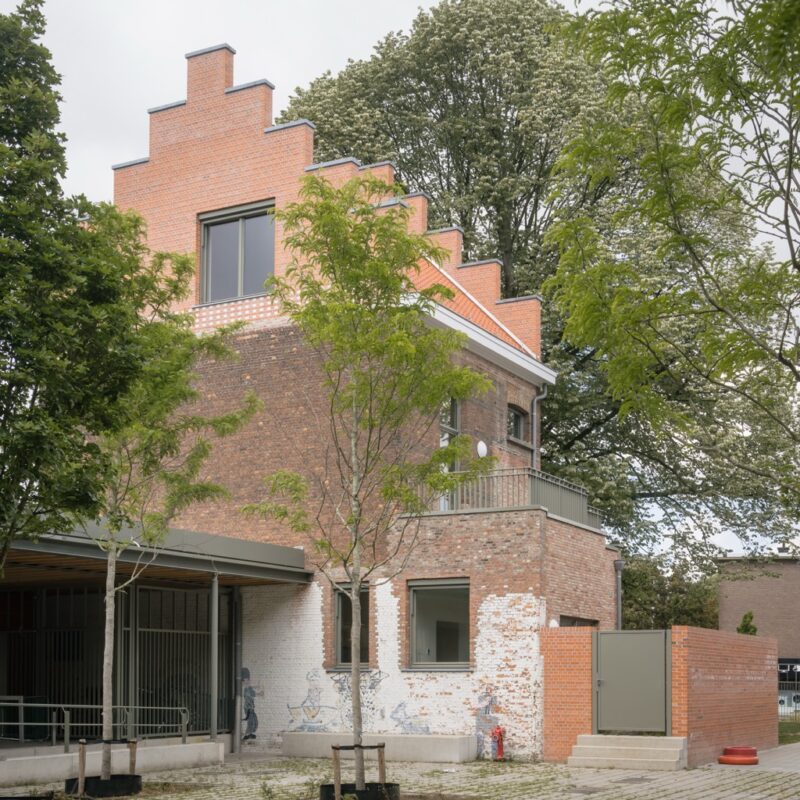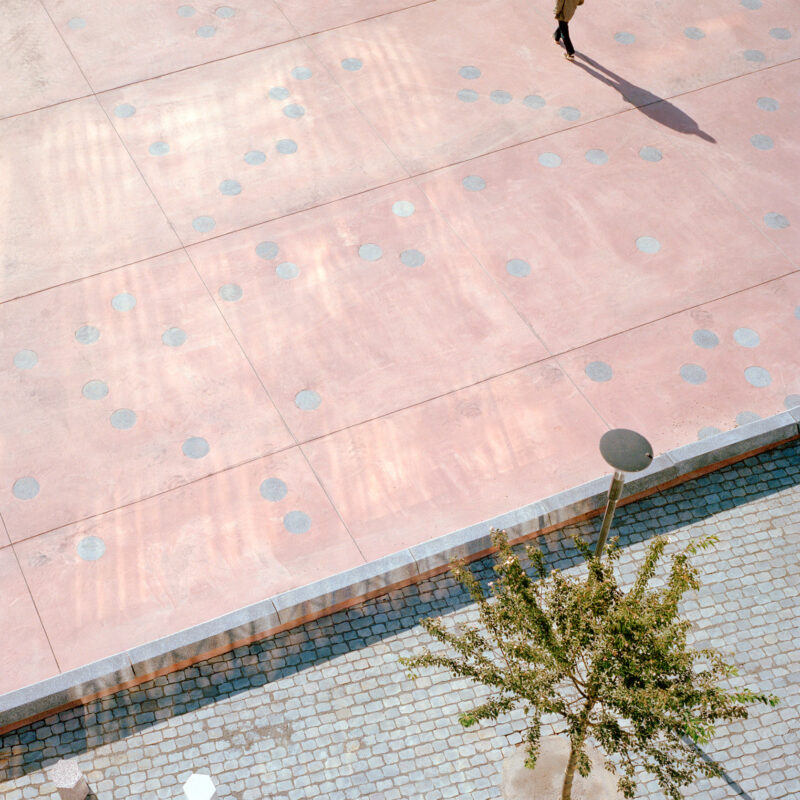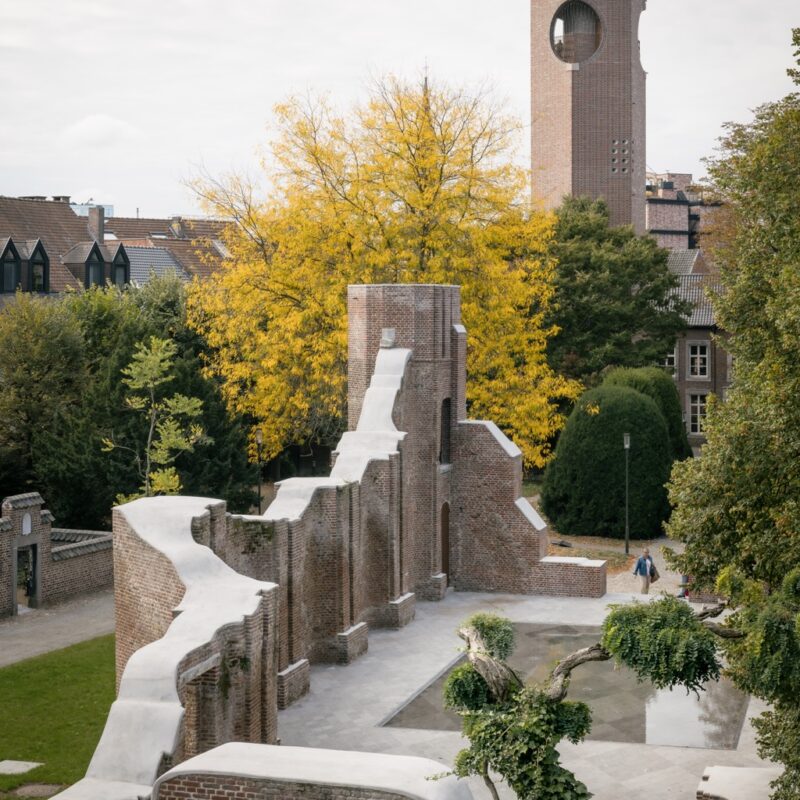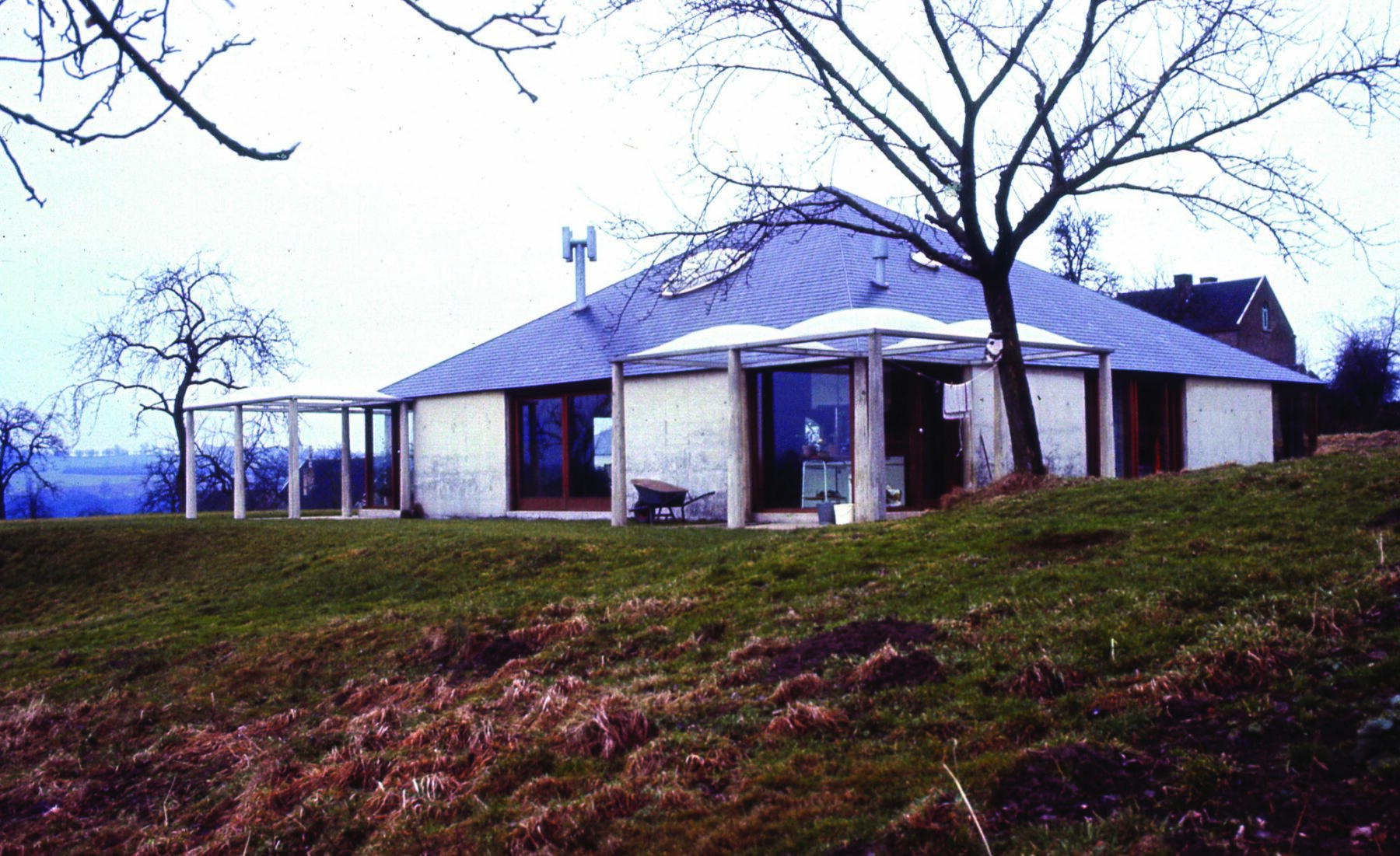
On 22 January, Charles Vandenhove, one of the most important Belgian architects of the 20th century, passed away. Over the course of his practice, spanning more than 60 years, he built up a striking body of work with passion and perseverance. In defiance of post-war functionalism, he always regarded architecture as an art form – a contemporary visual art in continuity with traditional architecture.
Born into a family of farmers in the Voer region, Charles Vandenhove began his architectural studies in 1945 at the École Saint-Luc in Liège, before continuing them in 1948 at the National Institute of Ter Kameren, where he graduated top of his class in 1951 under Victor Bourgeois. The latter did not confine himself merely to project-based teaching, but also provided his students with an overview of Western architectural history. Although Bourgeois was known as the figurehead of Belgian modernism, he did not impose a modernist style or doctrine on his students. He impressed upon them that “avant d’être un style, toute architecture est une façon de vivre, une méthode de penser, un humanisme”. Rather than starting from preconceived ideas, what mattered was ‘d’être nouveau tous les matins’.
This article appeared in A+277, published on 25.04.2019.