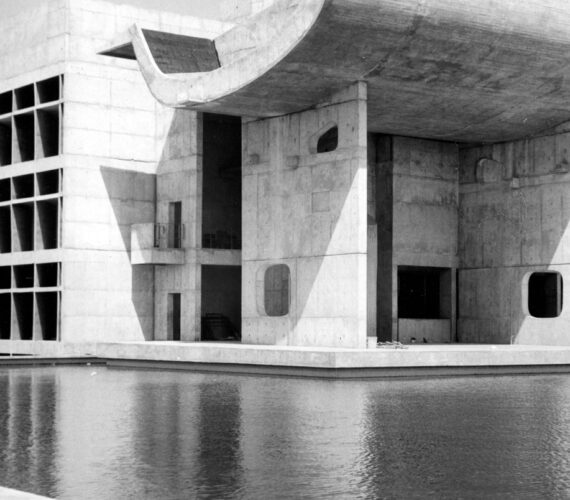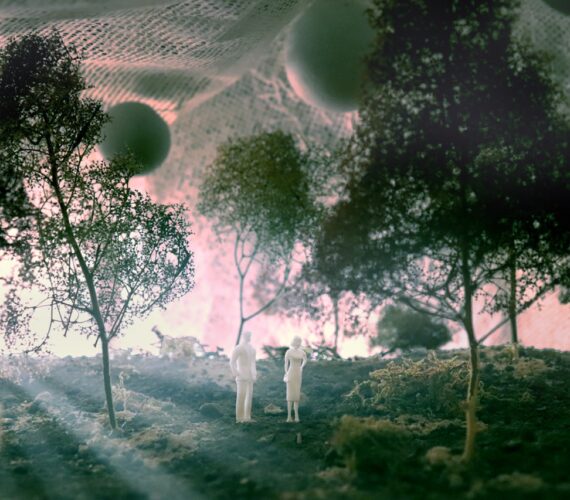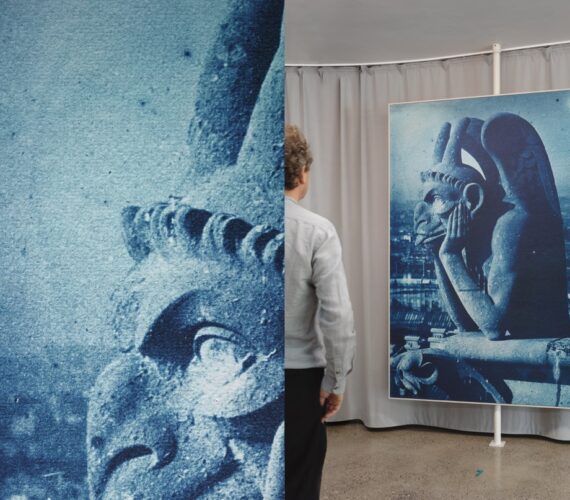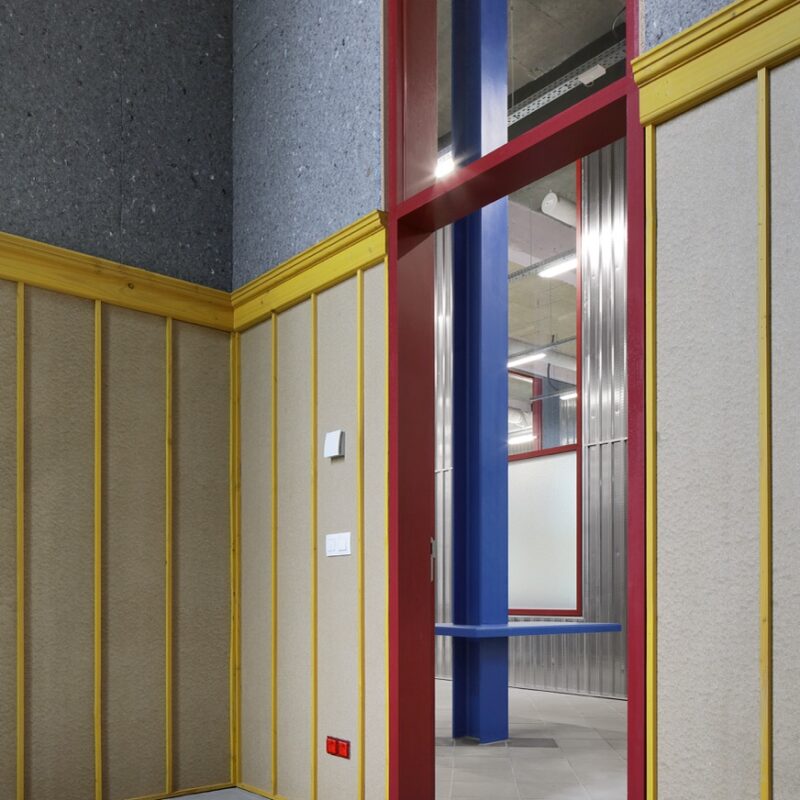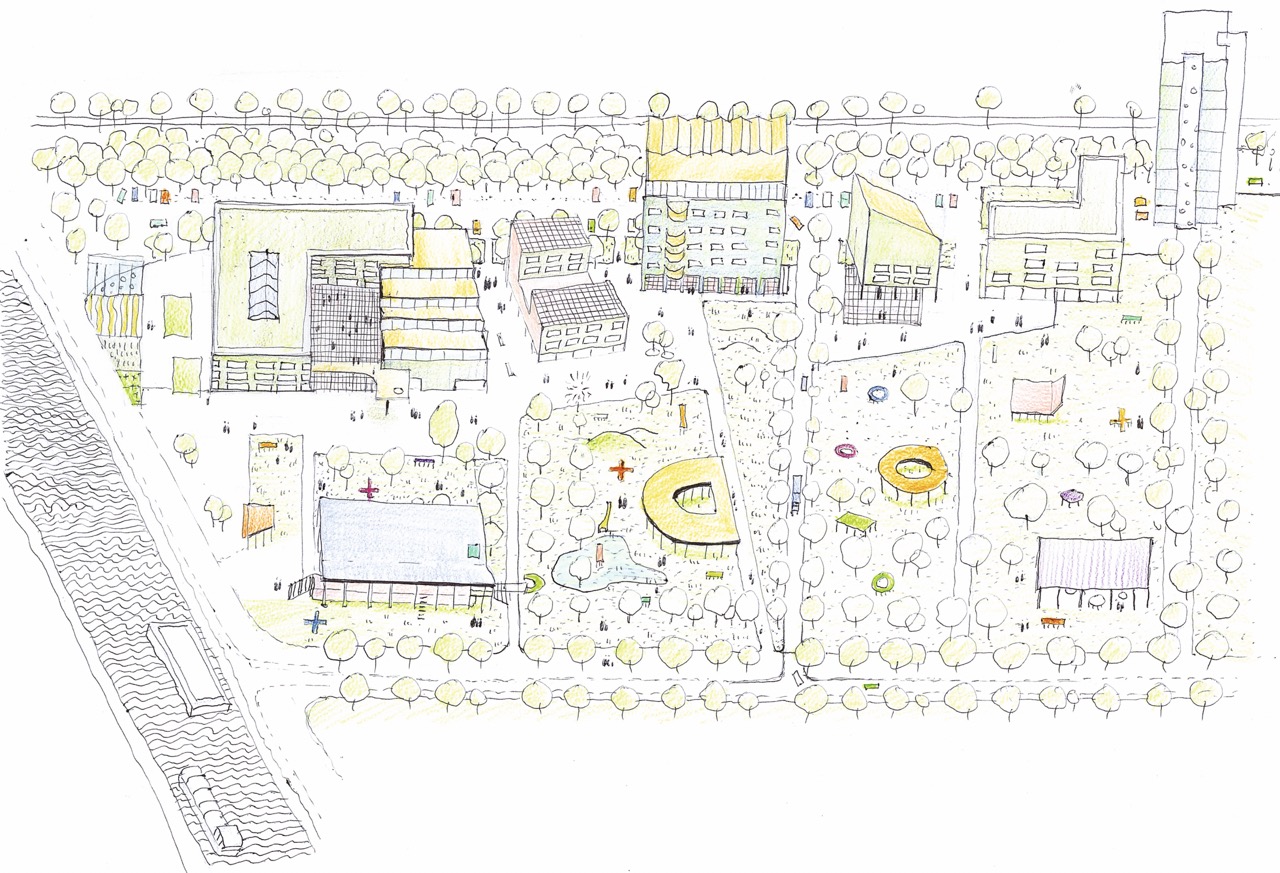
From doodles to Hopper-esque tableaux: architects today give free rein to their imagination to ‘sell’ their designs through creative imagery. Increasingly, it is the power of imagination that defines a firm’s identity, rather than the built project itself. The competitions that the BMA and its team have overseen in recent years offer insight into the nature and role of architectural imagery.
In 1980, architectural historian Heinrich Klotz purchased three drawings by Rem Koolhaas for 10,000 German marks (over 5,000 euros) during the architect’s visit to Frankfurt: The Welfare State Palace, The Hotel Sphinx and a third project. Klotz, founder and first director of the Deutsches Architekturmuseum (DAM), justified his expensive purchase by presenting the drawings as fully-fledged architectural projects: “I am happy to make allowances for the fact that Rem Koolhaas, Peter Cook, and Ron Herron haven’t received any commissions recently, which means they’re not building. As such, the drawings themselves can be seen as their actual work; they prepare them with the greatest care and present them like works of art.”1 1 Die Klotz Tapes. Das Making of Postmoderne / The Klotz Tapes: The Making of Postmodernism, a special issue of ARCH 26 (2014), 93. The tapes were a series of sound recordings that Klotz made himself during his travels.