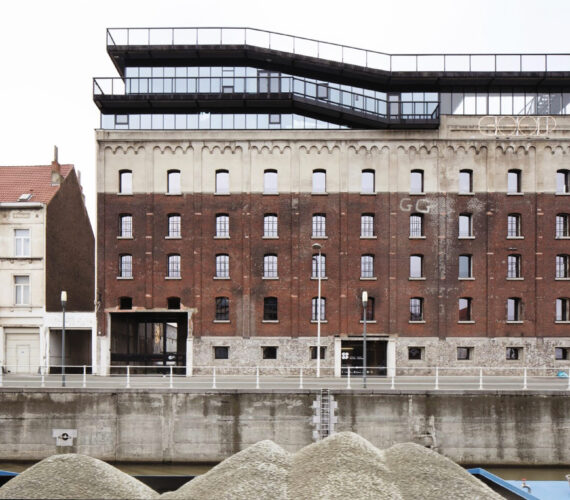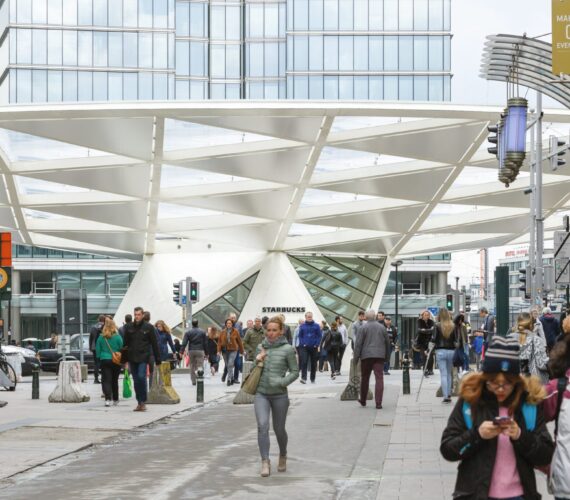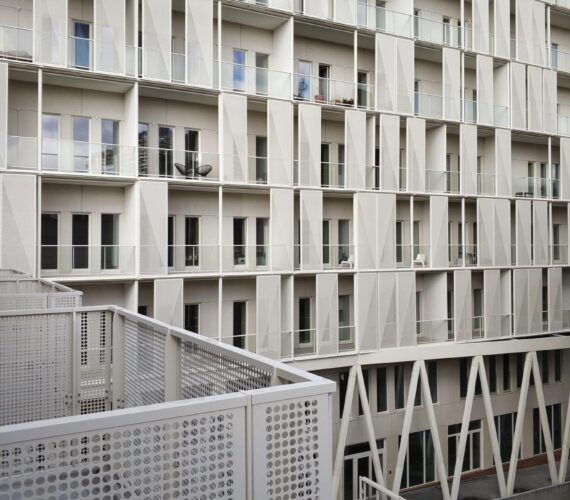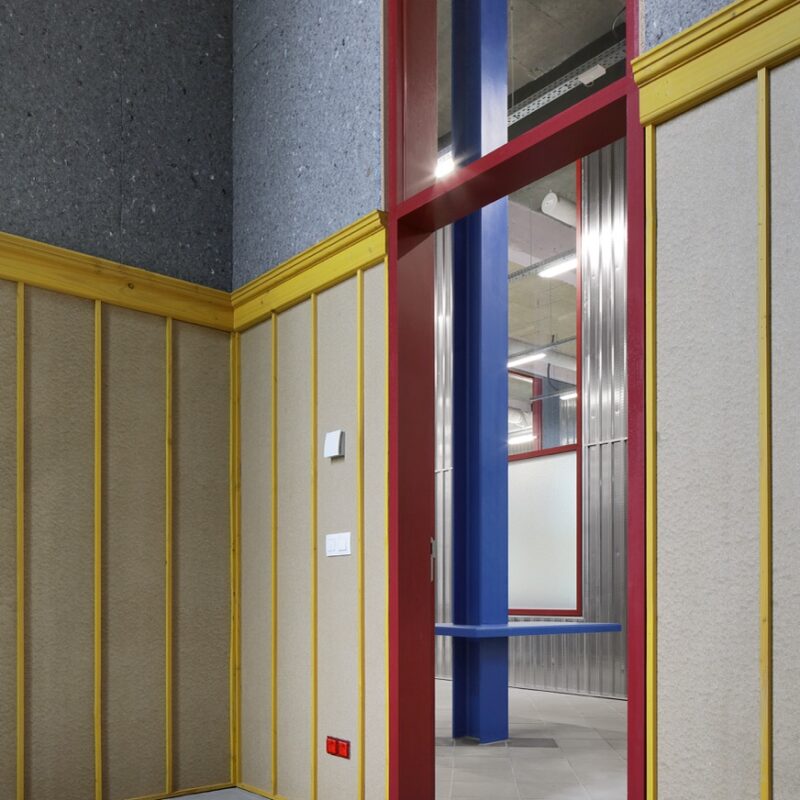
Writing in his Memoirs (published in 1976), the ‘founding father’ Jean Monnet recalls that he used to dream of a separate city that would host all the institutions of the proto-European Union. In the 1960s, ‘the time seemed right’, he wrote, ‘to give the European Community the dimension and status of a genuine capital that would emerge from the ground as Europe was emerging from history, new and all in one piece. Convenient, it would also be a symbol of unity’. Monnet’s wish did not come true. Under pressure from the member states, eager for economic repercussions, existing cities – Brussels, Luxembourg, Strasbourg – welcomed the first institutions of the future Union. In Brussels, Europe took possession of a square in the heart of the city, a stone’s throw from the Royal Park. This is what distinguishes above all the Brussels European Quarter from any other political capital in the world, and what explains in large part why the adventure was so painful.
In Geneva, the UN institutions were built outside the city, in Ariana Park. In Luxembourg, the Court of Justice of the European Union, partly designed by Dominique Perrault, is located on the Kirchberg plateau, far from the centre. In Strasbourg, the European Parliament occupies a spot on the banks of the Ill, at a reasonable distance from the city centre. In Brussels, the unique strategic choice of an international enclave in the city was accompanied by a total lack of coordination. It is an ‘anti-Brasilia’, in the sense that it is impossible to grasp the balance of power between the executive and legislative branches when you examine the plan of the area. This laissez-faire approach comes down to a simple reason, well known to Brussels urban planners: it was not until 1992 and the compromise of the Edinburgh European Council that the member states officially confirmed the location of the seats of the Council and the Commission in Brussels.