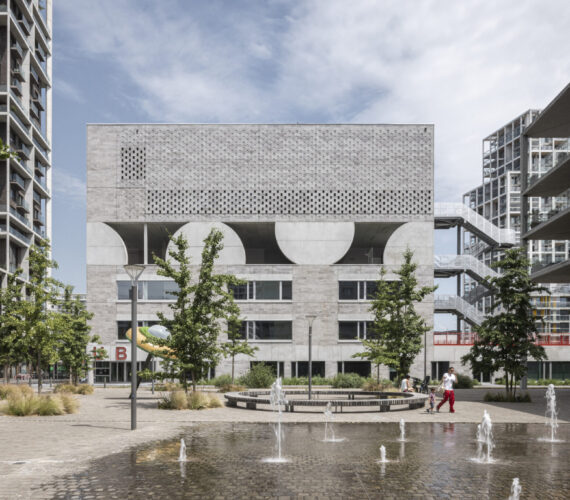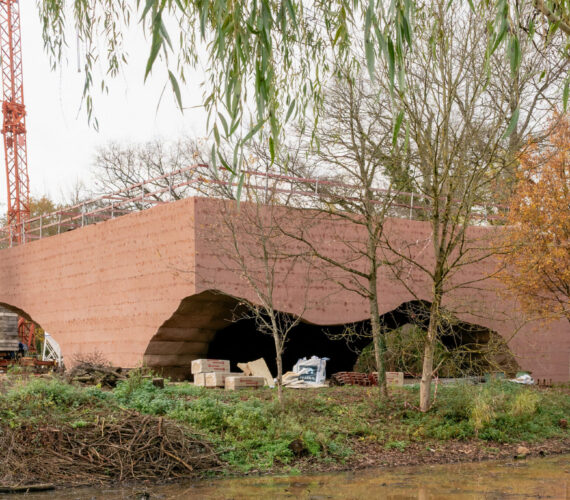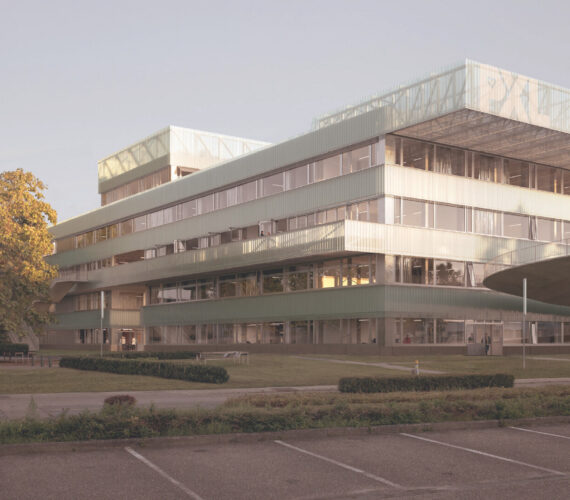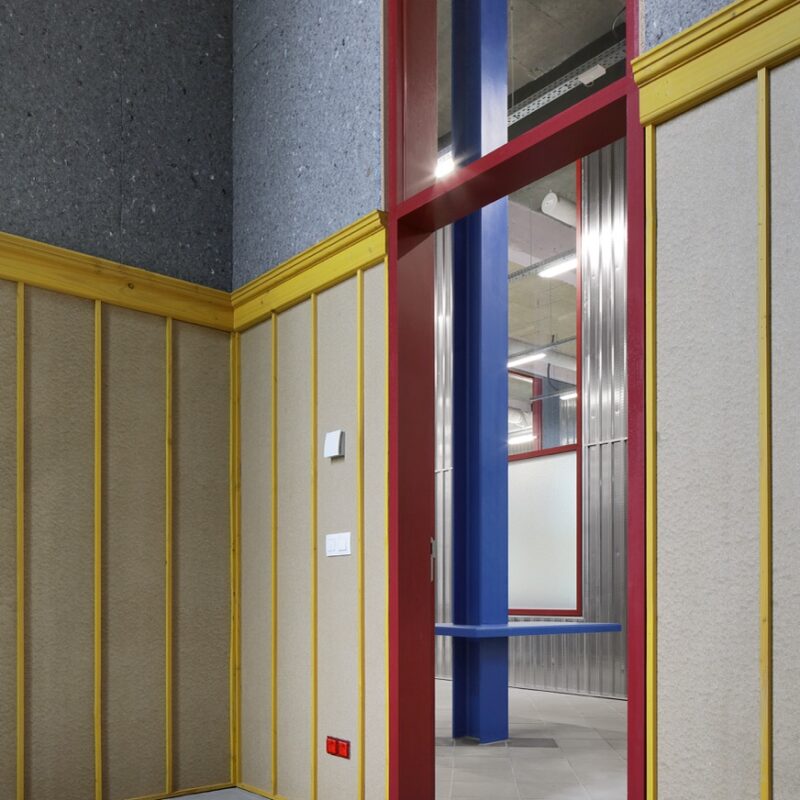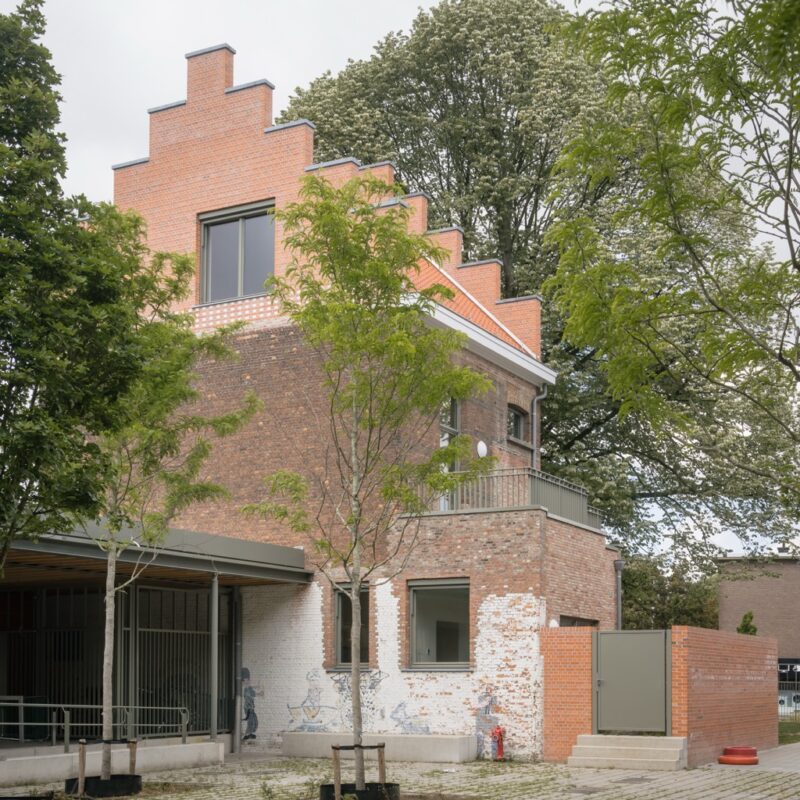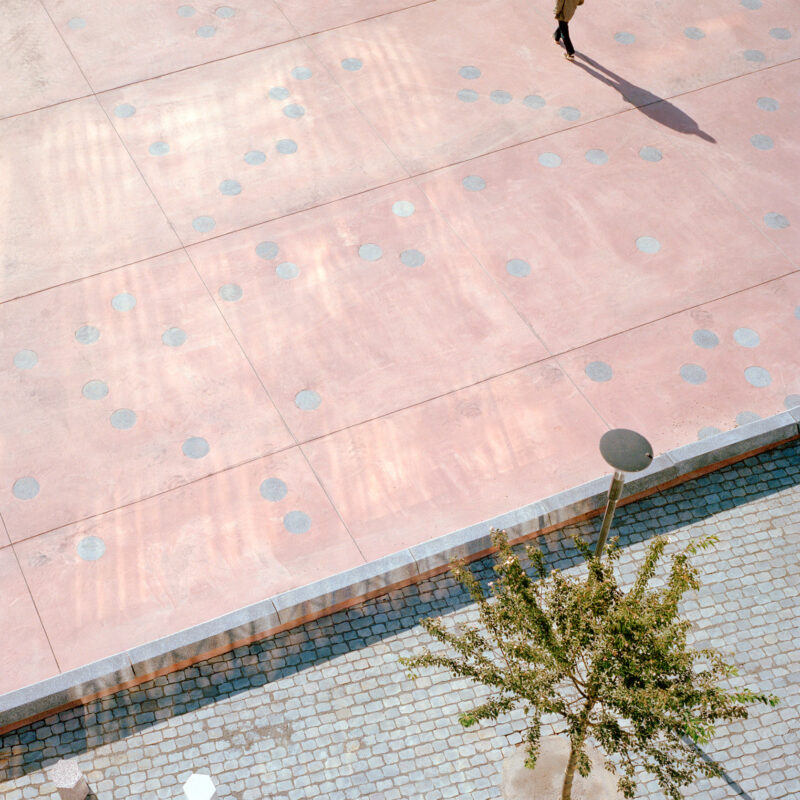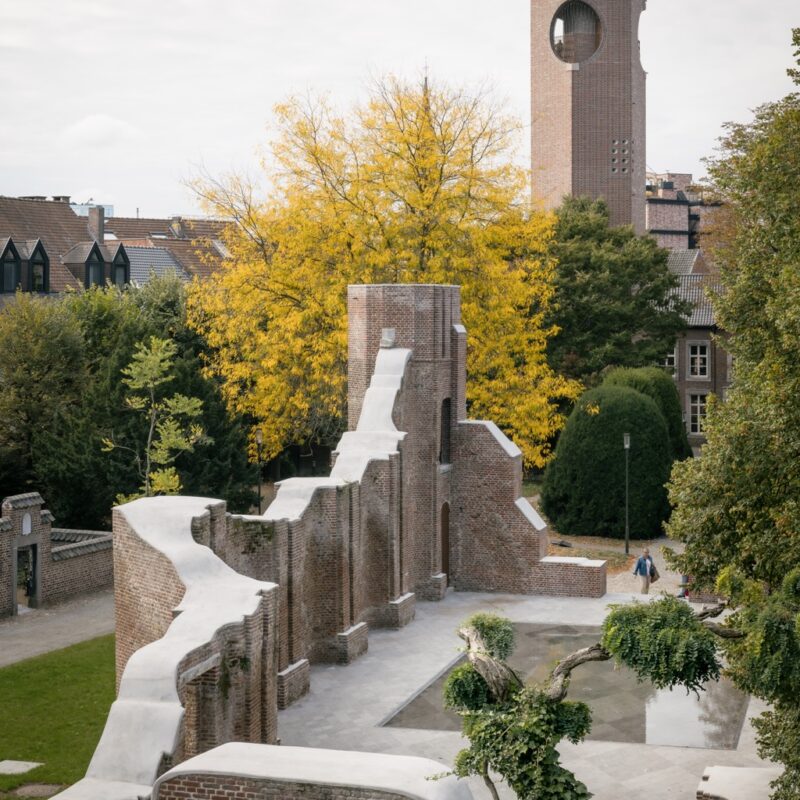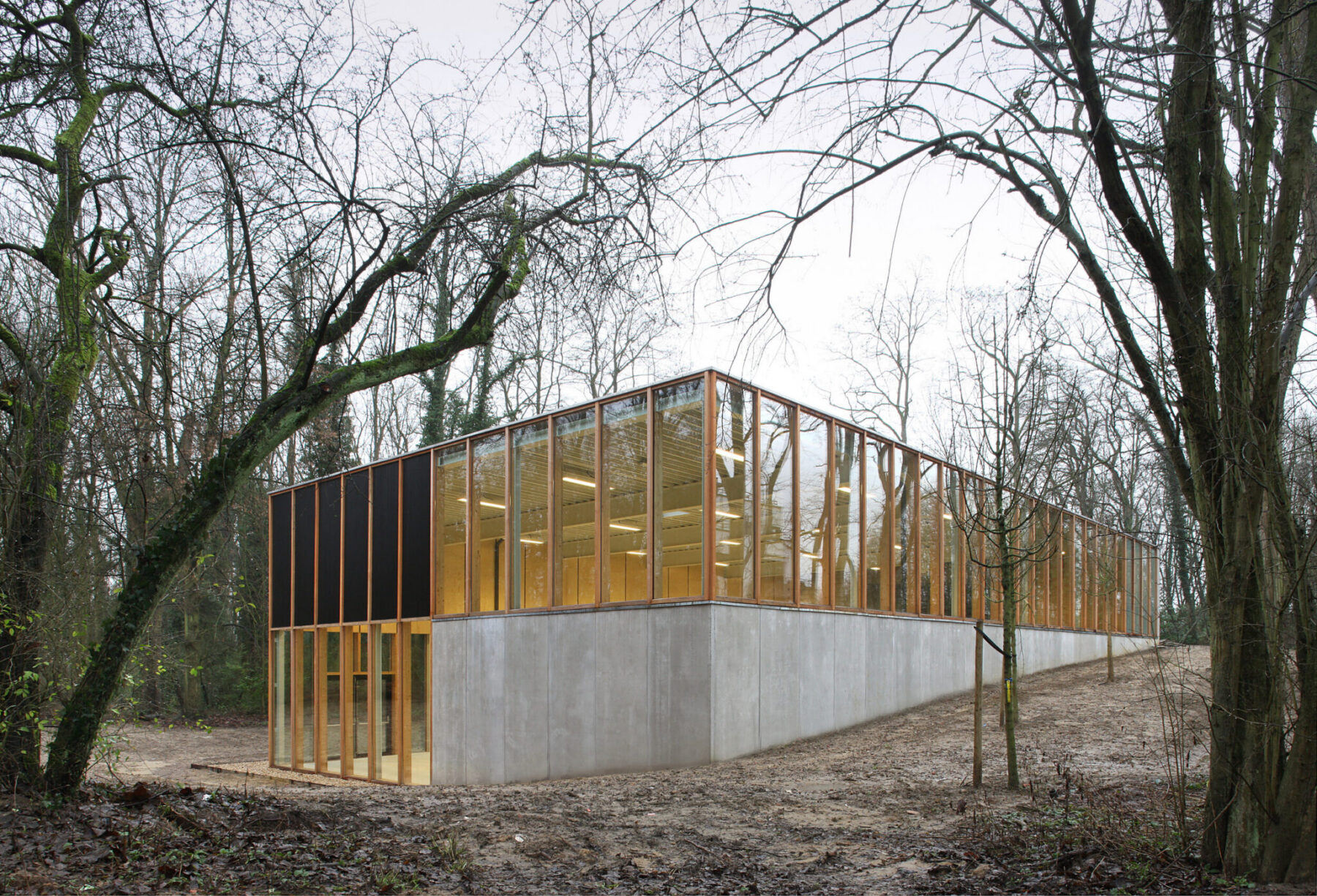
If beauty in architecture is more than a matter of personal taste or superficial preference, a spectrum of possibilities opens up for shaping it. A look at various contemporary architecture projects reveals two distinct paths in this regard. On the one hand, there is a classic conception, in which beauty arises from harmony, rhythm, proportion and composition, anchored in a clear spatial and structural logic. On the other, there is a more fragmentary approach, in which carefully chosen details, interventions or reused elements are spotlighted, thereby creating meaningful moments that heighten the experience of a building. Although both approaches entail risks, they share an important starting point: beauty as a conscious design ambition.
Every architectural design involves a series of aesthetic design decisions. These decisions concern composition, colour, materiality, proportions, which aren’t the result of logical deductions drawn from the nature of the programme, the context, urban planning regulations and technical requirements. Although they may engage in dialogue with these aspects, these decisions are made on the basis of aesthetic judgements and are therefore at least tied to conceptions of beauty. At the same time, many such judgements can be described as expressions of taste: for some time now, architectural projects in Belgium and beyond have been characterized by (steel) structures highlighted in bright colours, accents such as balustrades in bright or pastel colours, and graphic façades. Such decisions seem more like expressions of taste and contemporaneity.
This article appeared in A+319, published on 28.09.2026.