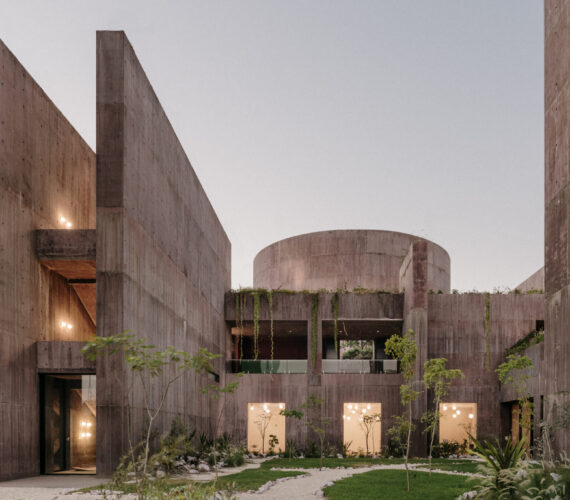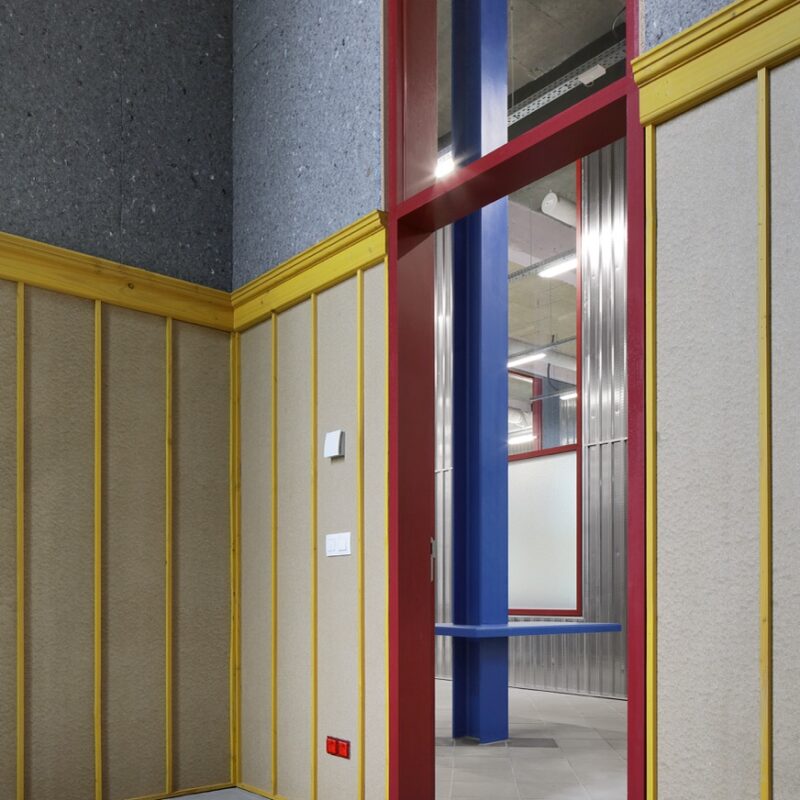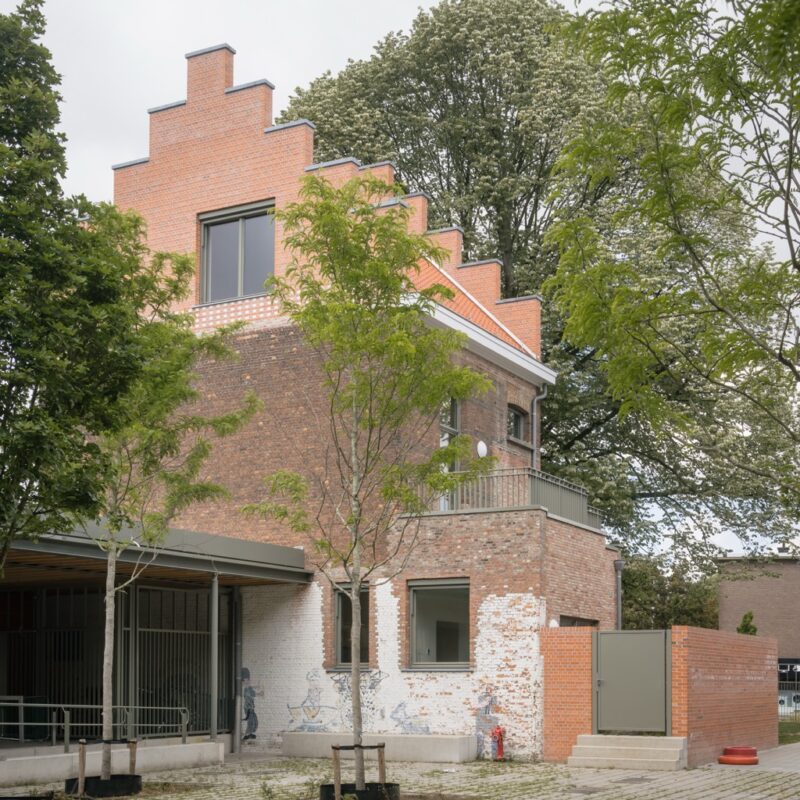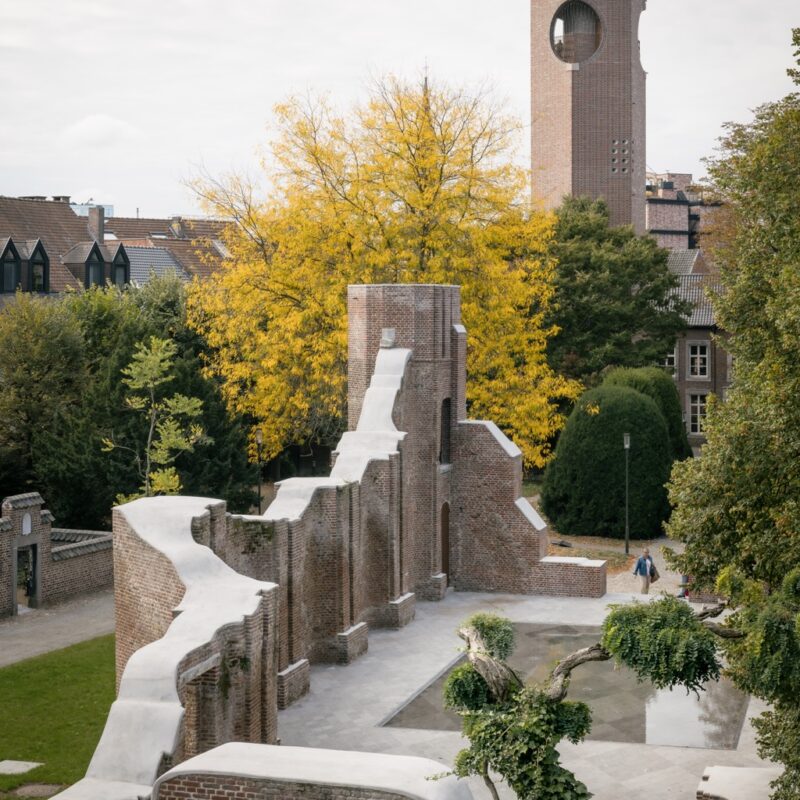
Law is an unlikely discipline to suspect of having anything to say about the beauty of the built environment. Some may find it undesirable that lawmakers have any say in this and would argue that this would best remain the natural domain of architects and their clients according to their personal preferences. In the United States, the Supreme Court declared as early as 1954 in Berman v. Parker that aesthetic values were part of the notion of ‘public welfare’. From then on, it was ‘within the power of the legislature to determine that the community should be beautiful as well as healthy’.1 1 348 U.S. 26 (1954)
Planning law is the most obvious area of the law to search for norms on aesthetics in architecture. In Flanders, the Flemish Code on Spatial Planning (Vlaamse Codex Ruimtelijke Ordening) recognizes that criteria referring to visual and formal elements of the (built) environment are material considerations, meaning that they are relevant in decision-making regarding concrete projects.2 In some cases, planning authorities will even be obliged to carry out an ‘aesthetic’ test when assessing a permit application. Building regulations (stedenbouwkundige verordeningen) and zoning plans (ruimtelijke uitvoeringsplannen) may anchor specific aesthetic requirements, sometimes of a very detailed nature. Often, however, it is the compulsory ‘good spatial planning’ test that ‘activates’ an aesthetic evaluation.3 Advisory bodies may, for instance, signal aesthetic concerns,4 or citizens may do so during the public inquiry. Claimants may also convince judges that a neighbourhood has a particular (aesthetic) identity, which is enough for judges to rule that the planning authority was under an obligation to consider the aesthetics of the proposed project.5 2 See art. 4.3.1., §2, 1° of the Flemish Code on Spatial Planning. 3 Article 4.3.1., §1, 1°, d) obliges planning authorities to refuse a building permit when the construction is irreconcilable with ‘een goede ruimtelijke ordening’, i.e. a compulsory discretionary assessment to be carried out by that planning authority in each individual case. According to article 4.3.1., §2, this test includes, among other things, criteria related to visual and formal elements ‘as far as necessary or relevant’. 4 See e.g. Bram De Smet, ‘De goede ruimtelijke ordening als criterium bij stedenbouwkundige vergunningen’, Tijdschrift voor Omgevingsrecht en Omgevingsbeleid 2, no. 1 (2013): 40. 5 RvVb 5 August 2014, no. A/2014/0530.
This article appeared in A+319, published on 28.09.2026.