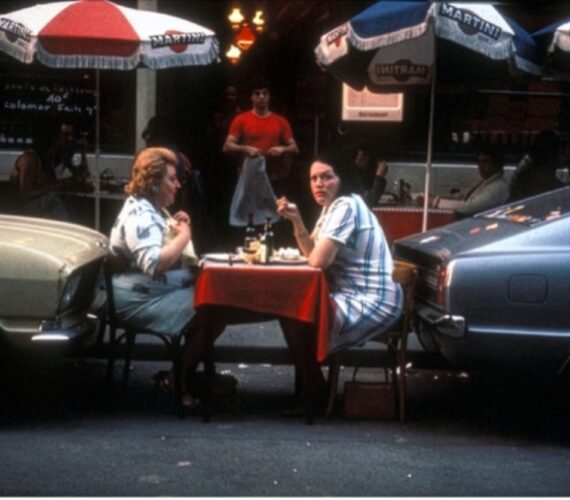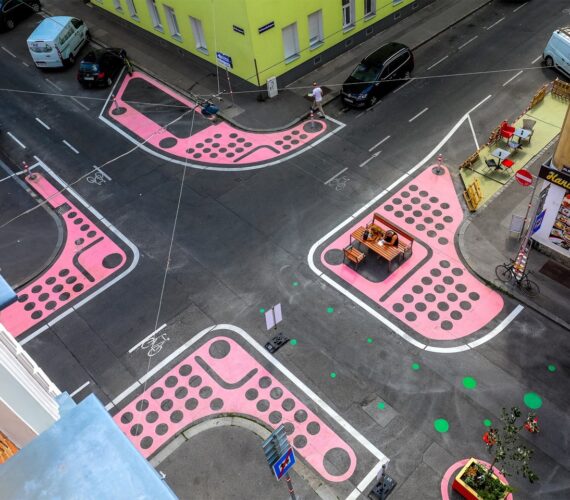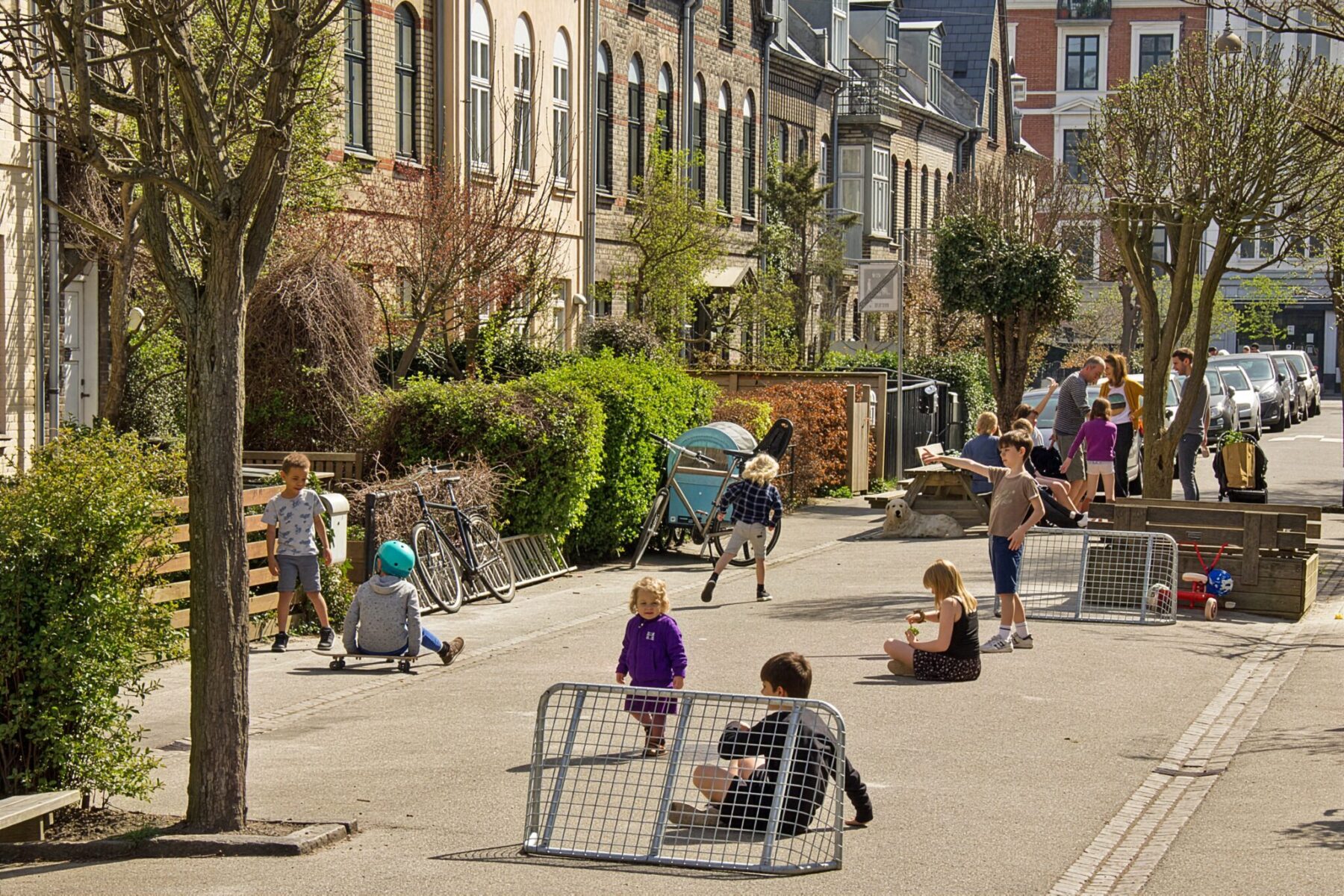
When Jef Cornelis and Geert Bekaert denounced the disappearance of the street as a living space in their early 1970s documentary De Straat (The street), they were targeting not only the rise in car traffic, but also the design and management culture that reduced the street to a traffic machine: a channel for movement, disconnected from living, social interaction and spatial quality. Whether high-quality streets with neighbours chatting and children playing – such as those still found in Italian villages – could really be designed wasn’t a self-evident question for them.
Their criticism didn’t come out of nowhere. In the 1950s and 1960s already, members of Team X – including Alison and Peter Smithson, Aldo van Eyck and Herman Hertzberger – had fought against the loss of the street as a social space. In their view, the car and the detached arrangement of dwellings in relation to both each other and the public space undermined day-to-day contact. In contrast, they advocated an intermediate architectural scale: housing clustered around inhabitable street spaces, so that encounters and informal solidarity need not be left to chance.