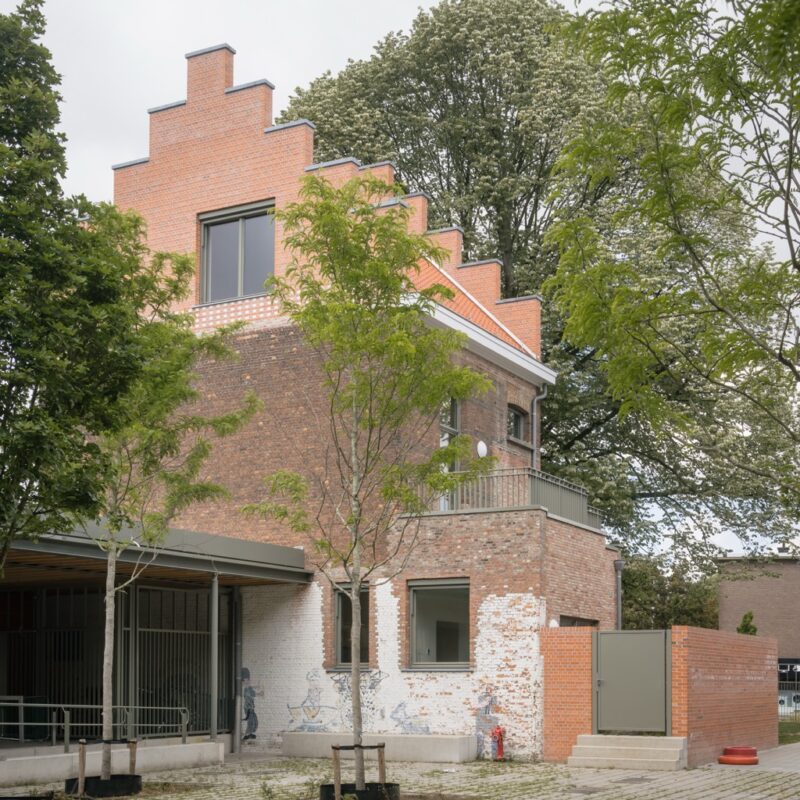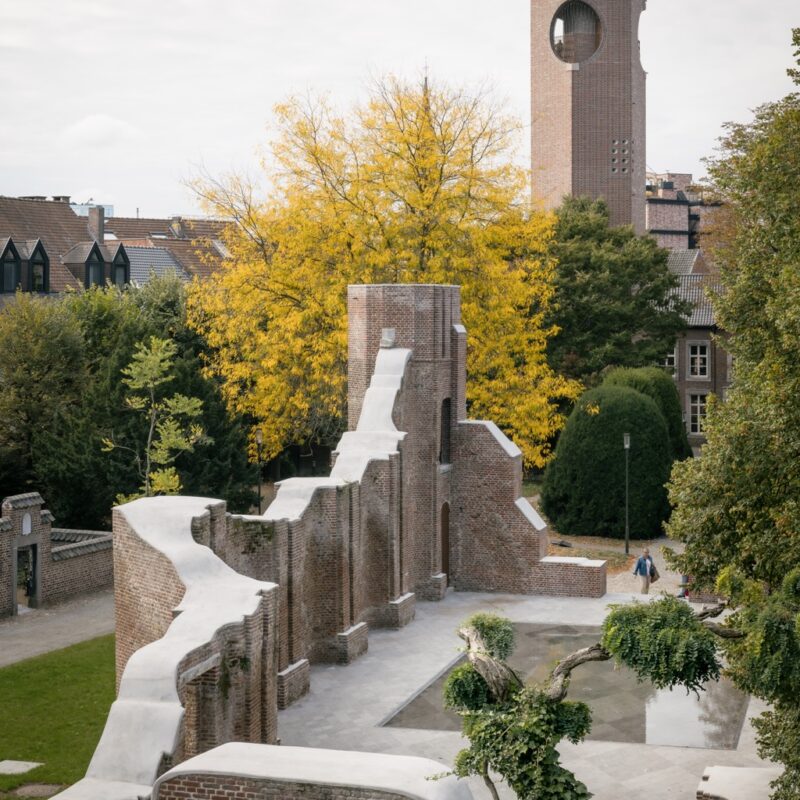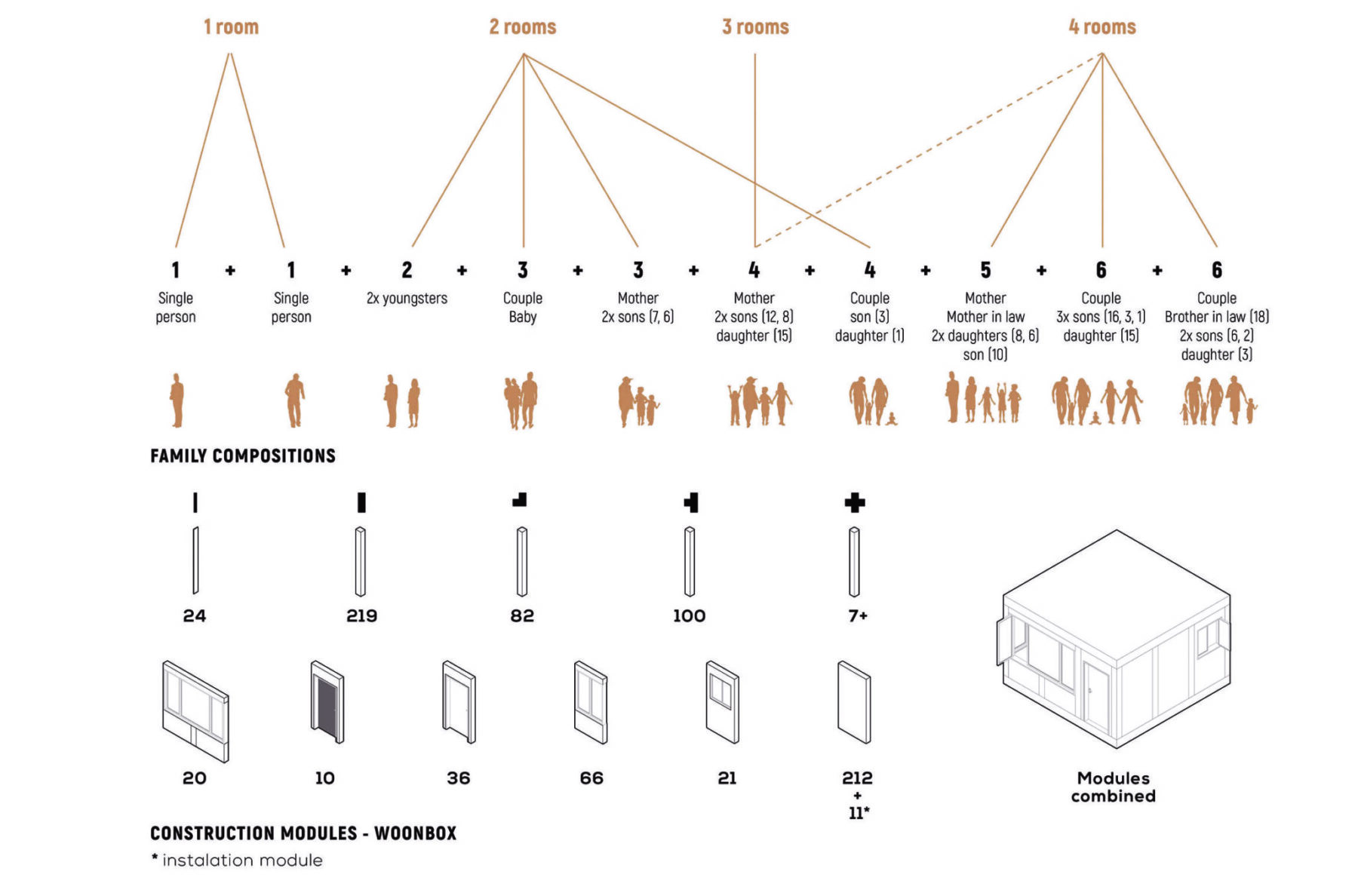
Like other metropolitan areas, the Brussels Region is facing a housing crisis. Due to the long waiting lists for social housing, many vulnerable people end up in the lowest tier of the private rental sector. There, they face major problems such as high rents, rising energy costs, substandard housing quality and insecure tenancy agreements. In response, various experiments with alternative housing models have emerged. Examples include the WoonBox and Solidair Mobiel Wonen, in which the authors of this article are closely involved as architects, researchers and co-creators.
According to La Strada, the Brussels Homeless Support Centre, the number of people in precarious housing situations has more than doubled over the past ten years. In response to the housing crisis, the regional and local authorities in Brussels have been undertaking various initiatives since the early 2000s, such as the Regional Housing Plan (GHP)1, the Housing Alliance Programme (AW)2 or the City of Brussels’ Housing Plans. In addition, the Region is also committed to recognising and supporting third-party initiatives that contribute to increasing access to the housing market – such as the Social Rental Agencies or CLT Brussels. These are all steps in the right direction, yet in practice, increasing the number of high-quality, affordable homes is proving very difficult, and housing policy over the last twenty years has not (yet) been able to fundamentally reverse inequality 3. 1 Regional plan aimed at the creation of 5,000 new public rental homes (3,500 social housing units and 1,500 middle-class homes) 2 A regional plan aimed at creating 6,720 new social and middle-class homes, for both rental and sale 3 To illustrate: after 15 years, the GHP had achieved only 56.5% of its target, and after five years, the AW has reached just 24%