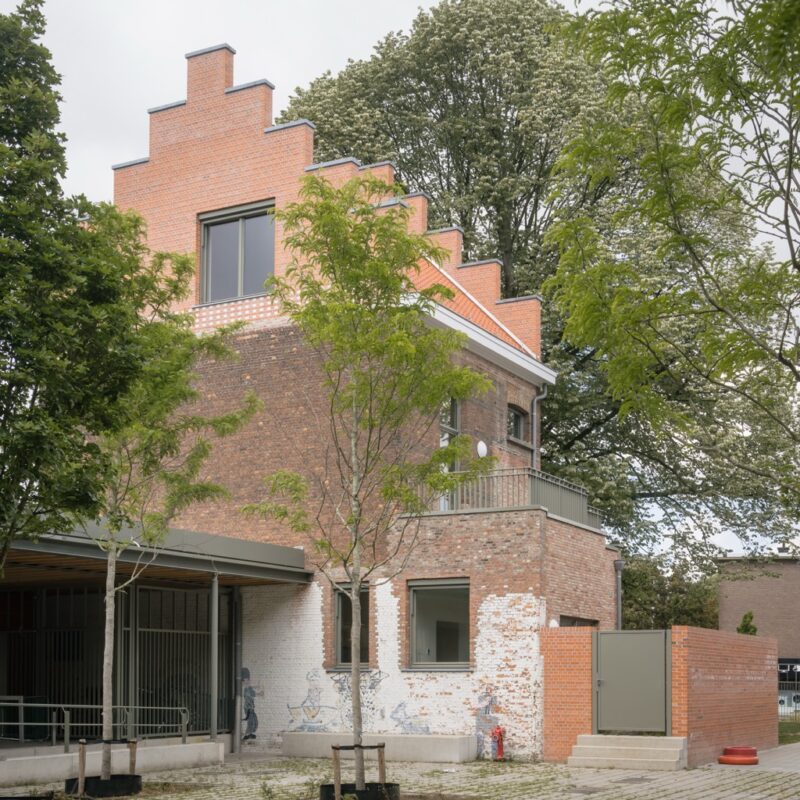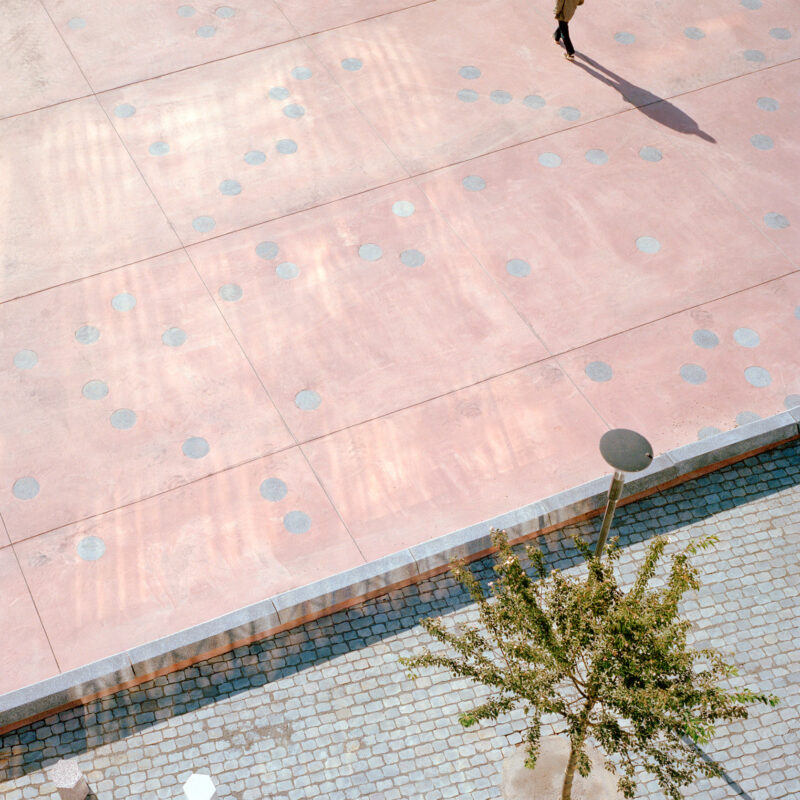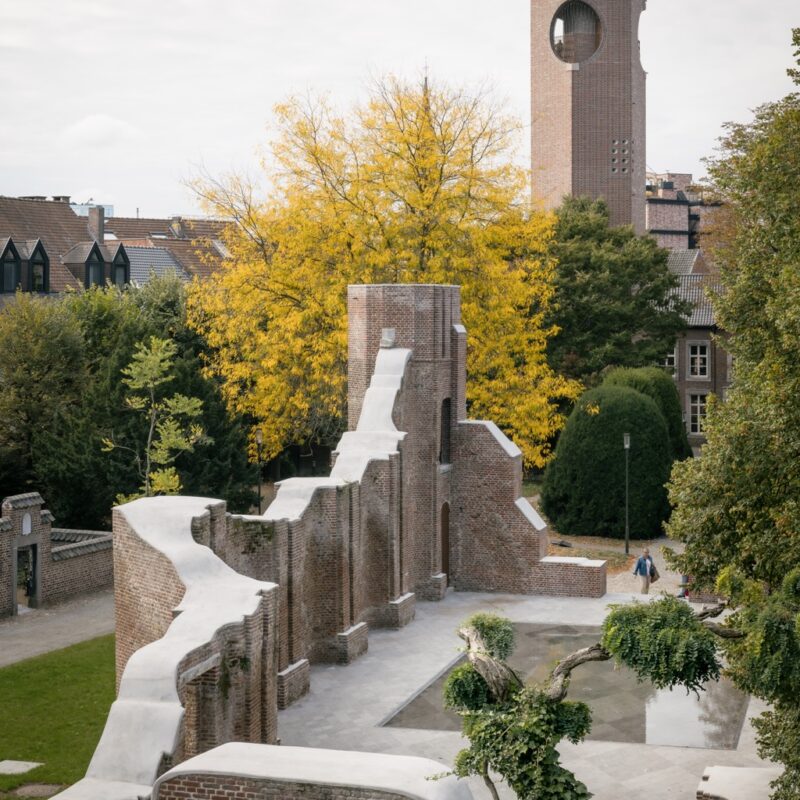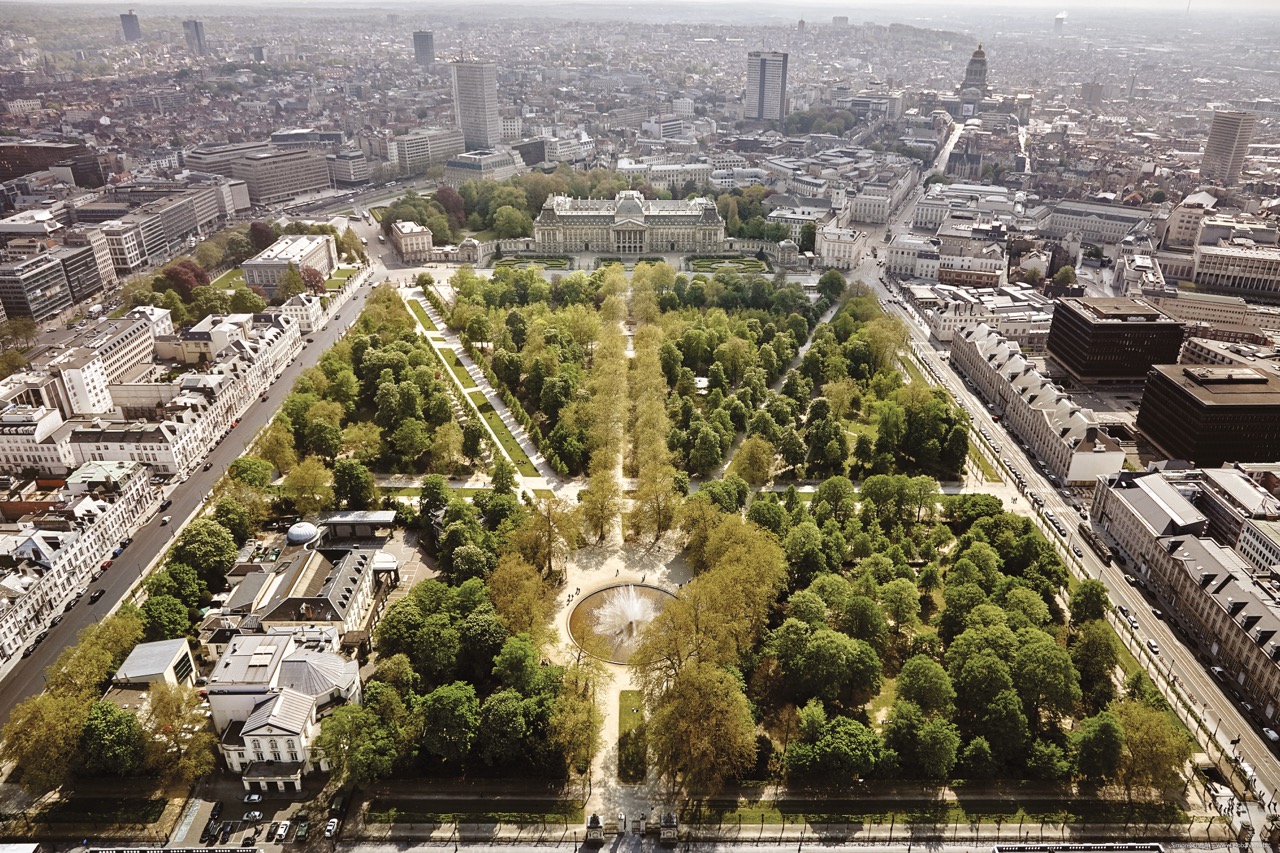
Since the emergence of modern urban policy in the 19th century, urban green spaces have reflected the changes and conflicts within society. The exhibition ‘Designed Landscapes, 1775–2020’ (CIVA, Brussels) focuses on the past and present of the Brussels landscape. The 21st century presents new challenges and opportunities for urban green spaces.
“There is no doubt that there is a considerable resurgence of interest in gardens in our country.”1 Landscape architect Louis Van der Swaelmen wrote in 1913 that Belgian cities were adopting a new attitude towards urban green spaces at the start of the 20th century. In his view, this was a necessity: “It is only on the continent, and chiefly in Belgium, that one sees the trees along promenades and in pleasure woodlands being maimed, lopped, cut down and destroyed; an absurd and ignorant practice.”2 Leading figures from various professional backgrounds campaigned for the preservation of green spaces in and around cities. They emphasised the importance of a healthy living environment for city dwellers and saw urban greenery as a means of enhancing cities’ international prestige. 1 Van der Swaelmen, ‘L’oeuvre de nouveau jardin pittoresque et l’art des jardins dans les villes’, First International Congress and Comparative Exhibition of Cities, p. 229. 2 , ibid., p. 232.
This article appeared in A+275, published on 25.12.2018.