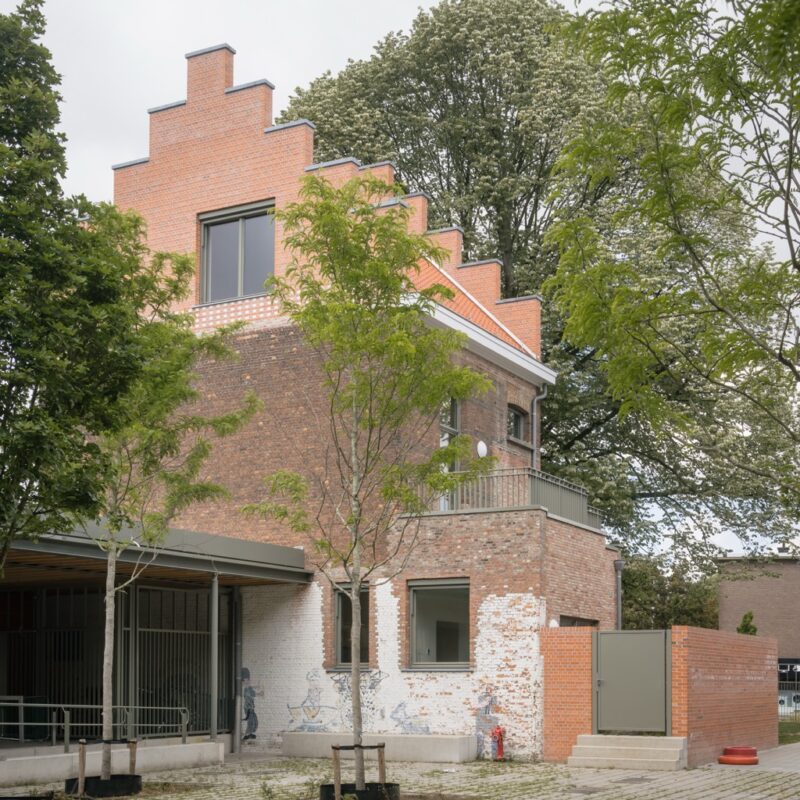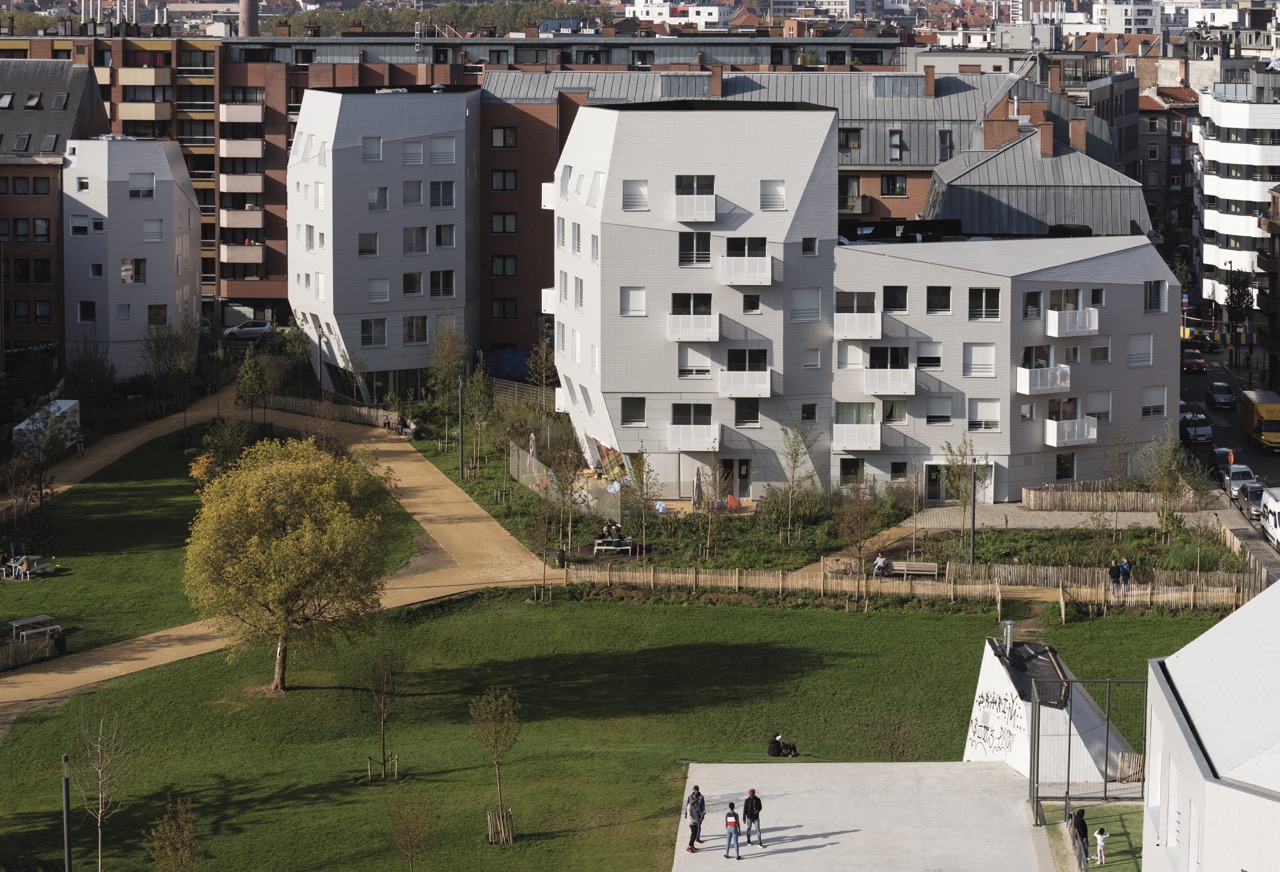
In Brussels, the project by B612 and OLM Paysagistes aims to revitalise the urban character of the Fontainas block through landscape design based on ecological principles and measured densification. In this participatory project, the mix of uses serves as the foundation for a genuine social dynamic within the neighbourhood.
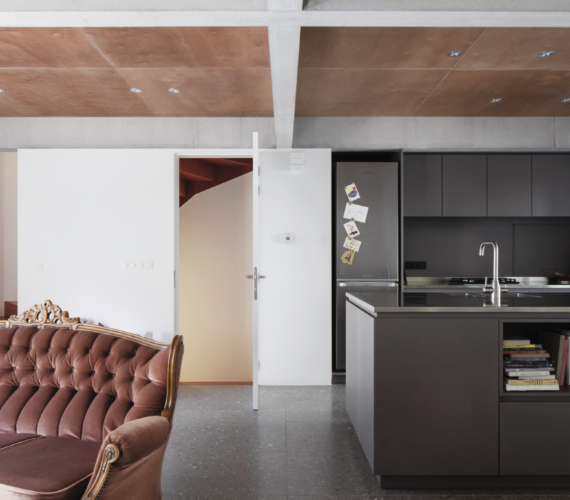
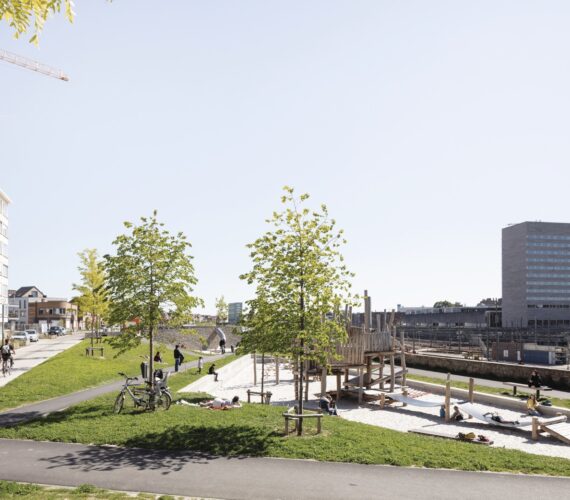
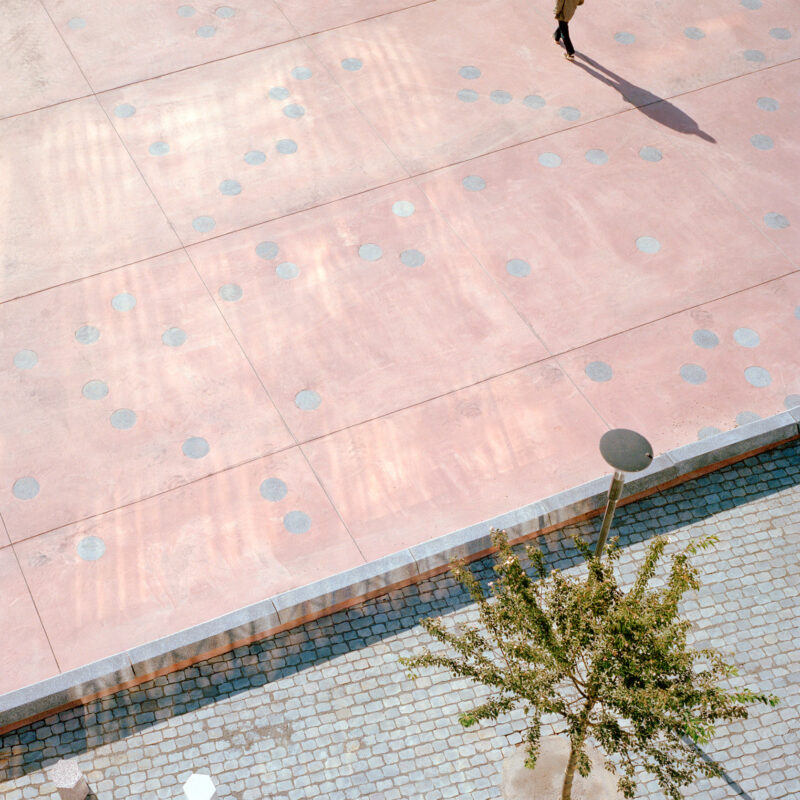
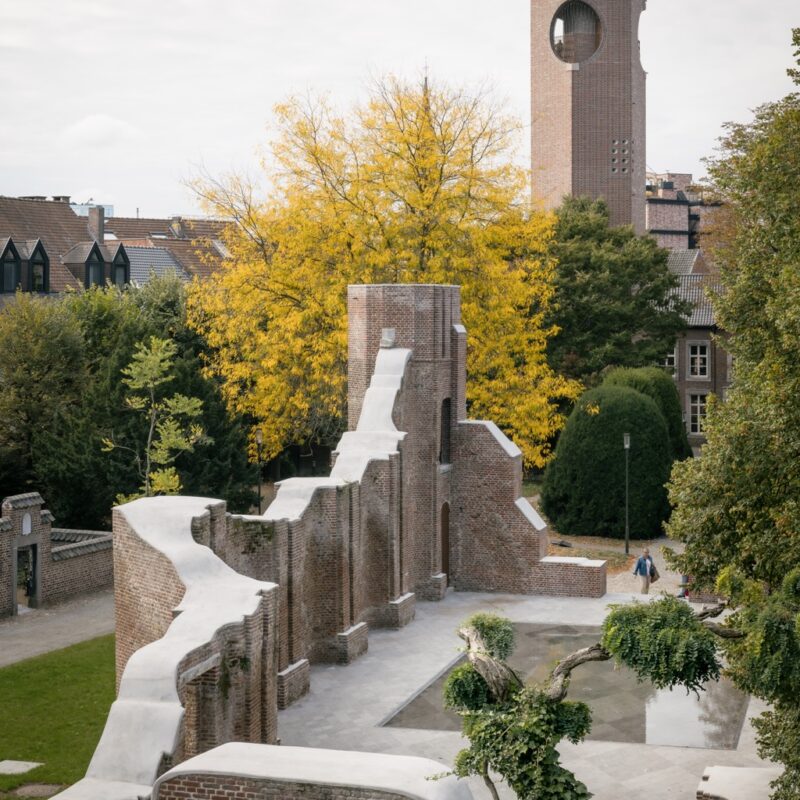
To the north of Place Anneessens, between Rue Van Artevelde, Rue des Six-Jetons and Rue d’Anderlecht, the Fontainas block – a major urban hub within Brussels’ Pentagone – forms part of the city centre’s extensive pedestrianisation scheme. A park of little real quality, merely a ‘green space’, had been created in the late 1990s to put an end to the eyesore left by the dismantling of the Philips factories. Whilst this temporary solution had become permanent, the blank facades and breaks in scale accentuated the patchwork appearance of this tattered urban fabric. Conceived nearly thirty years later by Li Mei Tsien and Olivier Mathieu, the reclamation of this wasteland calls for a unique urban response, favouring the preservation of an open morphology over the reconstruction of a conventional block. The porous block is effectively traversed by public space, which re-establishes links with the surrounding neighbourhoods and aims to significantly reduce economic and social disparities. Initiated under the ‘Jardin aux Fleurs’ Sustainable Neighbourhood Contract, the project also provides for the creation of housing for families and students, two early-years childcare facilities, a hospitality area on the edge of the park, a multi-purpose hall, and sports facilities meeting current standards to enable the hosting of national competitions; all of which will help local residents to embrace the site.