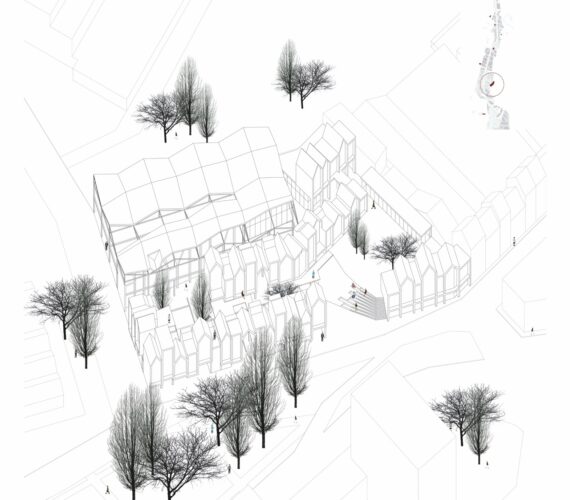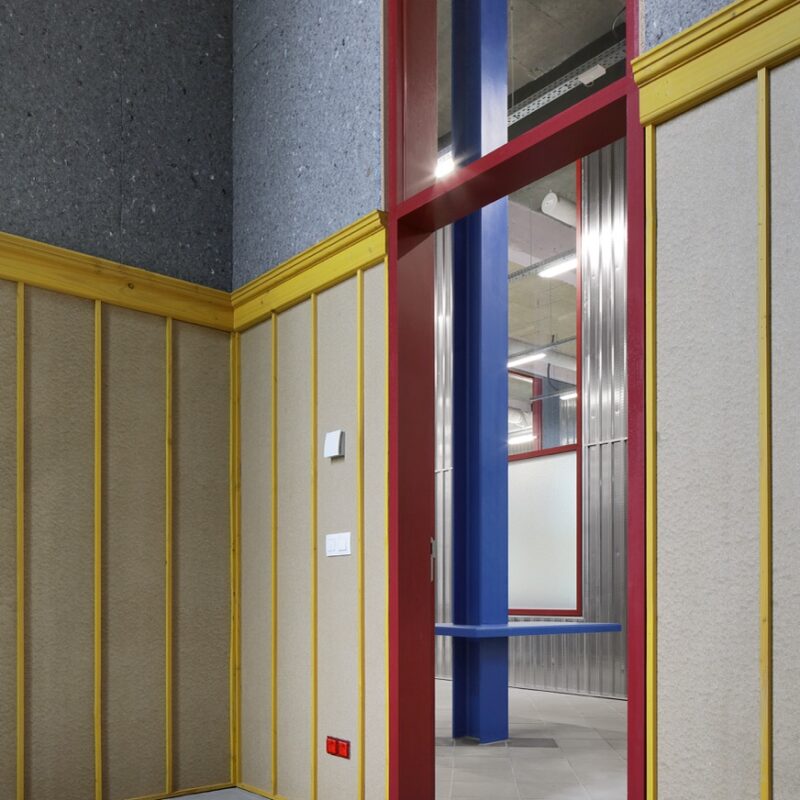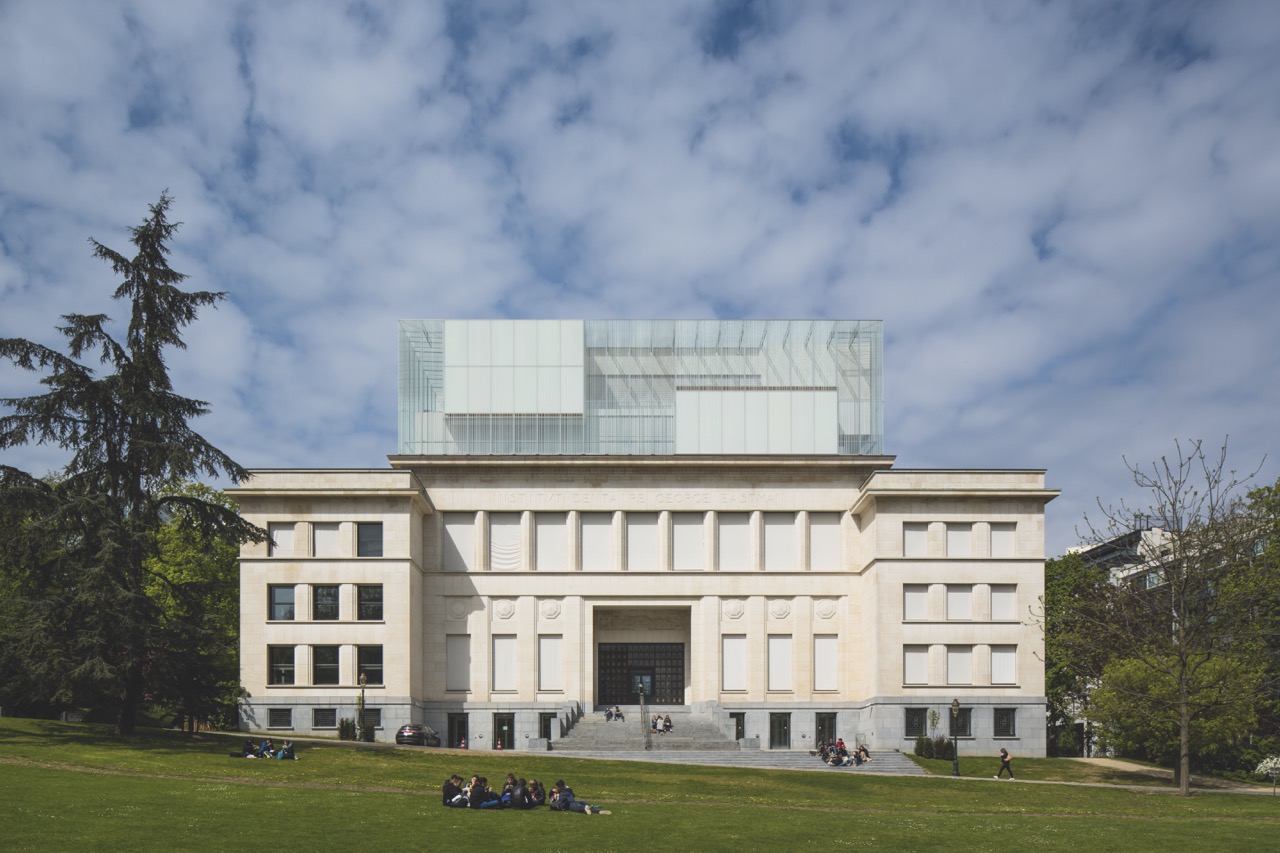
On 6 May 2017, the House of European History opened its doors in Brussels, the seat of the EU. The architectural firm CHAIX ET MOREL renovated a neoclassical building dating from 1935, adding a glass extension and a glass roof, making the whole structure a model of openness. The museum’s curatorial approach, however, is the exact opposite of this.
Now that Europe is in crisis – Brexit, various forms of nationalism… – it is more important than ever that we become aware of our cultural heritage. The idea of a European museum is not new. In the 1990s, the European Commission envisaged a series of European galleries in major museums across the EU. In 1997, the first steps were taken in Brussels towards a private project to be called the Europamuseum. In 2007, Hans-Gert Pöttering launched the ambitious idea of a House of European History in his opening speech as President of the European Parliament. It was to be a shrine to the memory of Europe, a place where citizens would be encouraged to reflect on the historical process and the current significance of the European project, as it had developed in the 19th and 20th centuries through a number of landmark events. It was conceived to complement the Parlamentarium, which opened in 2011, and a guided tour of the hemicycle.