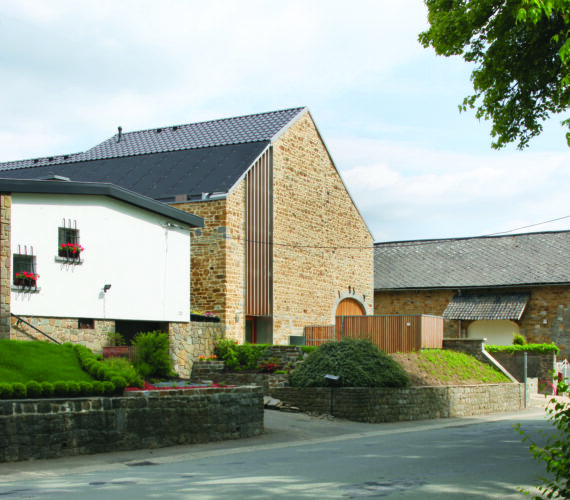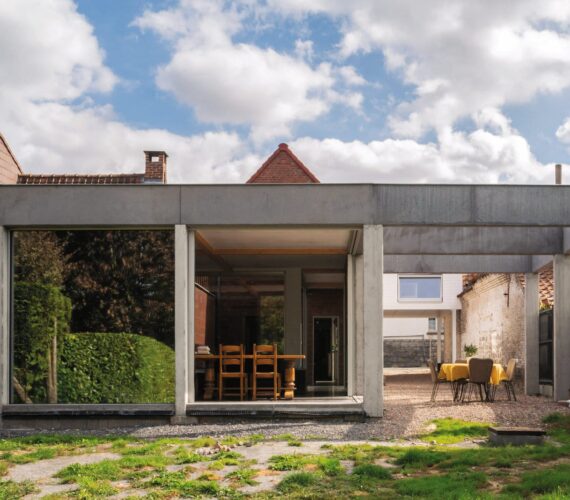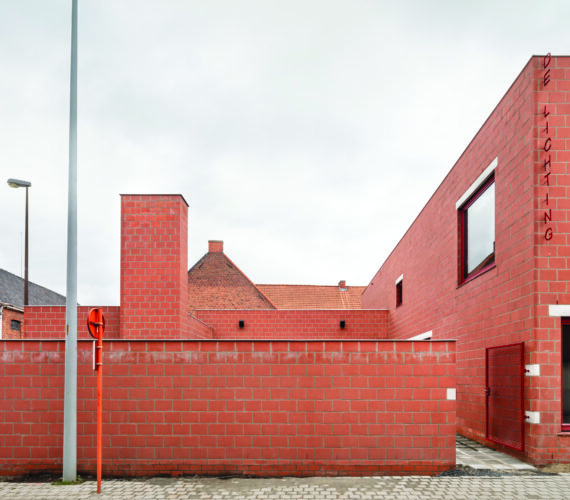
Until the end of the 18th century, more than 95 per cent of the world’s population lived and worked in rural areas. In the space of two centuries, we have evolved into a post-industrial world where more than 60 per cent – and by 2050 more than 80 per cent – of humanity will live in cities.
Overpopulation, agriculture, economic growth and suburbanisation are destroying the landscape and nature. We have lost all meaningful connection with our food production. We produce food mainly mechanically, and large-scale monocultures are not much better for biodiversity than a concrete slab. Agriculture accounts for barely 0.5 per cent of GDP across half of our territory. The countryside is losing all its assets: a meaningful human presence, nature and economic importance. It is being left behind, at the mercy of ribbon development, land parcelling and traffic jams. By limiting the remedy to strengthening town centres and densification, we risk forgetting the future of the countryside. Where is depopulation occurring, where are we going to densify further, and where are we creating nature? We are not living through an era of change but a change of era. And what is the position of our rural villages amidst this turmoil?