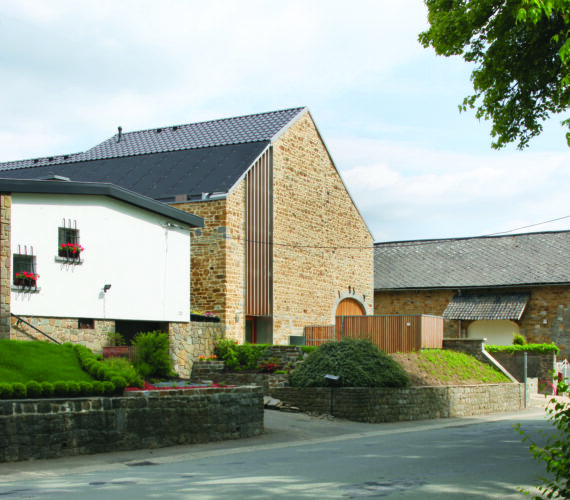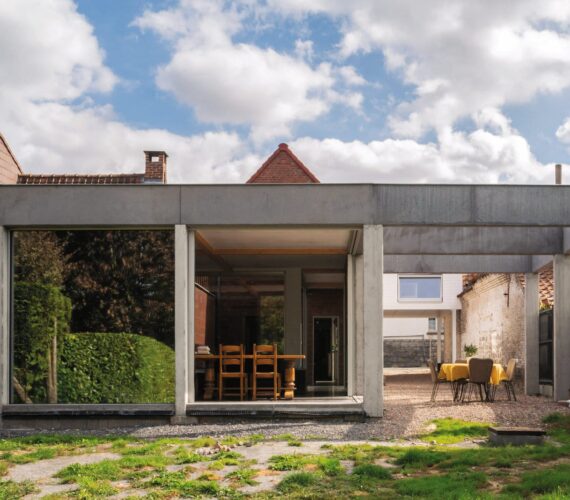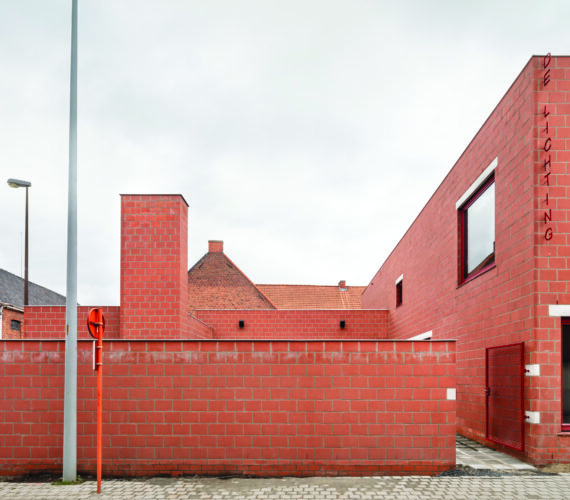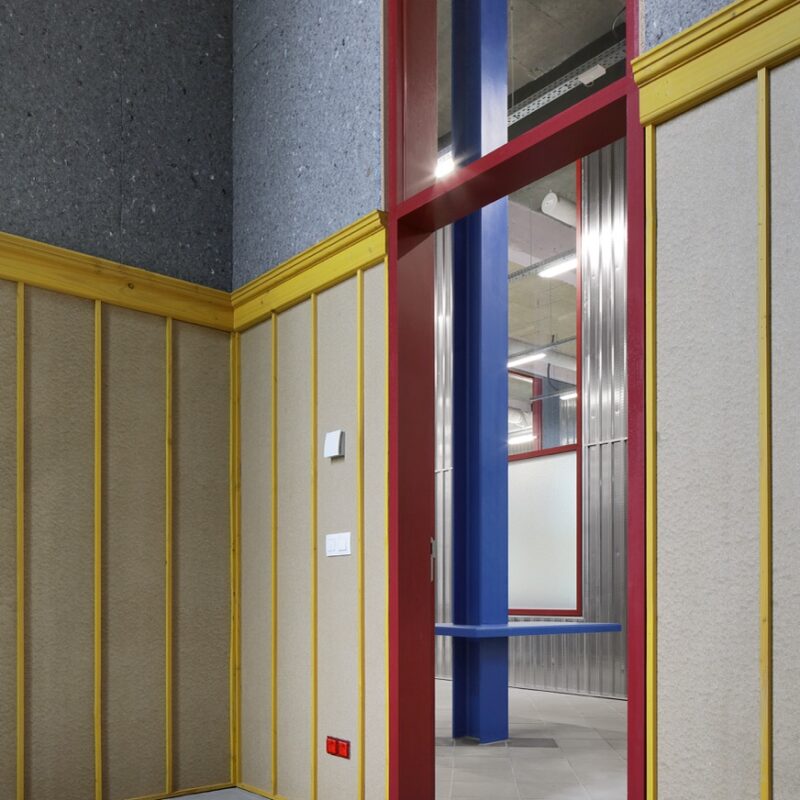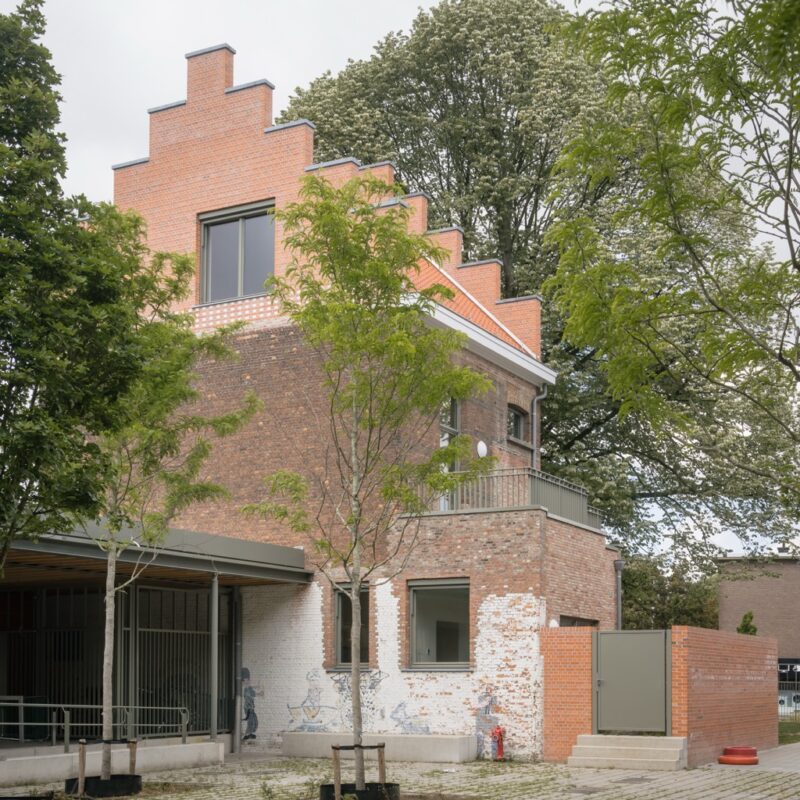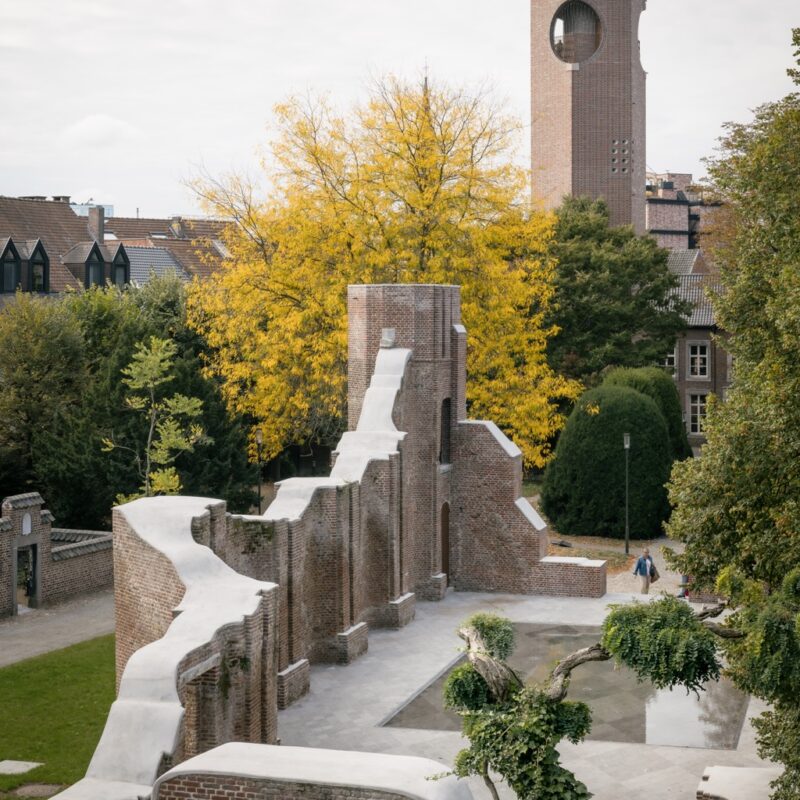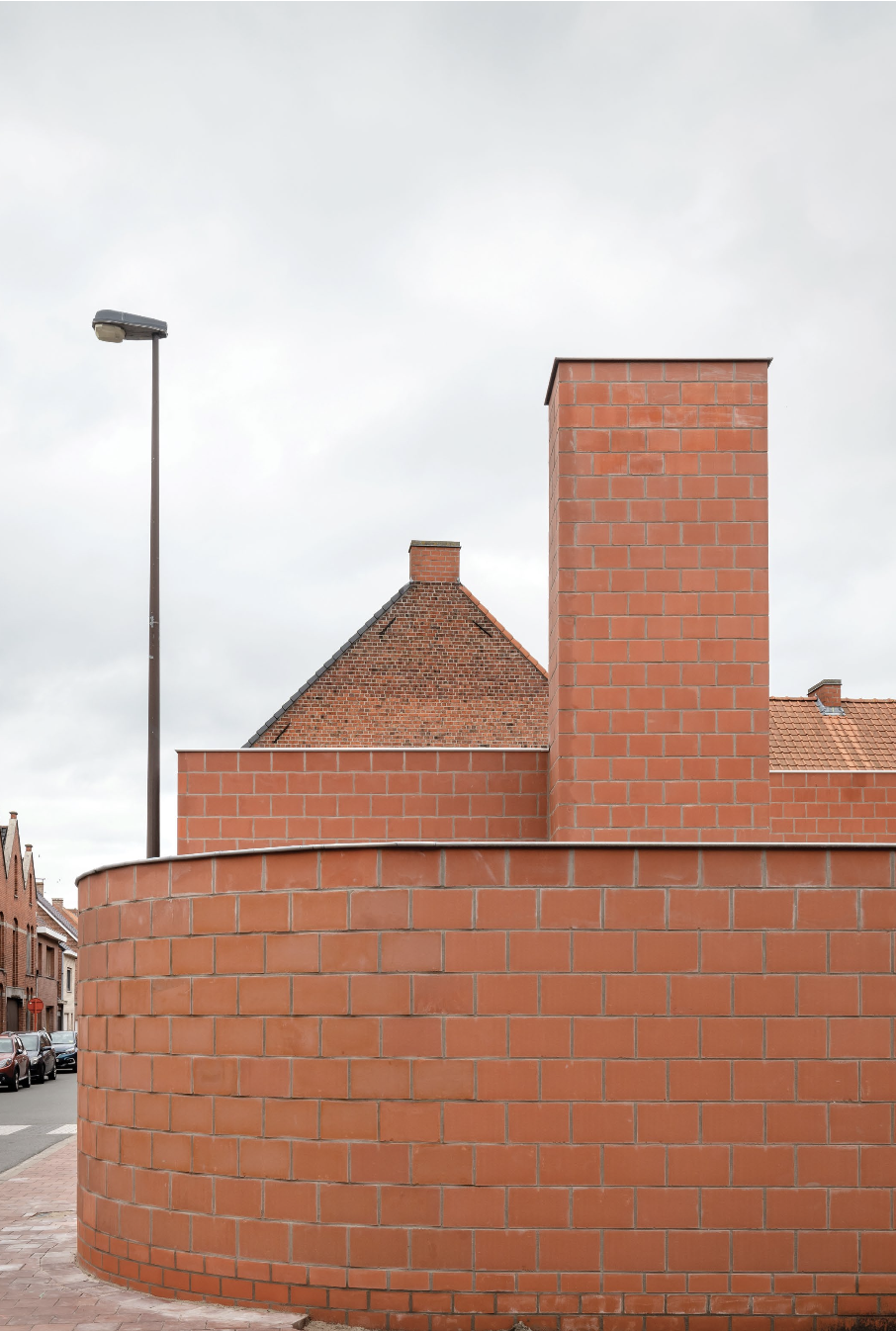
‘We are rapidly ruining our villages,’ ran the headline in De Standaard late last year. Now that the tentacles of ribbon development, land parcelling and out-of-zone housing have slowly encroached upon and suffocated the open space, it is the village centres’ turn to suffer the same fate. Under the guise of densification, iconic buildings in the centre of a village are disappearing, making way for banal flats. The result is the loss of the village’s identity. Although ‘identity’ and ‘village character’ are vague and often misused terms.
What actually is a village? ‘When we speak of villages, we mean the whole spectrum of villages,’ writes Edith Wouters in this issue, following on from the research she is conducting with Ar-tur as part of the Kempenlab Village Architecture project. ‘We are referring to the shrinking hamlet or parish village, the village with hub value and development opportunities, the autonomous, vibrant village with little hub value, as well as the long-urbanised village. It is precisely this contextual sensitivity that is essential. Aligning with the village character, careful integration into the surroundings, recognisability and familiarity prove to be crucial principles for high-quality village architecture.’