Silence is fragile, so the saying goes. The moment you utter its name, it vanishes. The architecture of silence is a contradiction in terms: a robust, immovable structure that is supposed to house the intangible. Yet it exists, this place of silence. Intuitively, it is often associated with religion: a place to retreat to and pray or reflect in silence. Yet traditionally, a church was a lively house full of noise. It is only since the advancing secularisation of our Western society and the accompanying exodus from the churches that we have had to do without the thunderous sermons, resounding organs, boys’ choirs, jubilant singing and praying crowds.
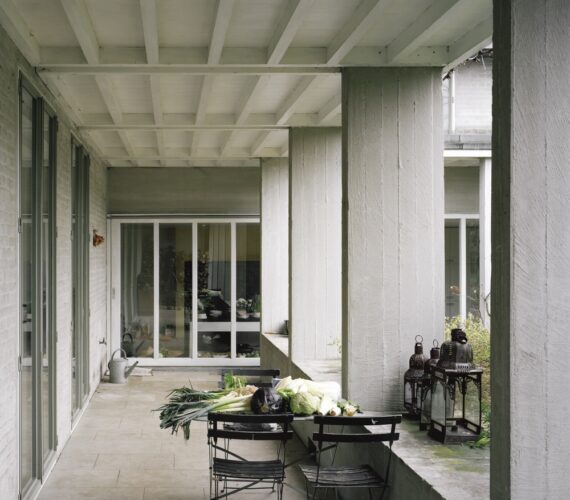
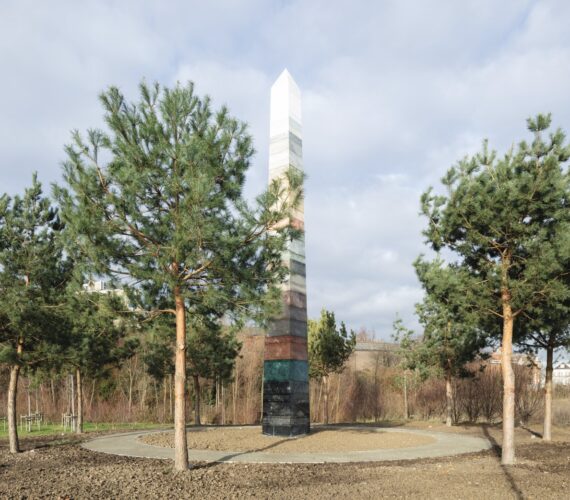
Silence in architecture, however, is more than the absence of noise. It is embedded in a building’s architectural language, in the way the architectural vocabulary is employed, in the delicate balance between spatial proportions, the use of materials and the incidence of light. Some programmes therefore seem to lend themselves more readily to a specific architectural language. Sacred architecture, memorial sites, crematoria and cemeteries are all places that offer people a sense of security at a profound moment in their lives. Moments when we are conscious of the transience and fragility of life, of the relationship between time and history.