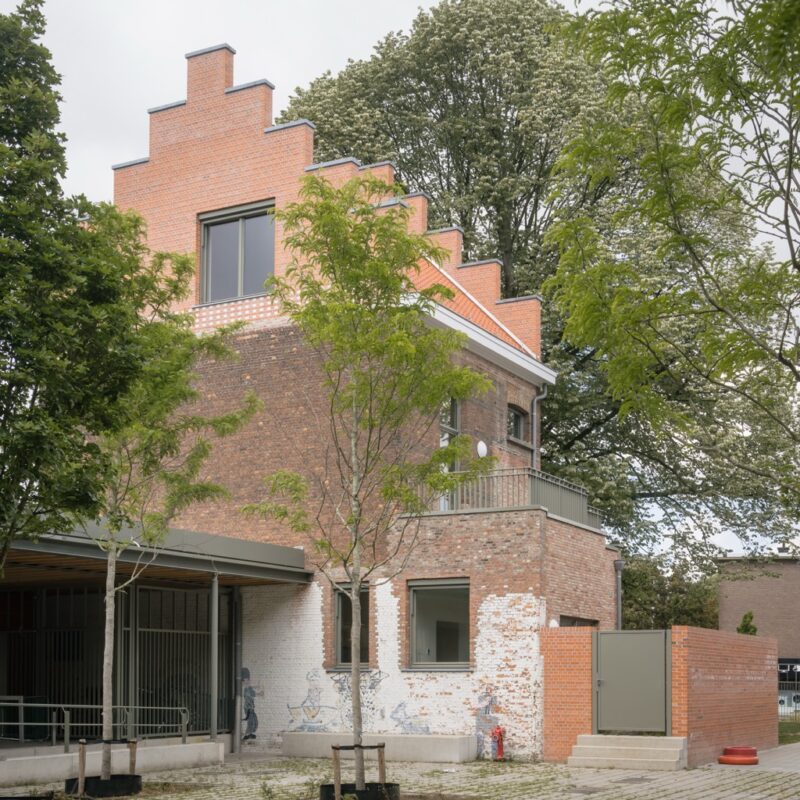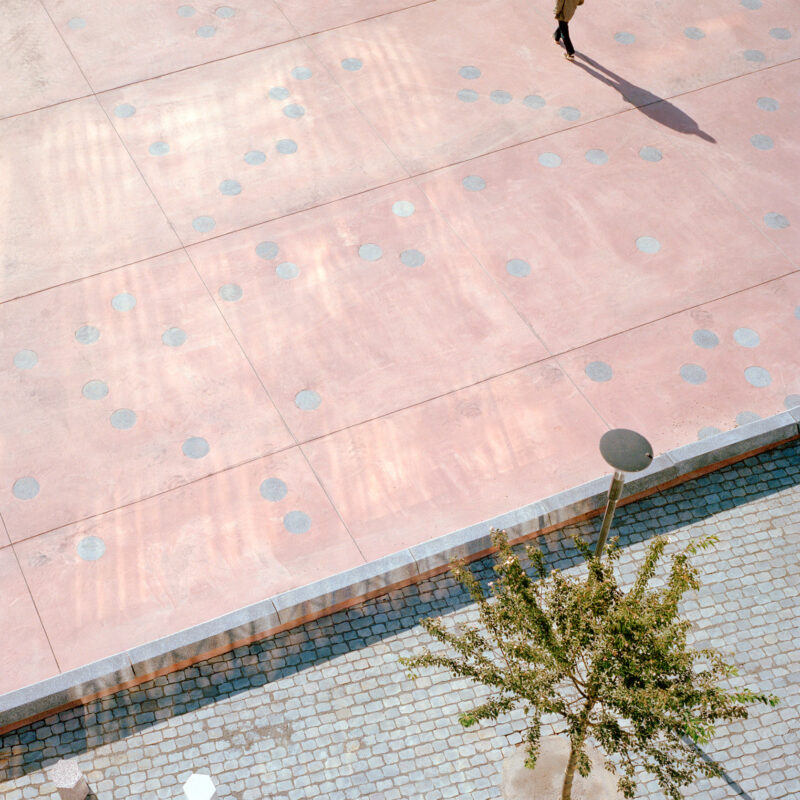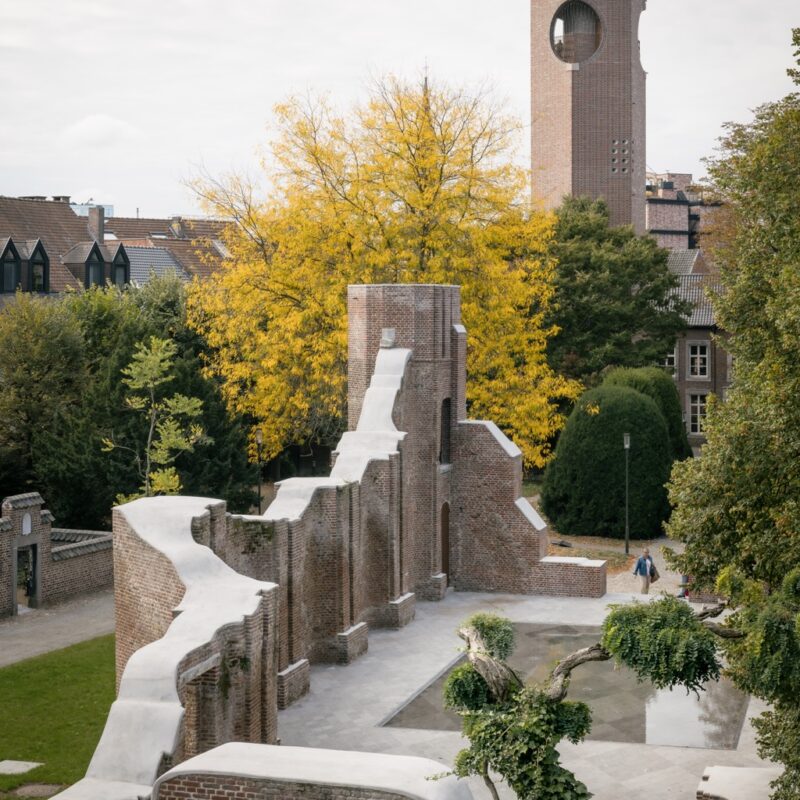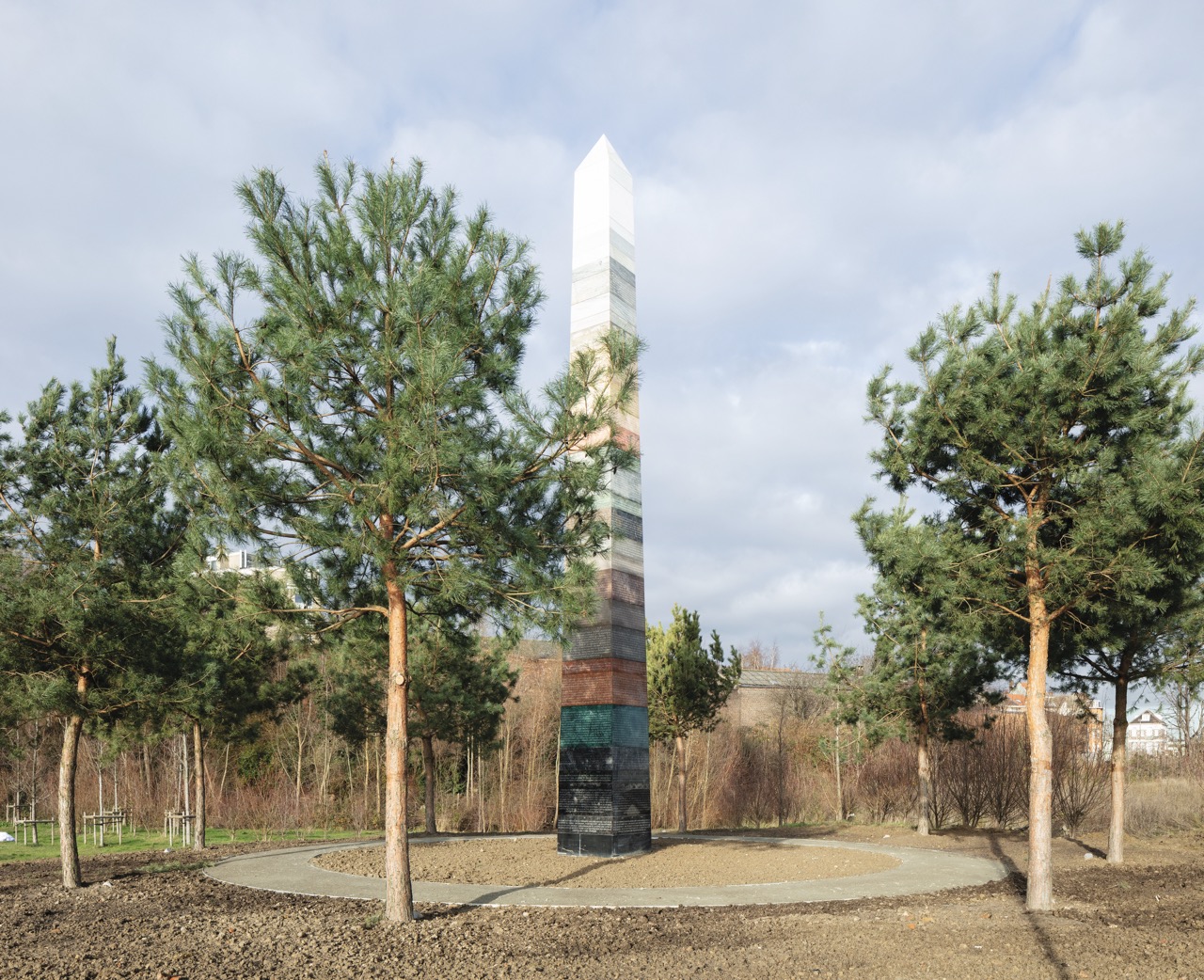
From the very beginning of human existence, people have created places and works of art to commemorate the past. Traces of this can be found everywhere, especially in the city, signs that refer to the past. These memorial sites have a story of their own and are rooted in a particular spirit of the times. Whilst monuments used to occupy a central place in the city, today we tend to find them in hidden and unexpected places, or on the outskirts of the city. In Brussels, the victims of the recent attacks are commemorated in various places, integrated into the existing urban fabric.
In the book *L’art de la mémoire, le territoire et l’architecture*, Sébastien Marot explores the connection between collective memory and the spatial framework, and how each period gives a different place and form to the major events of the time. He also describes how the Greeks and later the Romans practised the ars memorativa, namely the art of remembering, whereby one links an argument to a spatial structure in order to remember it better. In his book, he explores these connections in a contemporary, suburban environment, viewing memory as a fourth dimension. Today, memorial sites strike a balance between, on the one hand, a remembrance of a distant past, and, on the other, the materialisation of a recent event that appeals to our collective value system.