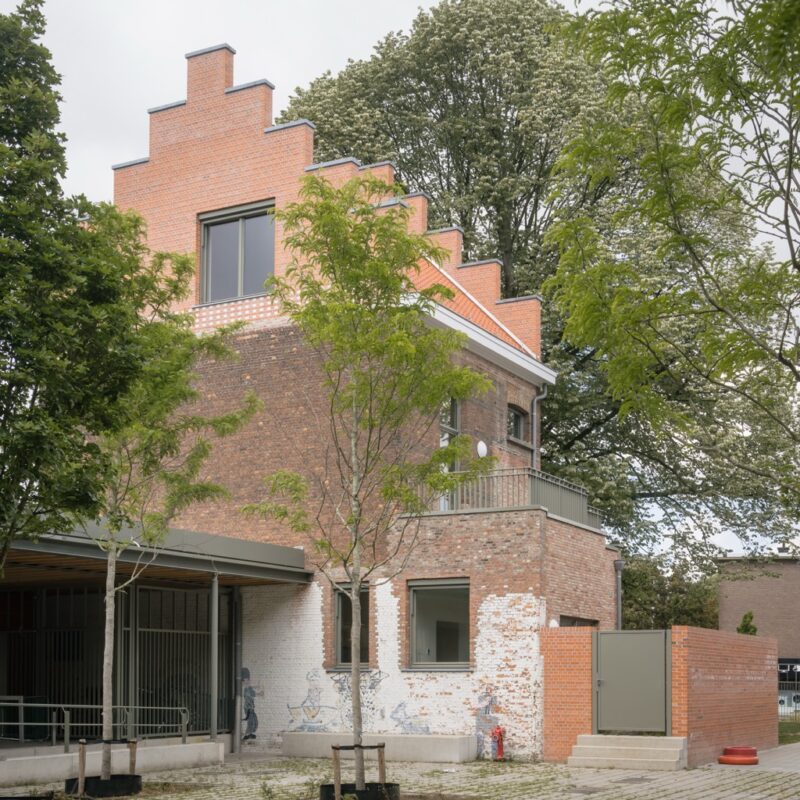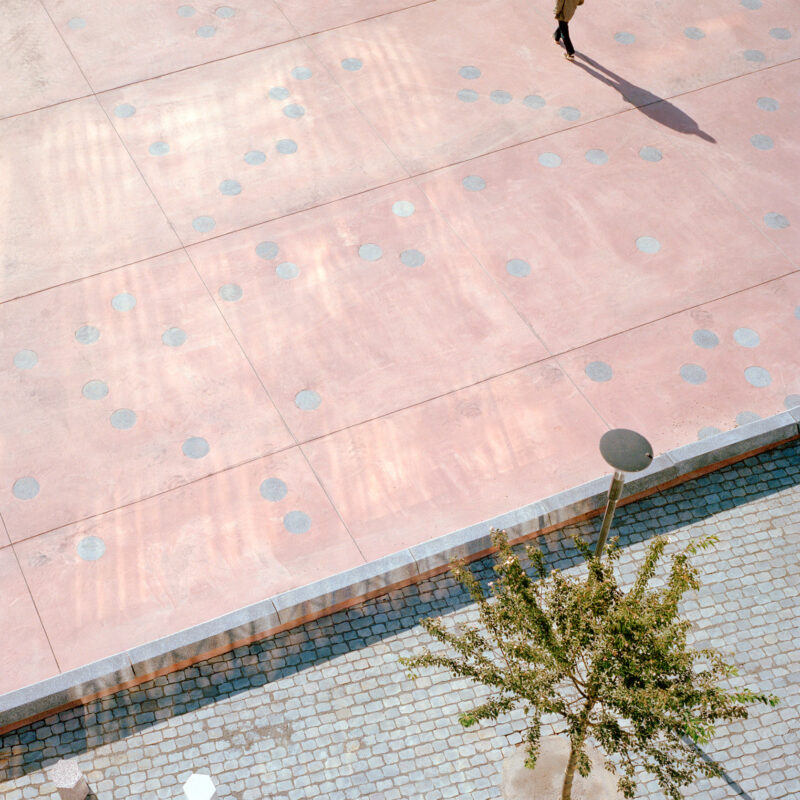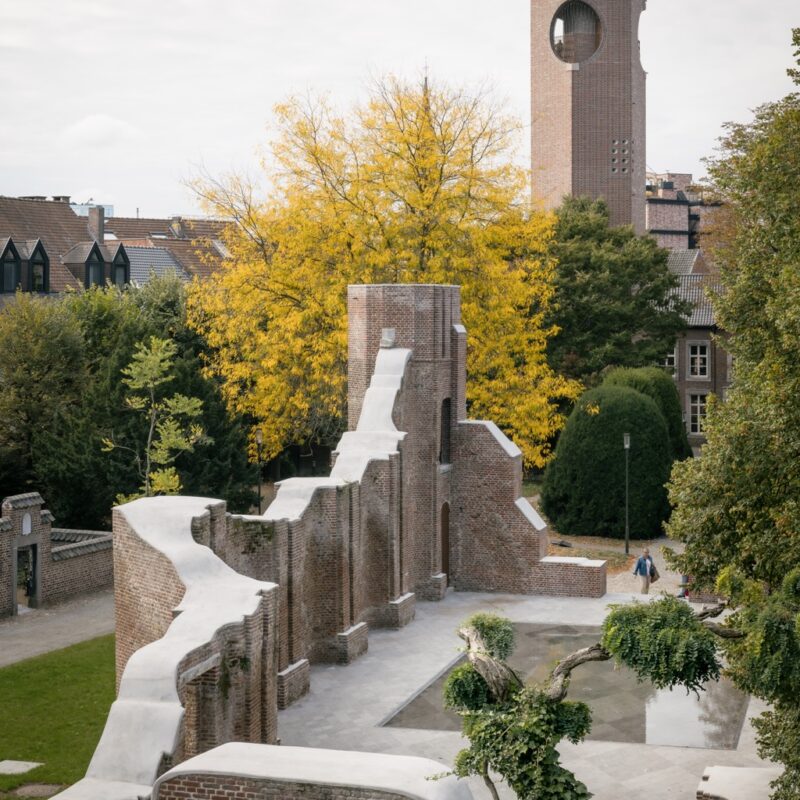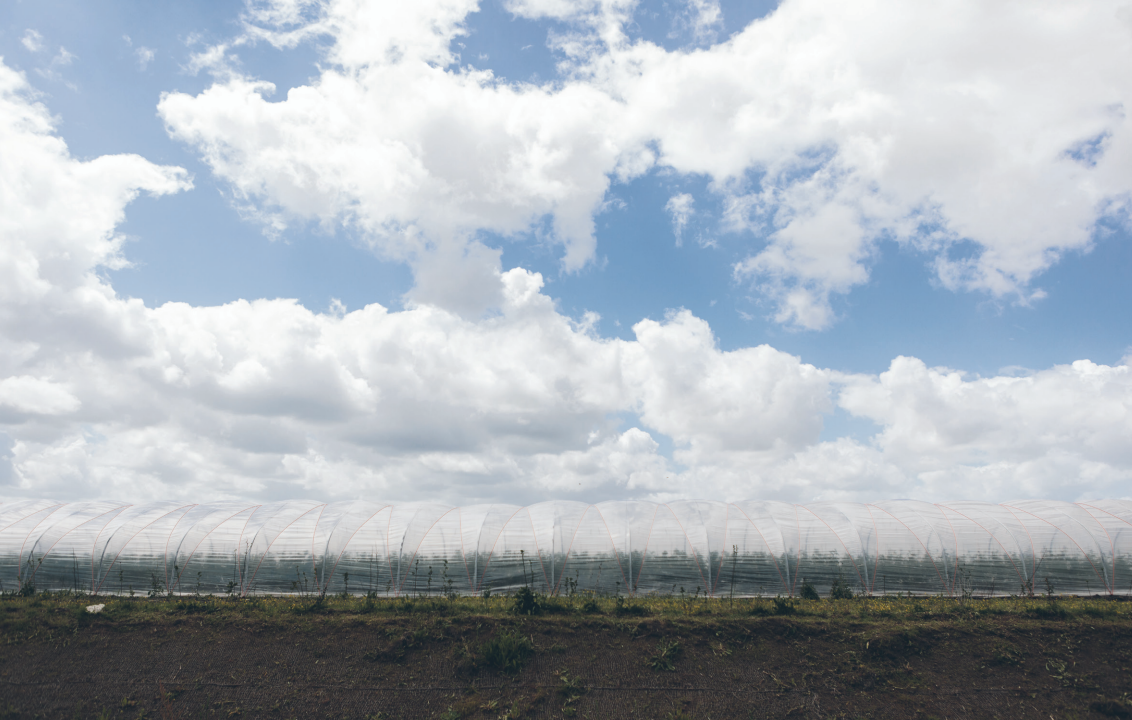
As ‘the queen of Belgium’s seaside resorts’, Ostend’s urban fabric includes a number of classically inspired parks. These parks came into existence through the powerful urban-planning concepts of the past. Today, however, the city is pushing its boundaries with a new sort of urban greenery. How can the twenty-first-century park be socially significant for the city’s residents today? The answer lies in the polders.
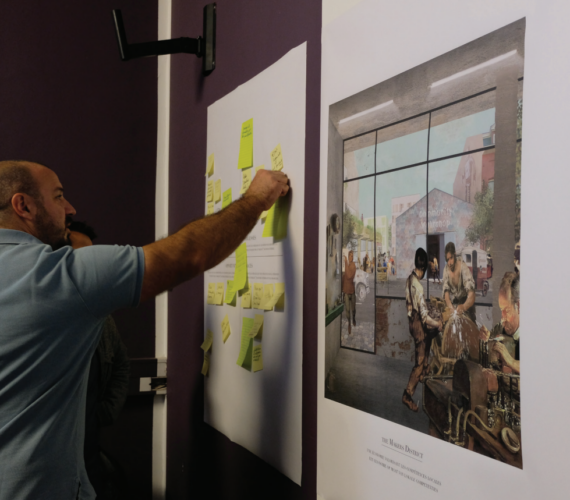
In 2010, together with the Rother District in Southern England, Ostend set out on a European study path under the heading ’21st Century Parks’. The issue of future-proof urban parks was linked in a series of workshops with renewed attention for urban agriculture, climate change and sustainable mobility. That green thread gave Ostend a 37 km Lint, a line that ties the various green areas around the city with each other and connects the fringes with the surrounding open landscape. The concept was developed further and the Groen Lint was assigned a designer via the Open Call of the Flemish Government Architect: Tractebel in cooperation with ADR architectes/Georges Descombes.