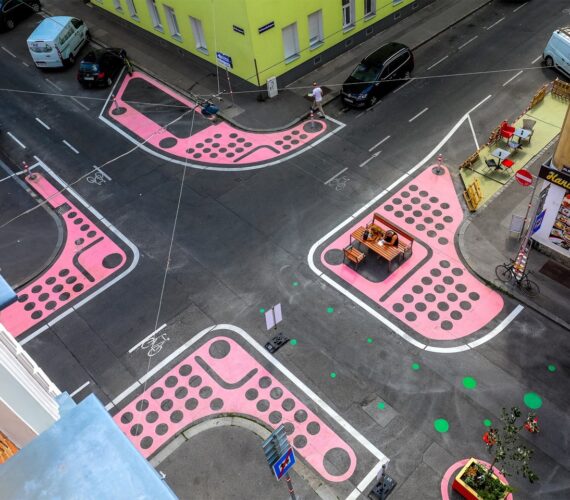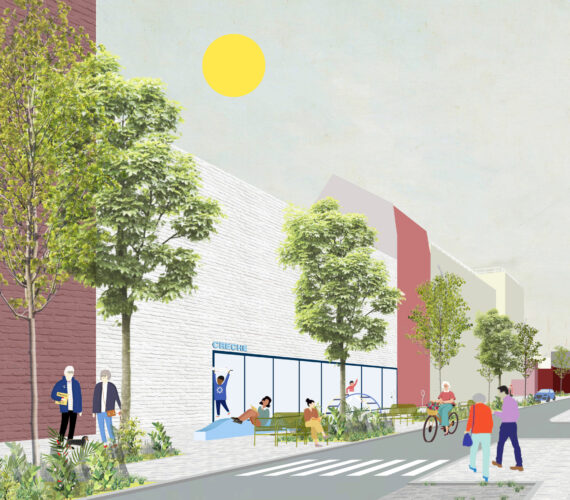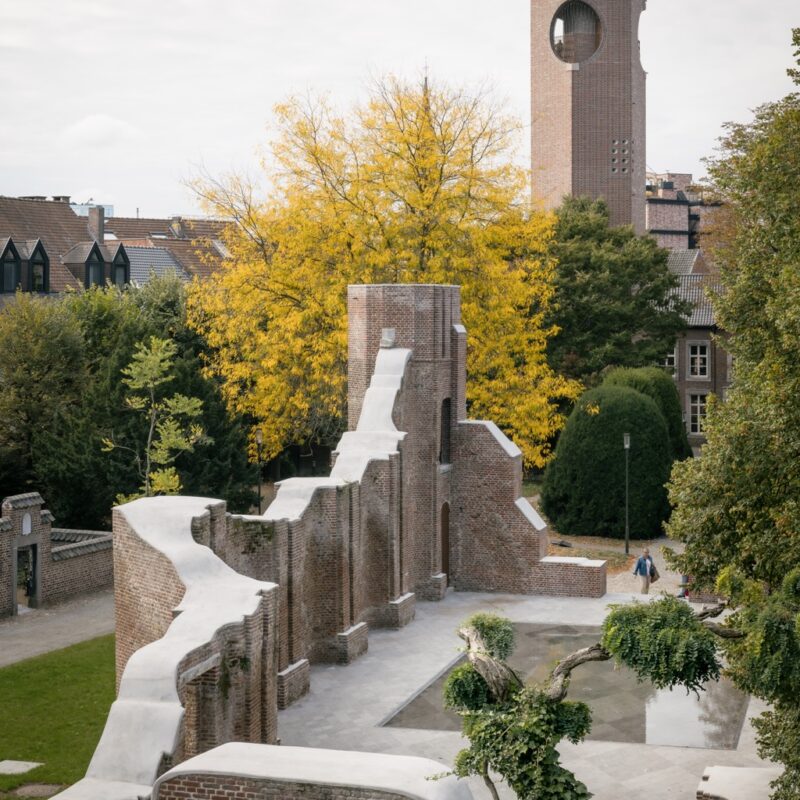
How, when financial means are scarce, can light interventions offering quick wins be scaled up and take precedence over long-term developments that are heavier, slower and costlier? In other words, how can bottom-up activist approaches be combined with traditional top-down urban planning to deliver the various stages of high-quality and widely accepted projects?
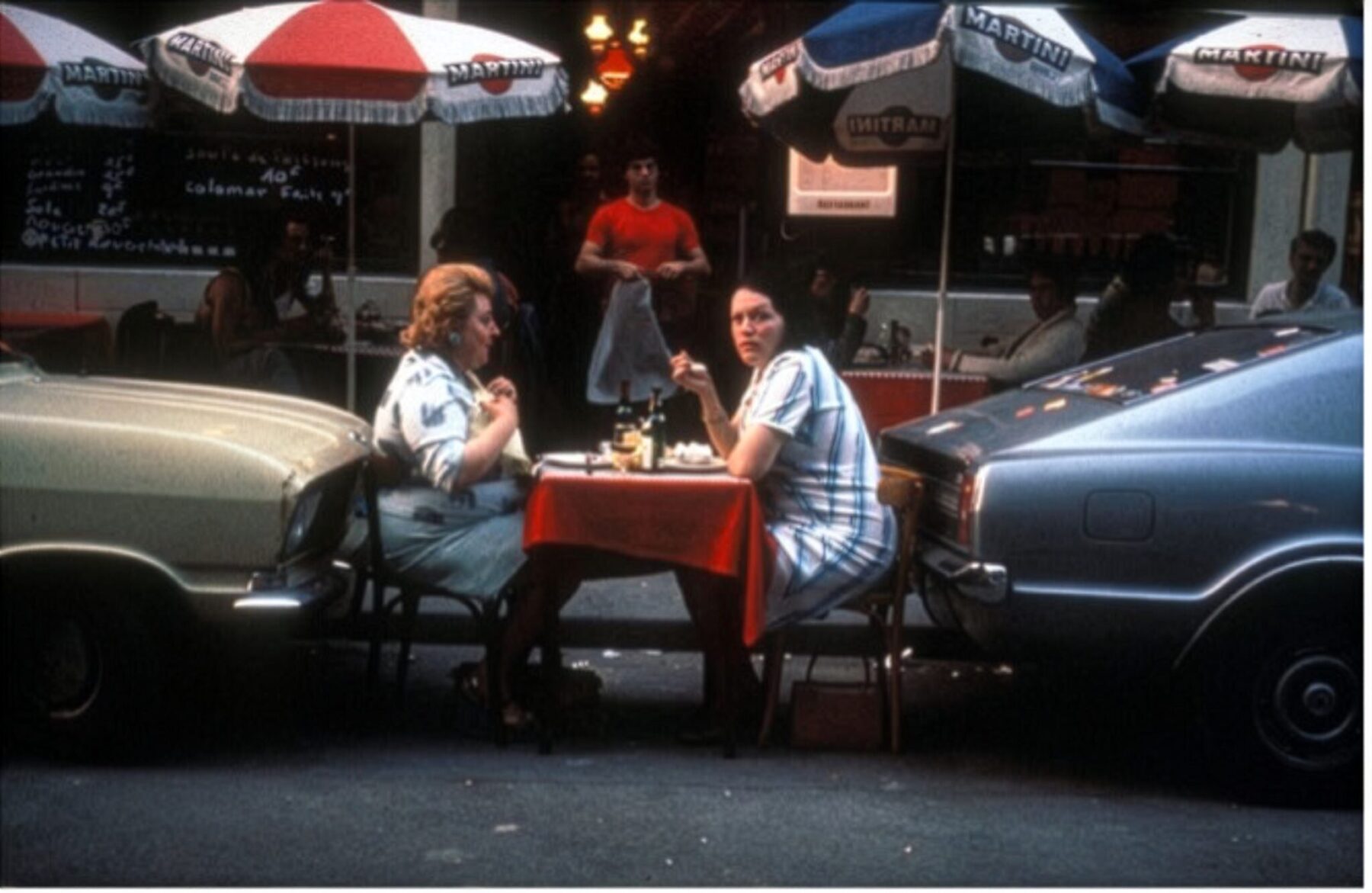
In 1961, Jane Jacobs, in her seminal work The Death and Life of Great American Cities, pointed out the toxic consequences of the alliance between modernist urban planning and the hegemonic rise of the car. This message was subsequently taken up in the 1970s in Copenhagen by Jan Gehl, who warned us that ‘in a Society becoming steadily more privatized with private homes, cars … and shopping centres, the public component of our lives is disappearing’. He went on to hammer home his credo: ‘It is more and more important to make the cities inviting, so we can meet our fellow citizens face to face and experience directly through our senses. Public life in good-quality public spaces is an important part of a democratic life and a full life.’