
Recently, the line between the Venice Architecture Biennale and the Venice Art Biennale has become more and more blurred. This year is no exception. In Minor Keys, conceived by the late curator Koyo Kouoh, art is seen as an antidote to the violence in the world. Homely atmospheres are thus often explicitly portrayed as a place of tranquillity and care.
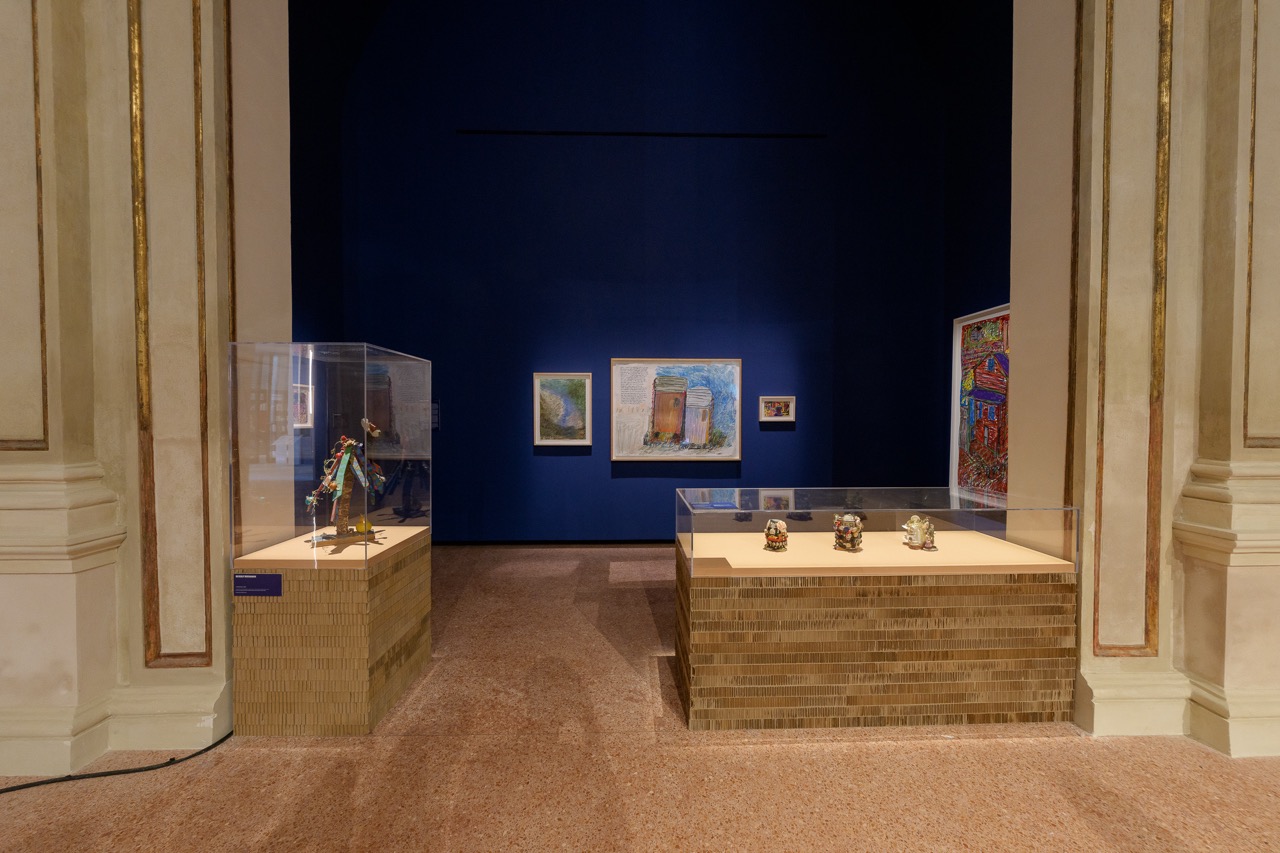
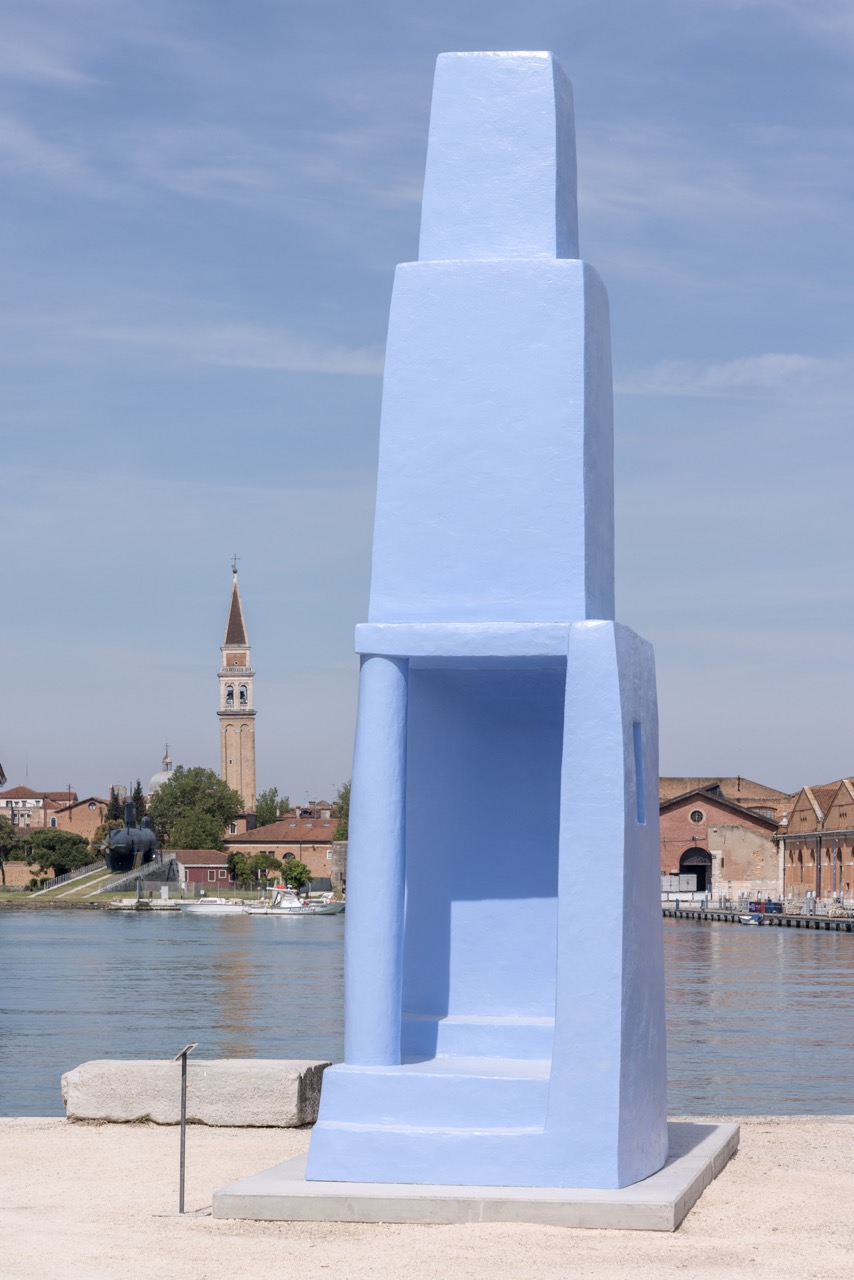
Beverly Buchanan (1940–2017) is a central figure in the biennial’s main exhibition. Her work reflects the images, stories and architecture of her African-American childhood. On display is a wide selection of her drawings and models, along with several photographs of her installations. These often document the shacks that African Americans built because they had no access to mortgage loans. Equally compelling are her gravestones and land art installations dedicated to forgotten people. In the main exhibition, Belgian artist Philip Aguirre y Otegui also explores similar anthropological and spatial themes through powerful sculptures.
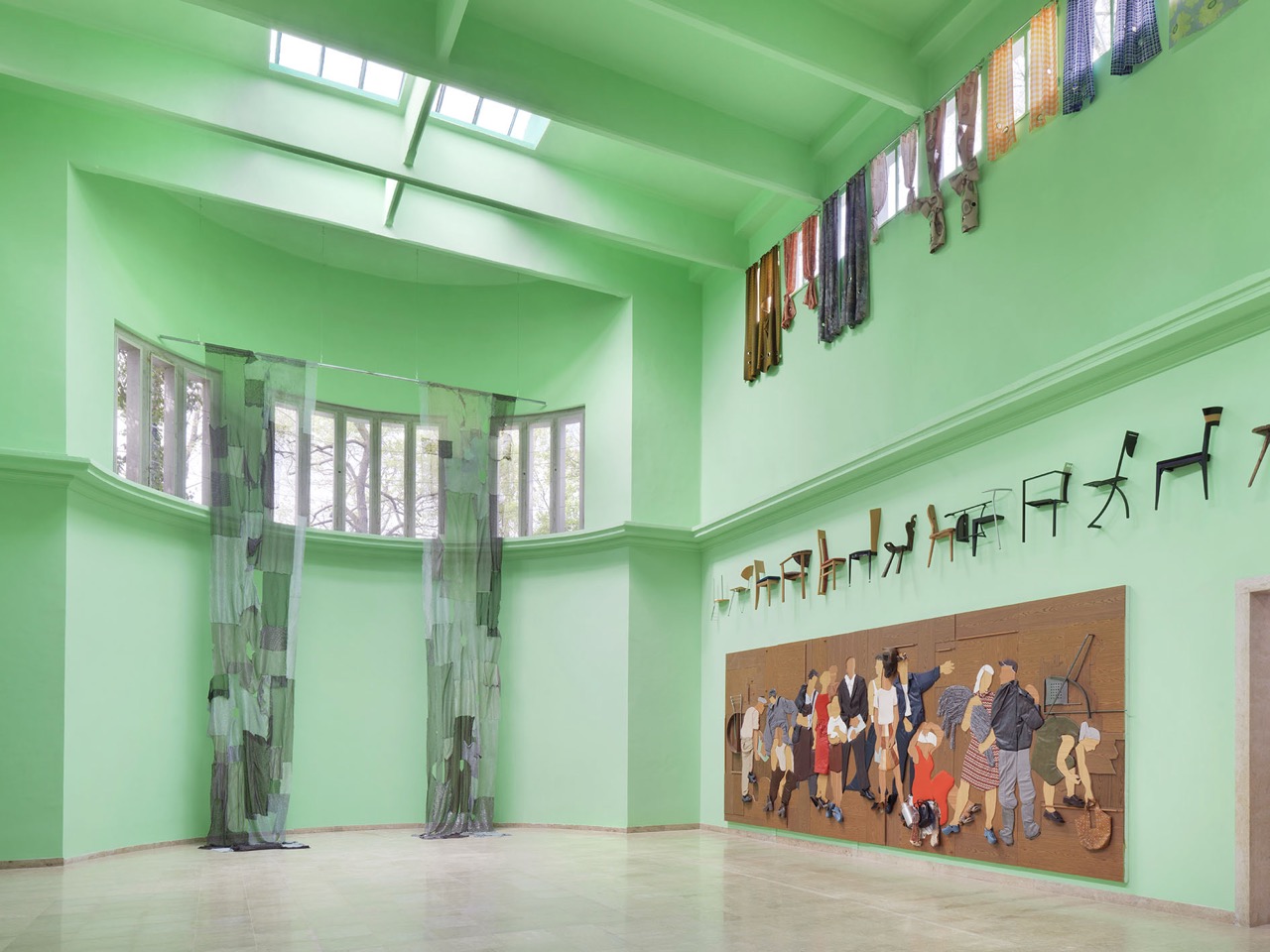
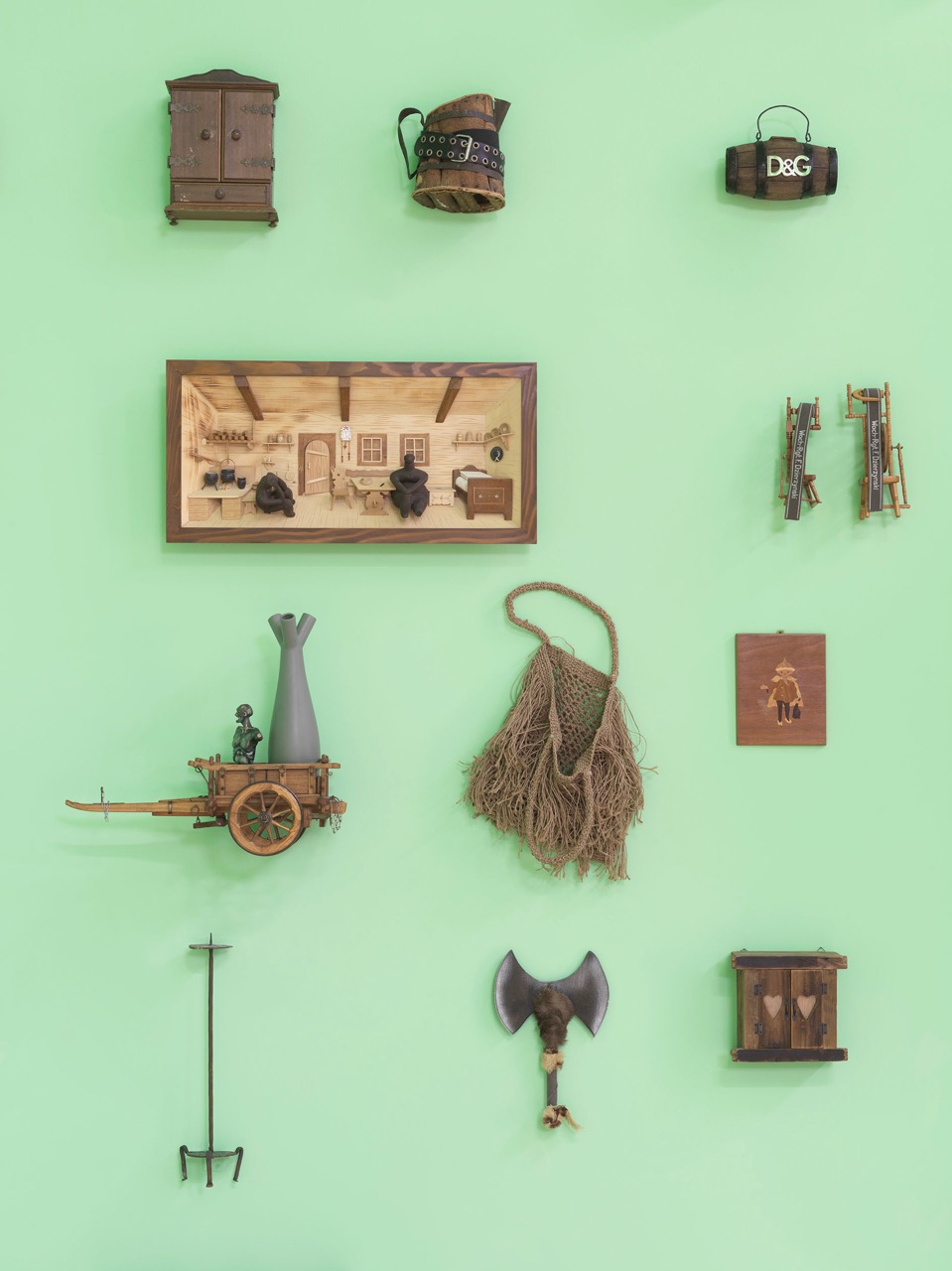
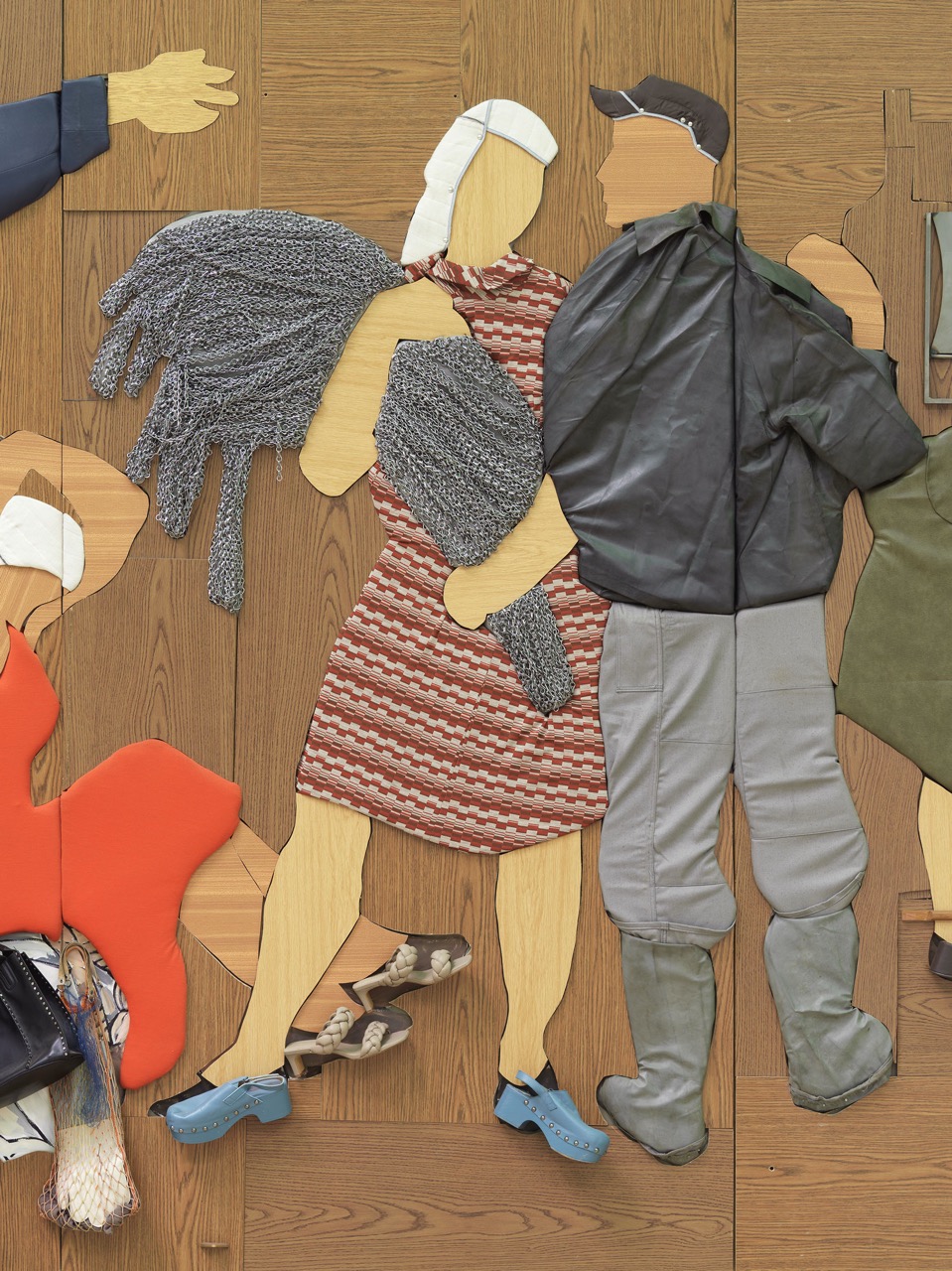
Housing is also a theme in several national pavilions. Ruin, the installation in the German pavilion, is a stunning example. It addresses the collapse of the GDR in 1990 and the scars it left behind. Using mosaic panels, the Vietnamese-German artist Sung Tieu has transformed the pavilion into a replica of a Plattenbau. In doing so, she recalls the miserable living conditions of migrant workers such as her parents. In other works, she analyses the underlying racism. The installation by the recently deceased Henrike Naumann (1984–2026) also presents an impressive study of the connections between German design, traditional woodcuts of living rooms and political imagery, centred around a torn iron curtain.
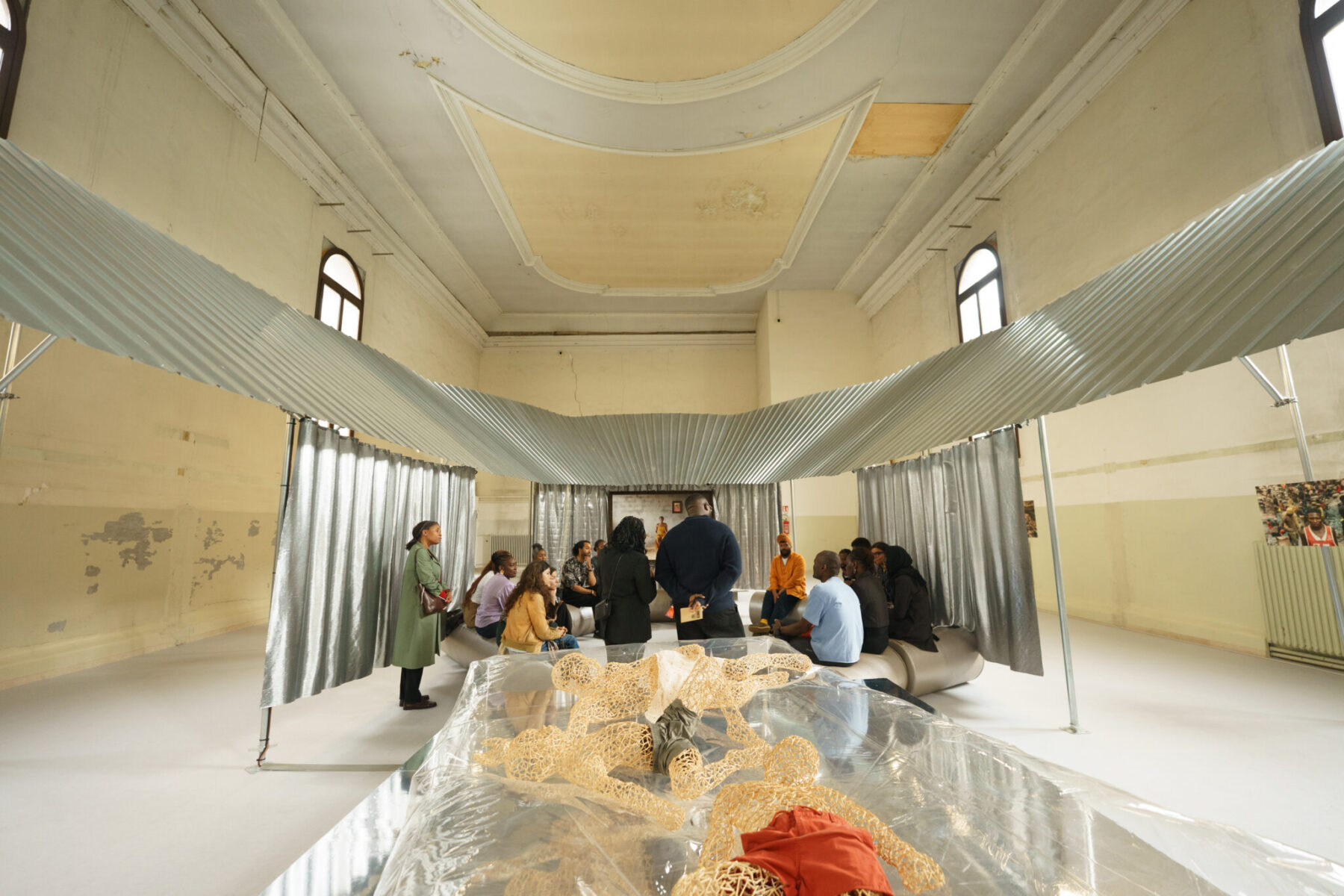
The Democratic Republic of the Congo is taking part in the Biennale for the first time this year. The installation at the Scuola Grande di San Marco is an instant hit. The MOKO collective, led by Nadia Yala Kisukidi, brought together nine artists under the motto Saisis le Feu! This refers to the Congolese conception of fire, the sun and the forge as places of creation, destruction and rebirth, and thus also to the nature of the artistic process. The best-known artist is Sammy Baloji, but I was particularly struck by Arlette Basjizi’s harrowing photographs of mining activity and Géraldine Tobe’s surrealist canvases created with smoke and soot. The scenography by Johnny Leya of Traumnovelle is a work of art in its own right. Using tubular structures, corrugated sheets and silver curtains, he created a courtyard or smithy that aptly reflects the design of the pavilion.
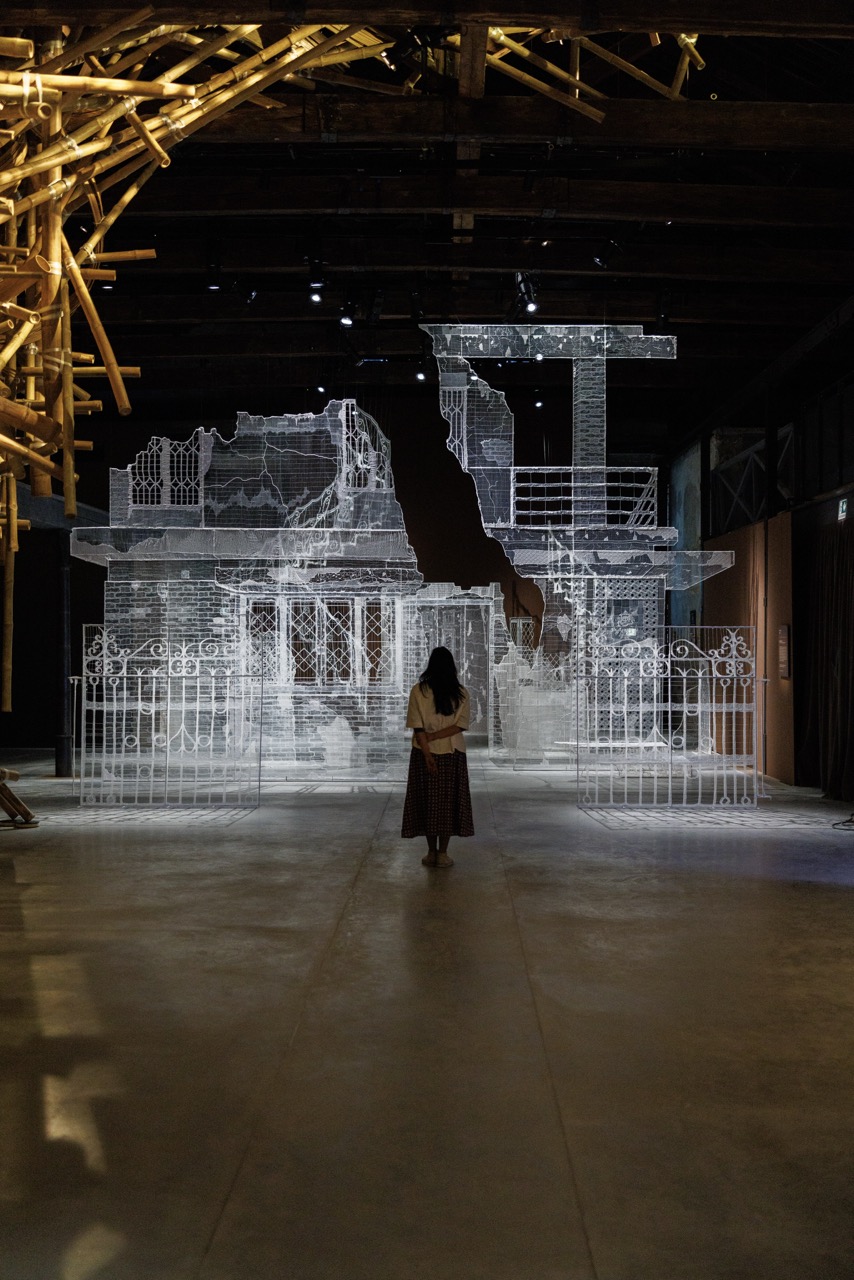
Many pavilions engage in a form of grief work for lost environments. The Slovenian collective Nonument, for instance, documents traces of the violence in the region. In the Indian pavilion, Sumakshi Singh’s lace replica of a vanished home poignantly evokes how a culture fades away as houses disappear. The most radical architectural intervention, however, is that of Dries Verhoeven at Gerrit Rietveld’s Dutch pavilion. He has transformed it, using steel scaffolding and roller shutters, into a closed, pitch-black fortress, symbolising the xenophobia of ‘Fortress Europe’.
When until 22 November 2026
Where Venice
Infos labiennale.org
