For a number of years now, the construction sector has been keen to talk about ‘sustainable architecture’. This usually involves ‘green energy’ or the quantity and nature of ‘renewable building materials’. These days, everyone is talking about ‘circular construction’. I do not wish to underestimate the importance of these developments for a greener world. Solar panels, insulation, biogas, materials made from natural raw materials… All of these are, of course, absolutely essential, but they are by no means enough. I very much doubt whether they will actually lead to good, sustainable architecture. To me, sustainability means something entirely different, namely: being there and staying there. And enduring architecture always begins with a (brilliant) architectural idea. I am not talking here about (brilliant) ideas that lead to ‘excesses’. To be there and to remain there – otherwise there is no sustainability.
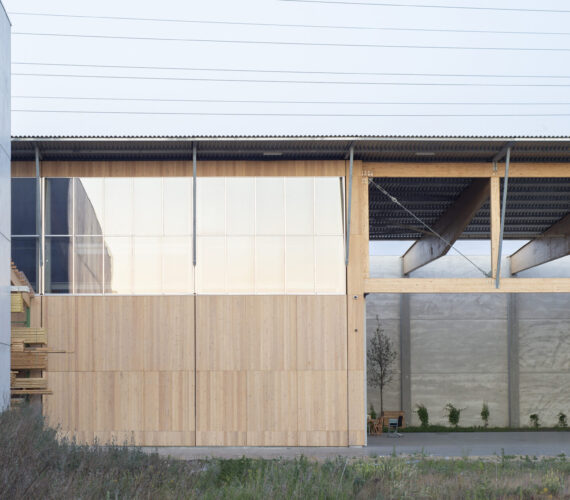
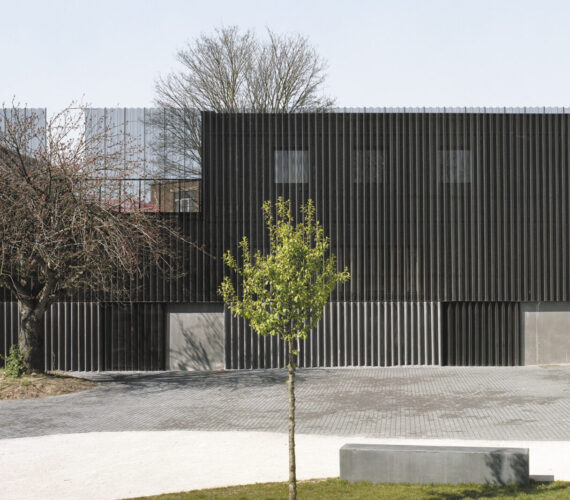
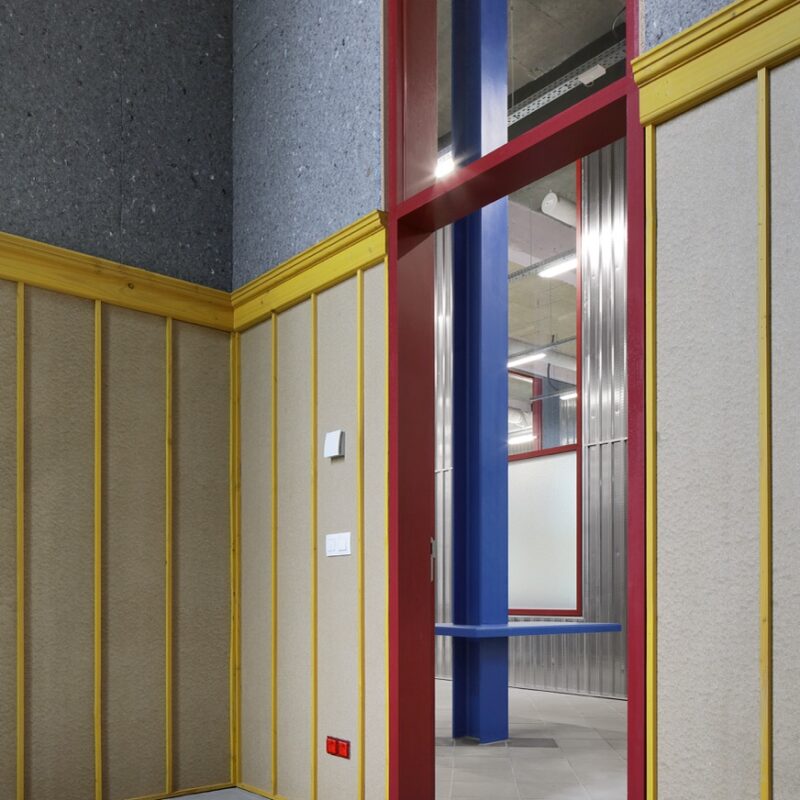
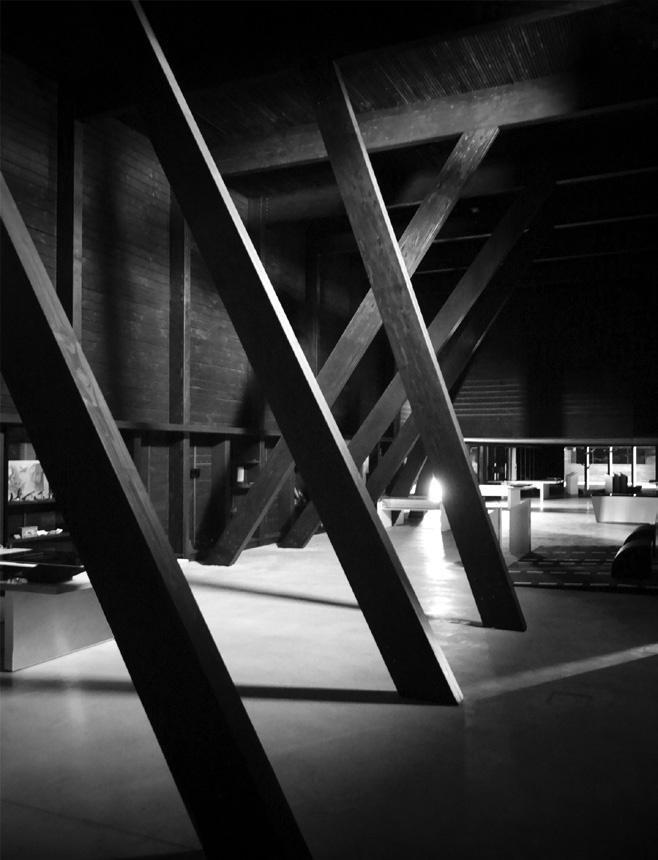
I am convinced that architects and engineers must work together to arrive at an intelligent and logical structural concept that supports – and, if possible, reinforces – the valuable architectural idea. There is always a whole range of structural concepts which are examined to see whether they are also architecturally interesting. The final choice of a particular structural concept can serve as a guiding principle for further developing the architectural idea into a sustainable design. Just as the architect must be resourceful in order to create an interesting architectural concept, so too must the engineer – in collaboration with the architect – put forward the right, intelligent structural choice. Naturally, other disciplines also influence that choice, but the structural concept is the basis, the foundation. It is the backbone that enables architecture to be sustainable.