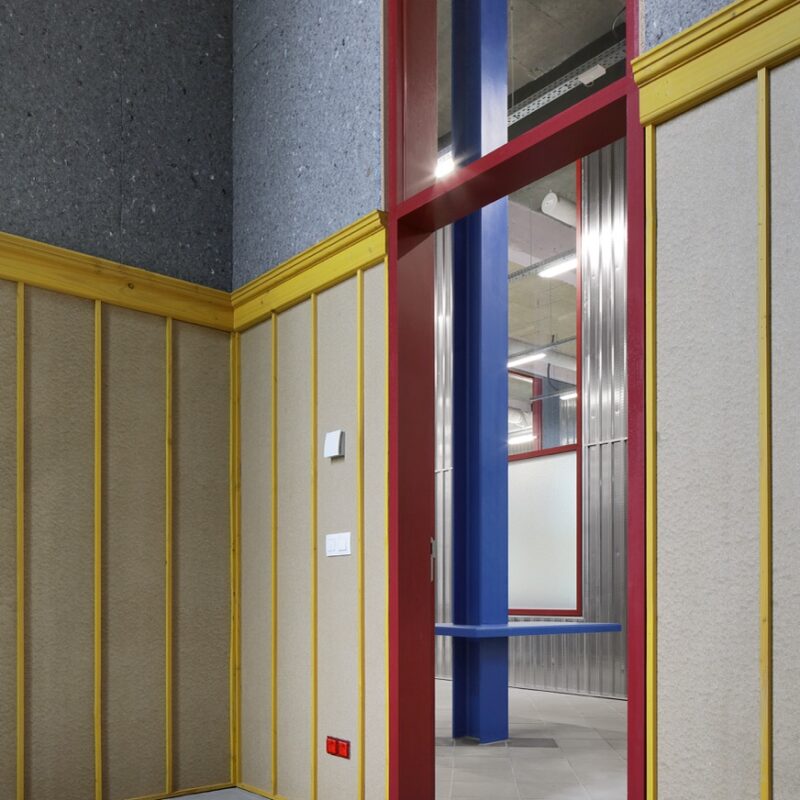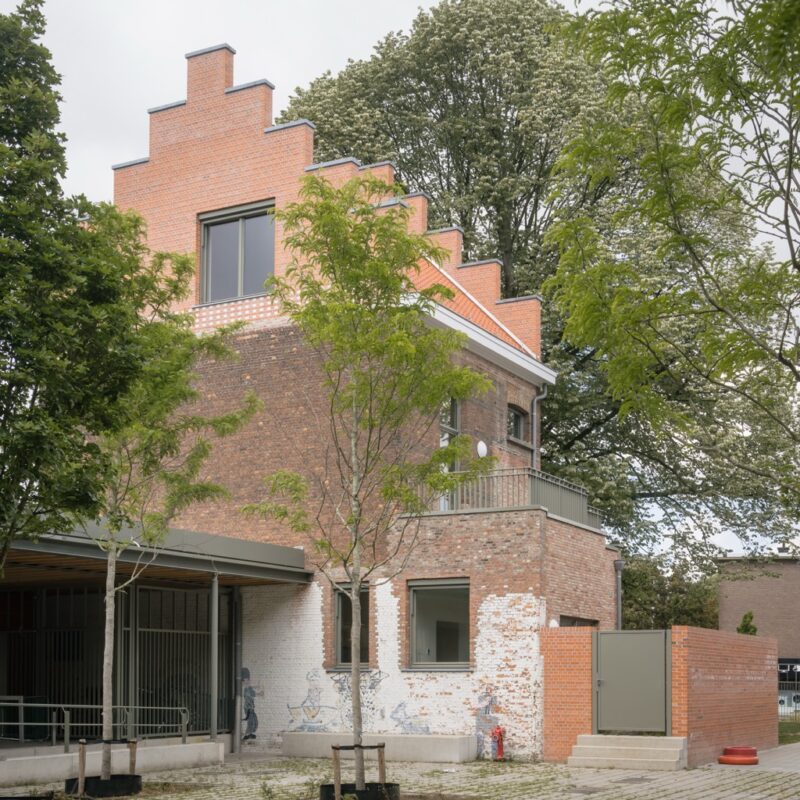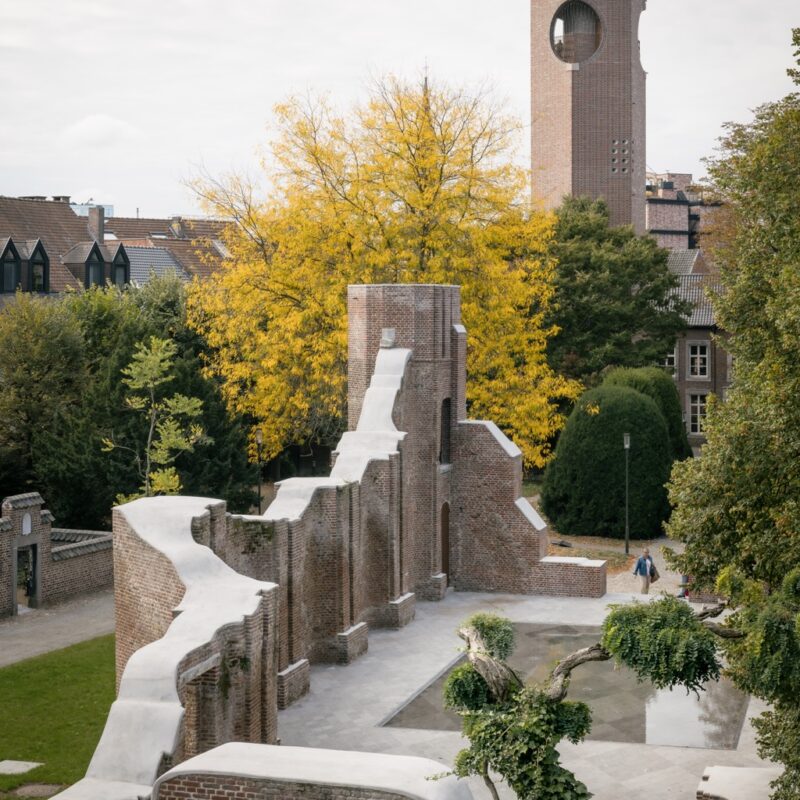
Whether it be standards and certification, town-planning regulations and administrative procedures, or NIMBY objections, an architectural project must engage with these issues in order to move beyond the narrow confines of architecture and enter the broader sphere of society. This is all the more true when dealing with a groundbreaking project such as the MAC’s at Grand-Hornu or the Liège Theatre by the Pierre Hebbelinck architectural practice.
The practice of architecture can sometimes resemble a long succession of obstacles overcome and challenges re-examined. It requires both unshakeable conviction and a keen ear for the client’s needs and desires. The Pierre Hebbelinck architecture practice places these principles at the heart of its work: on the one hand, building a solidly underpinned foundation that will support the project throughout; and, on the other hand, securing the buy-in of those involved in the project and, where this is not possible, knowing how to adapt without compromising the original vision behind the project. In fact, ‘the architect’s profession is, by its very nature, both prescriptive and transgressive. It is constantly up against something that is bound to go wrong somewhere. You never know at what stage of the design or construction it will happen. Ultimately, wherever it occurs in the process, there is an absolutely colossal creative force of resistance”.