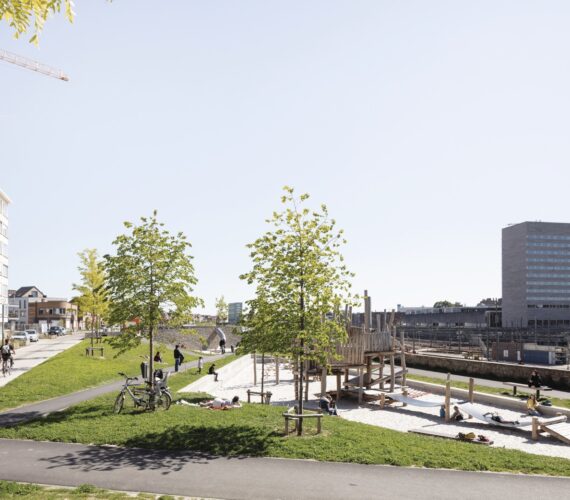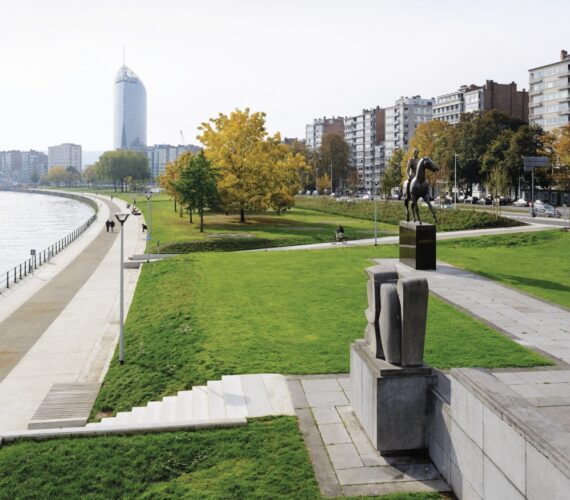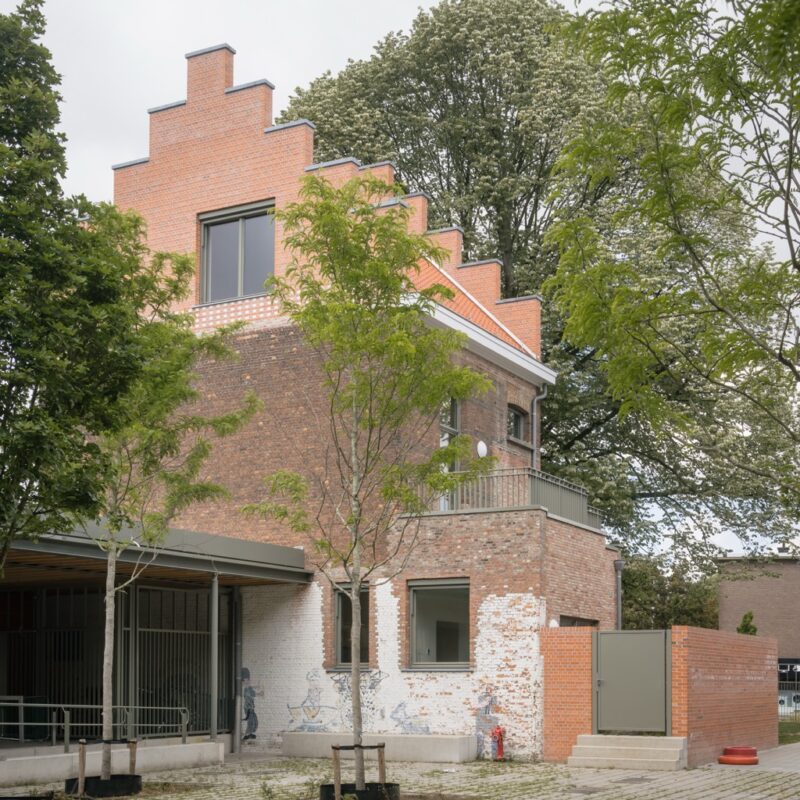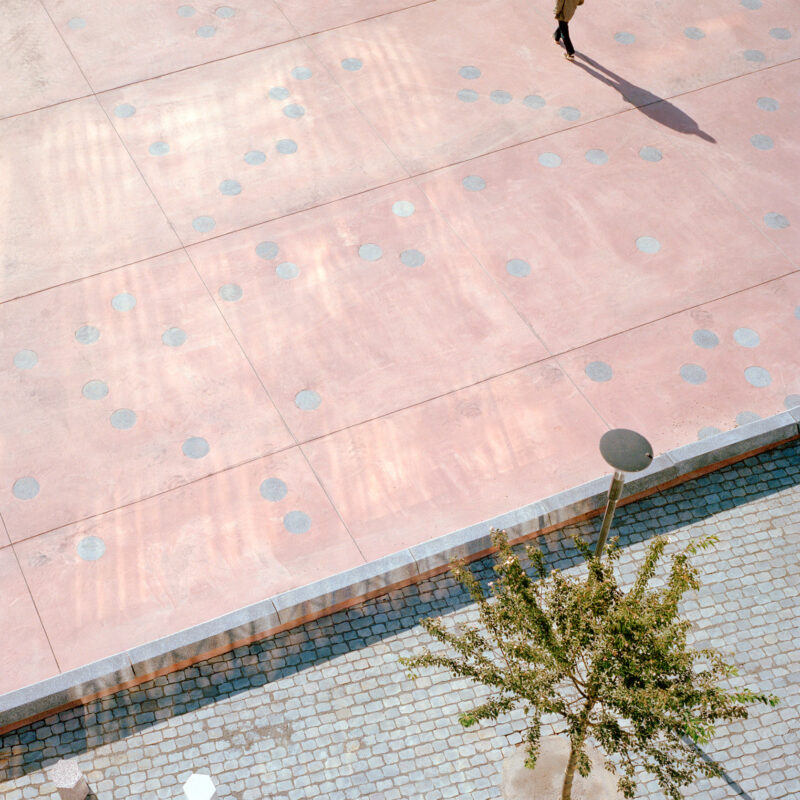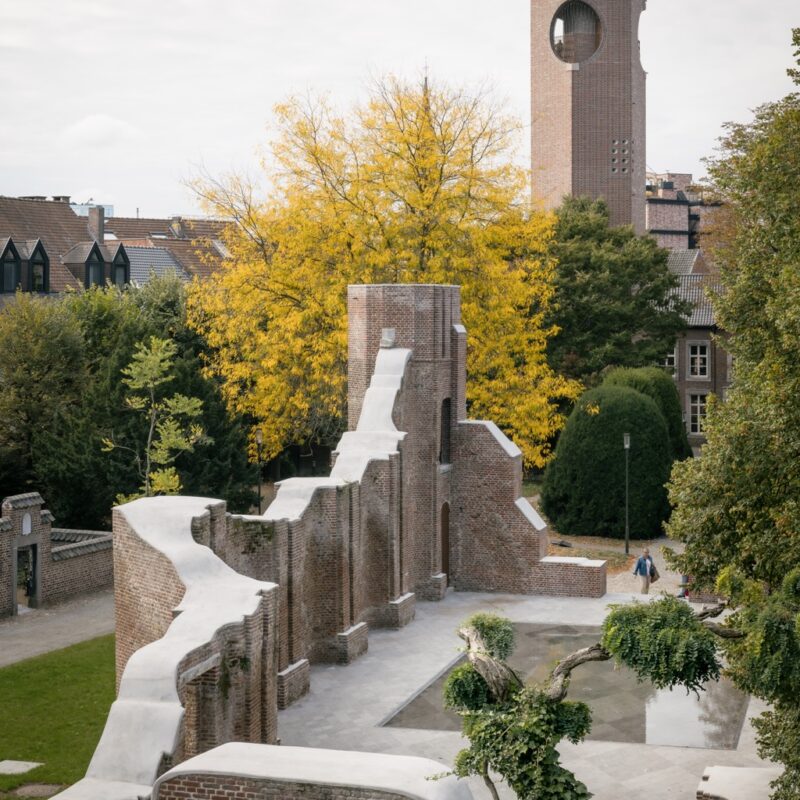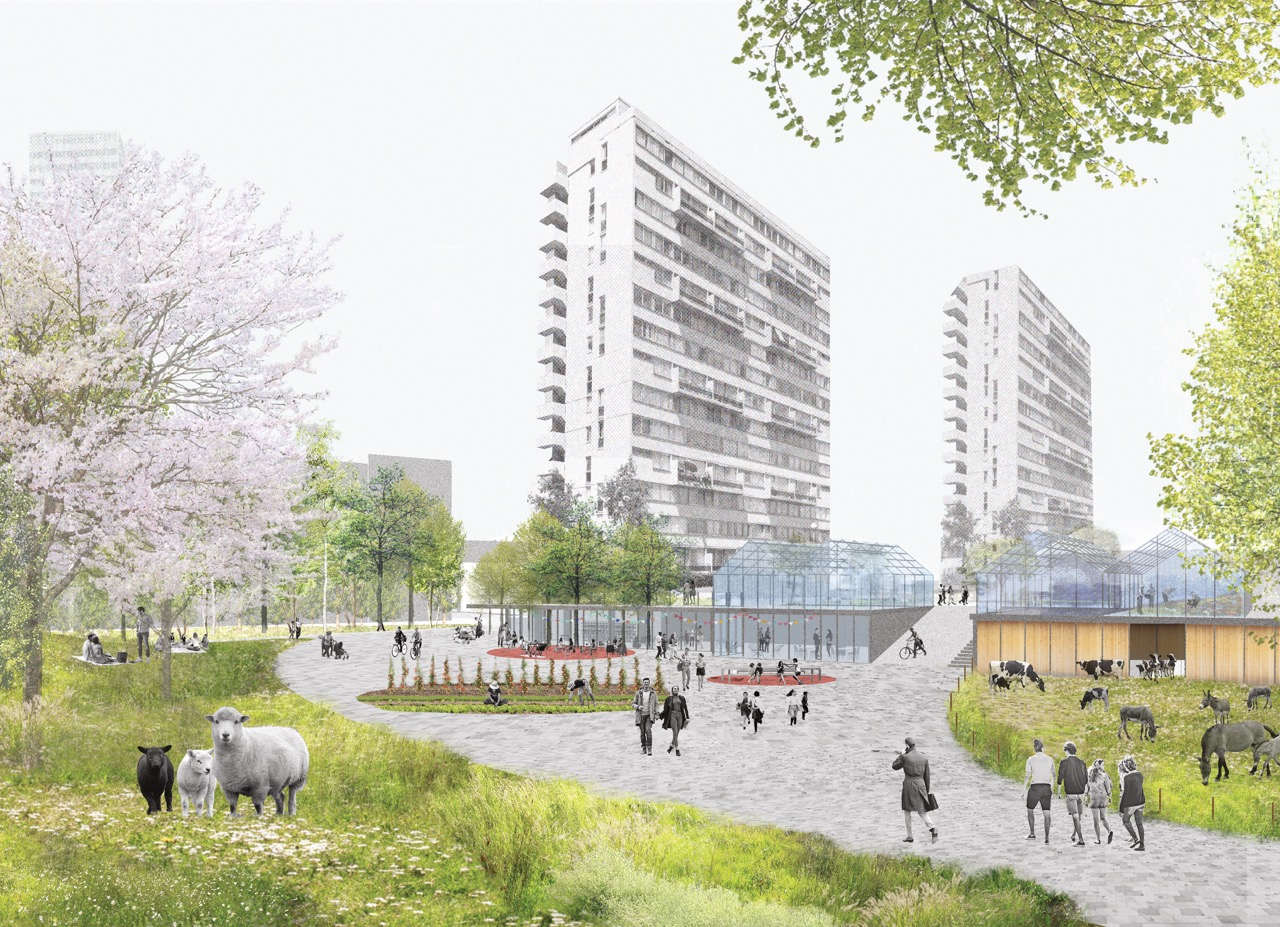
The North district, a hub of radical transformation in Brussels, is soon to undergo a major greening initiative. Max-sur-Senne Park will reshape the green spaces around the opening of the Senne along the Quai de Willebroek. Led by Brussels Environment and Brussels Mobility, with the City of Brussels as a key partner, the competition selected the landscape architecture firm OLM as the winner, in collaboration with HBAAT, Ouest, Dédale and Bureau Studie Jouret. They propose a flexible and open project that embraces the site’s artificial elements and scars. The opening up of the Senne is envisaged as a complete opening up of the neighbourhood.
Somewhere in the mid-19th century. The Senne flows through Brussels. It brings life to the neighbourhoods, powers the machinery, carries away waste and spreads miasma. In this ‘noxious city’, engineers, doctors, technical bodies and the administration would obliterate the river with the grand boulevards of the city centre. To the north, the Allée-Verte station, the canal (in its former position in the bed of the Senne!), the Chaussée d’Anvers. Straight lines cutting through the city: trees, barges, terraced houses.