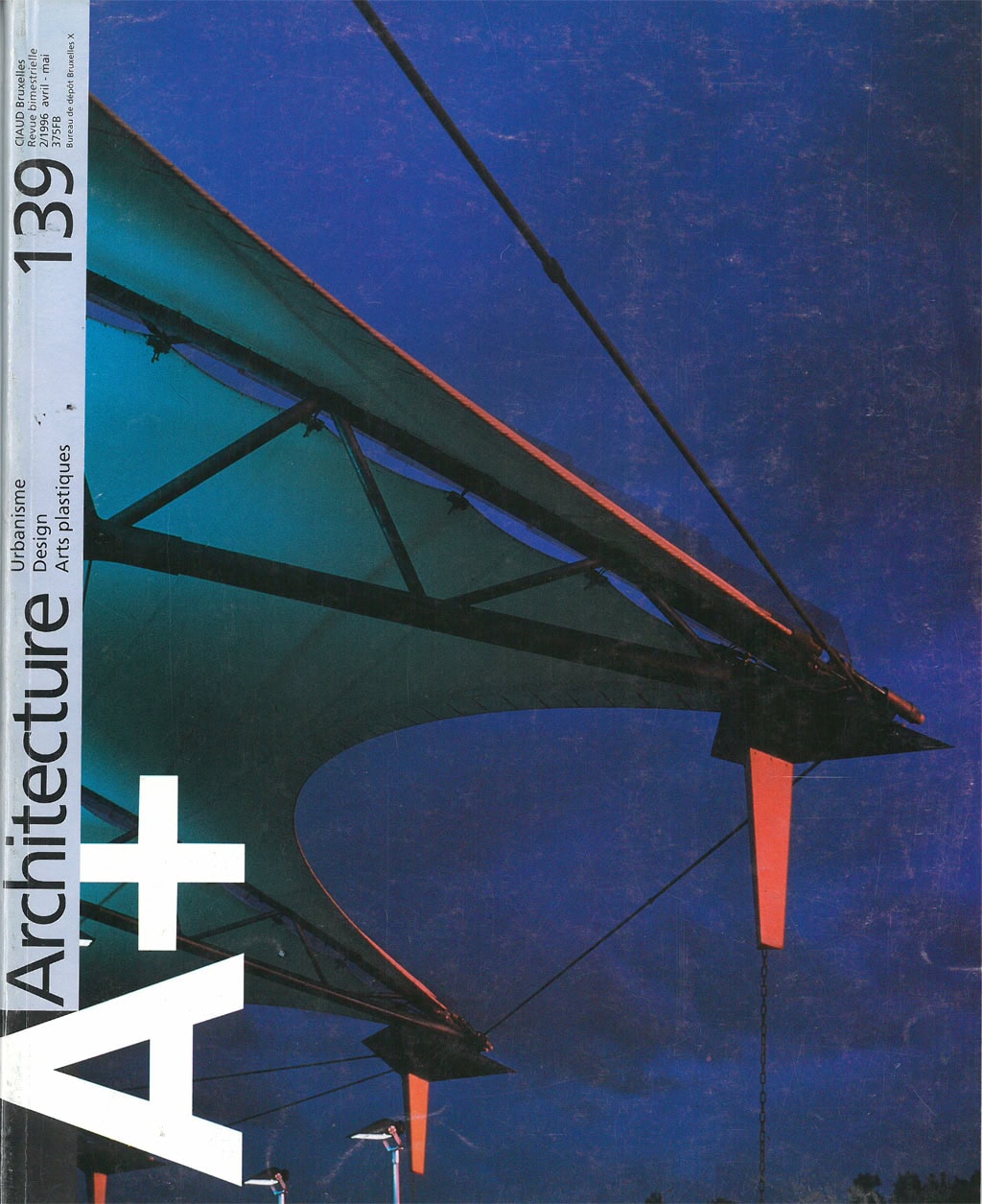
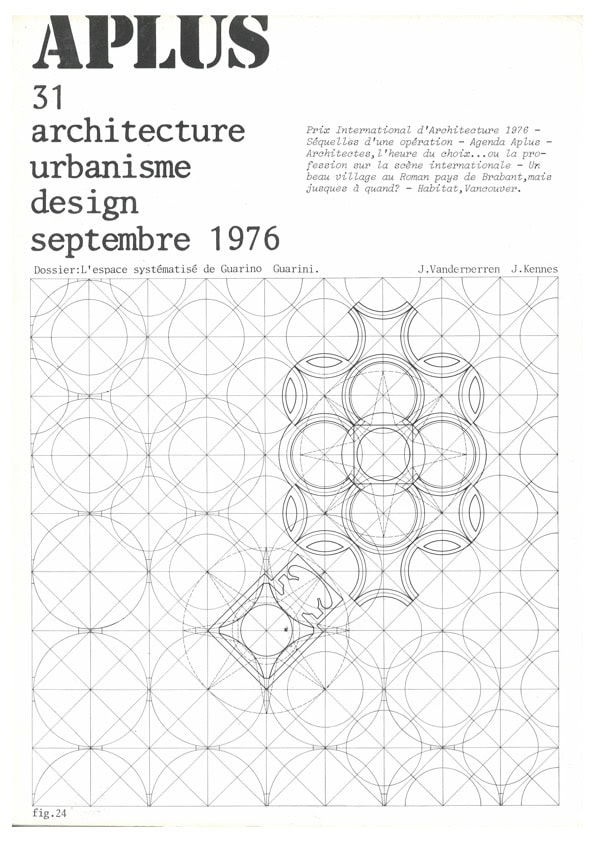
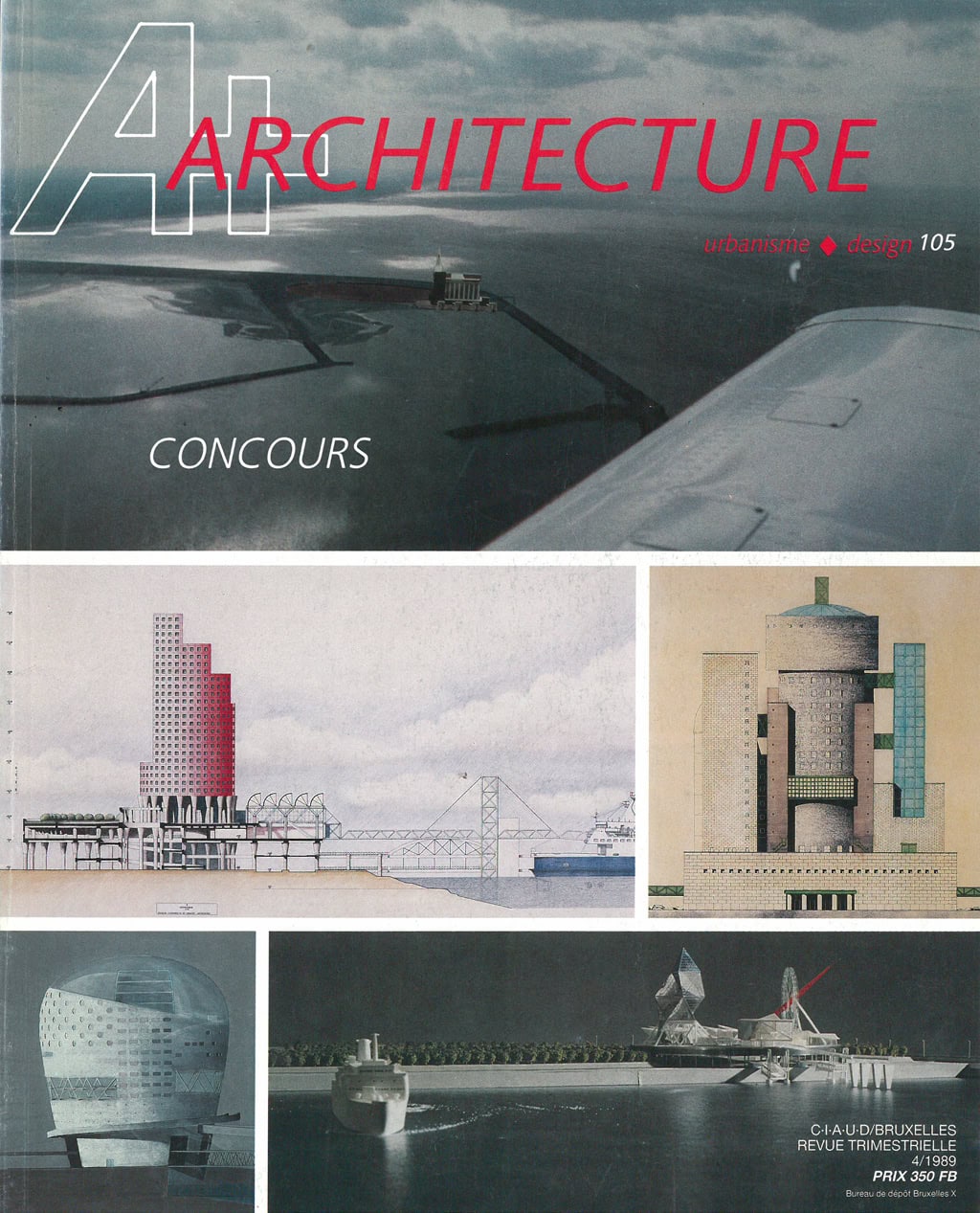
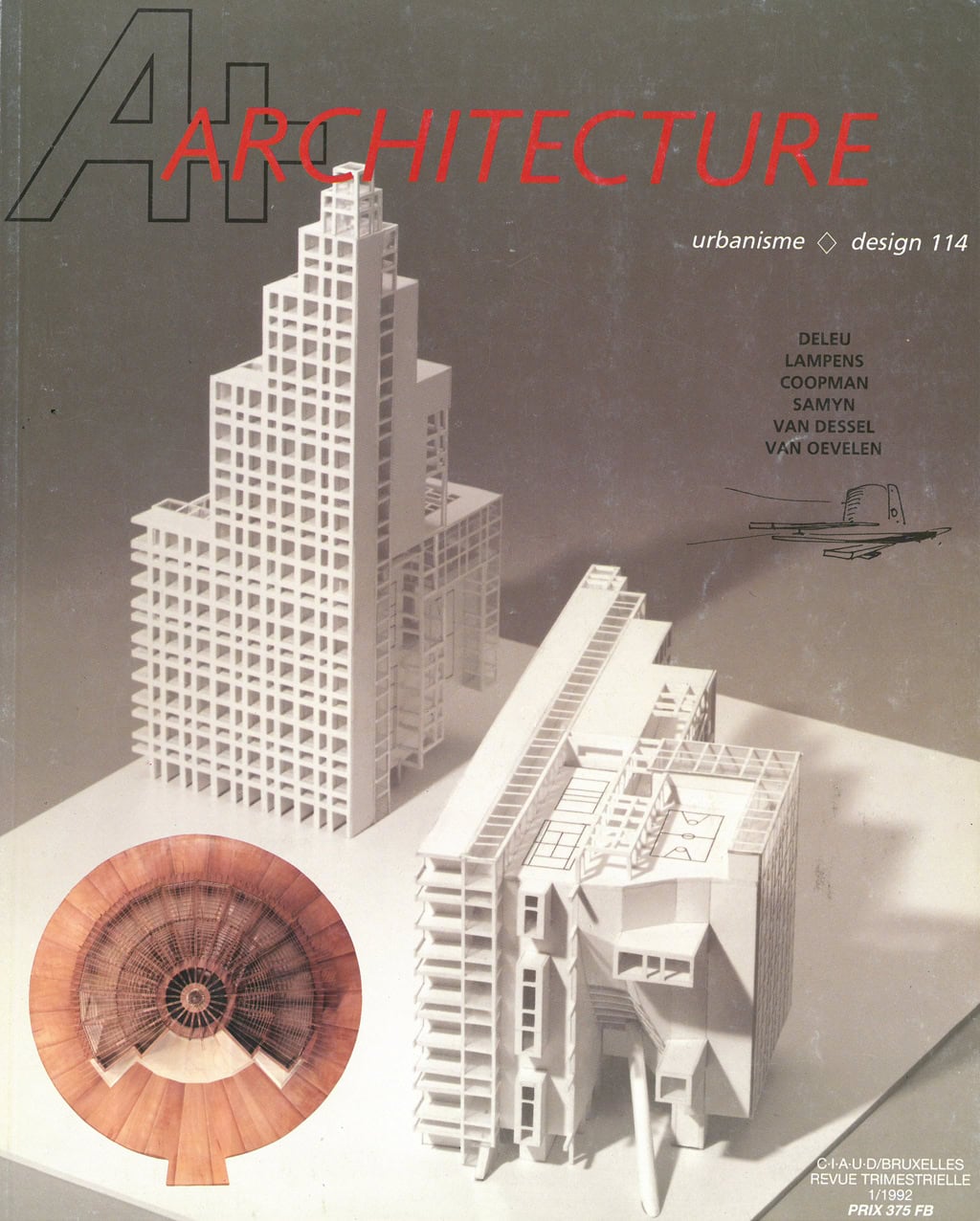
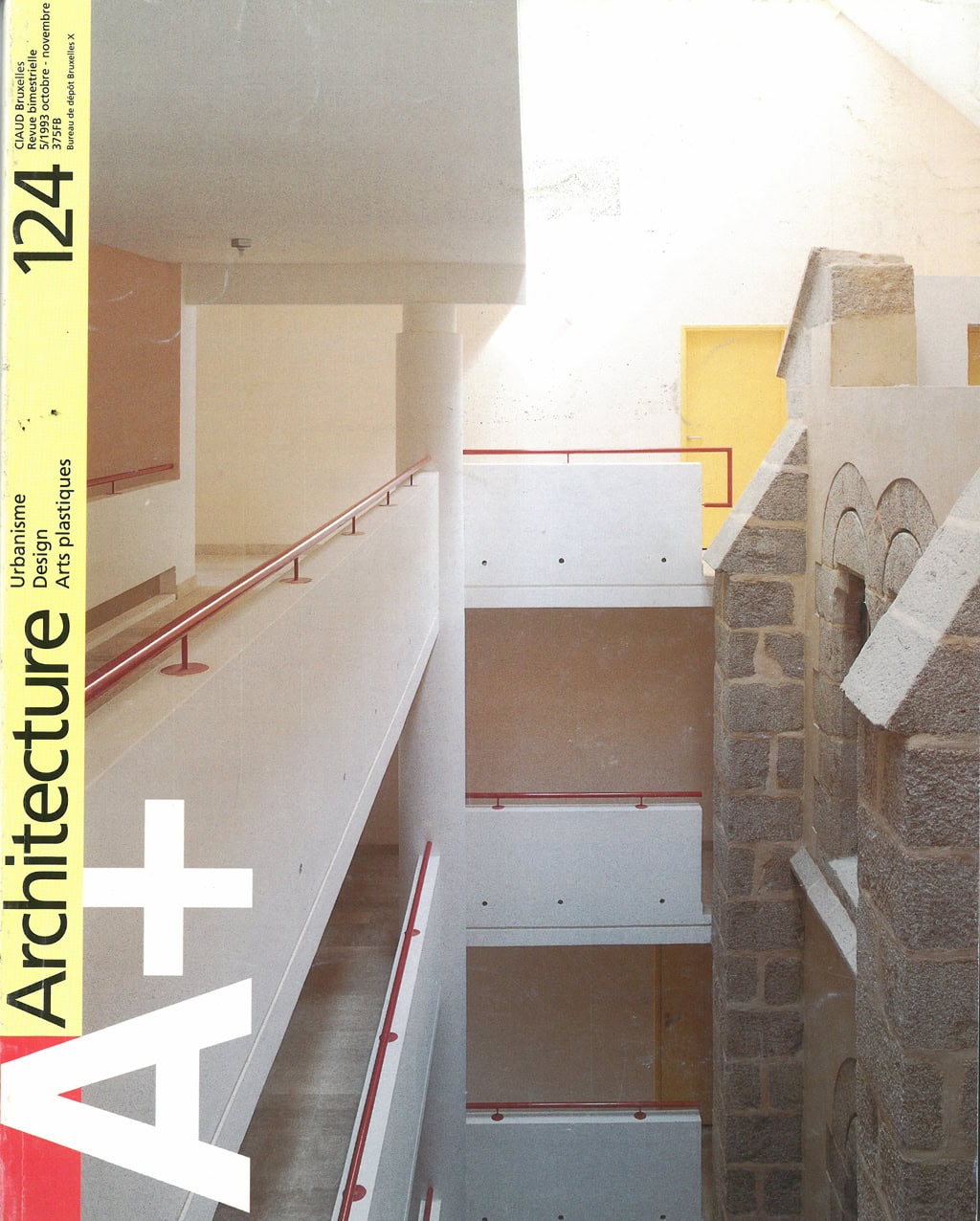
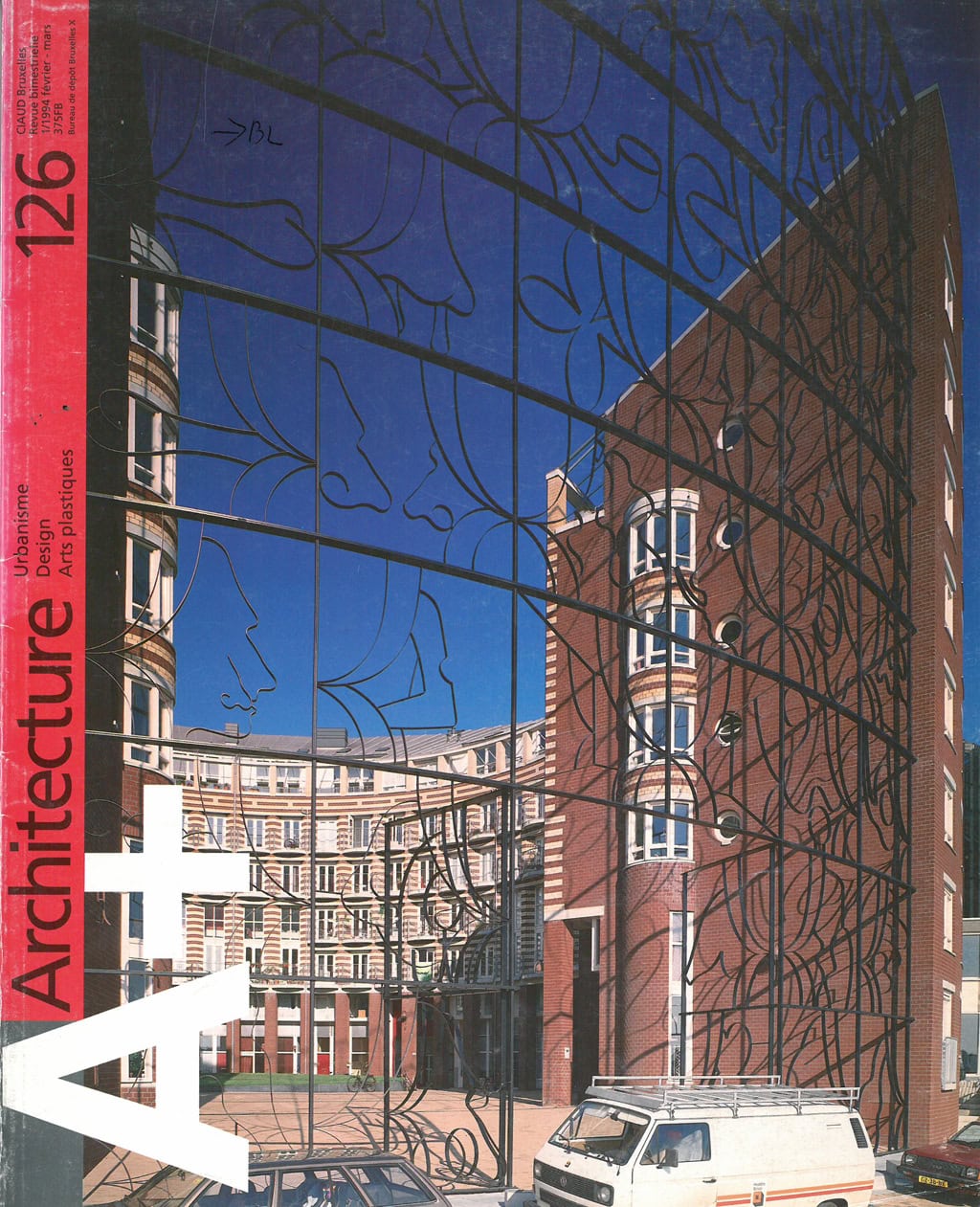
In 2025, A+ will be heading back to the archives! This is an opportunity to re-edit various articles on rich and ambitious projects related to the themes in the new publications. For A+311, dedicated to the circular plan, we have selected several issues that have reflected modern practices over the years: A+31 (1976), A+105 (1989), A+ 114 (1992), A+124 (1993), A+126 (1994), A+135 (1995), A+139 (1996).
A dip into the archives is enough to understand the architects’ obsession with the shape of the circle. From Europe to Asia, via Africa, the circle has acquired significant symbolic, aesthetic and functional meaning. Of course, the analogy between the circle, in the literal sense, and circularity, in the sustainable sense, was not yet confusing. Here we are talking about the circle as a geometric shape that structures space and expresses innovative concepts. Over the years, this autonomous configuration has brought together theories and projects that are becoming increasingly daring.
Theories on geometry
In the eternal quest for the right architecture, many theories have been developed. The natural form of the circle has the property of not freezing places in time, thereby developing a certain symbolism. The circle often allows greater freedom for so-called utopian theories, whilst, for its own design, it restricts and induces more intimate exchanges, an ‘entre-soi’ that stems from its form.
A+31 (1976) is a clear example of an analysis of the rigorous organisation of space through geometric, scientific and methodological logic. The article examines four projects by Guarino Guarini to develop the principles of order and rules that the architect devised in his designs. The circle, and thus naturally the centric plan, serves as the basis for the thinking behind his projects, as if this form scientifically and aesthetically accepts all the architect’s follies.
As mentioned in A+105 (1989), the competition brief for the new ferry terminal in Bruges asked architects to design a distinctive building that would evoke memories of the site’s history. Since then, architects have developed complex projects with innovative concepts. From Rem Koolhaas to Fumihiko Maki, the circle appears in all shapes and sizes: platform, tower, basement… There was no shortage of ideas to strategically mark the entrance to the port.
Inspiration from elsewhere
Modern, natural, utopian, conceptual, historical – the circle has evolved across many cultures, countries and continents thanks to its timeless modernity. Towards the end of the 20th century, more and more architects pushed the boundaries of European architectural styles to develop new ideas based on rich and varied cultures.
In the quest for architecture from elsewhere, Philippe Samyn’s interview with Pierre Loze from A+114 (1992) prompts us to reflect on the way we design and think about workplaces. The building reflects the rich, varied and rhythmic traditions of Middle Eastern architecture whilst remaining firmly rooted in the modern and functional context of the workspace.
The circle is omnipresent and occupies an essential place in Japanese culture and architecture. In A+124 (1993), Jean-Luc Capron discusses the relationship between humans and their natural environment through a series of philosophical reflections drawn from contemporary Japanese architecture. The importance of harmony with the environment is well explained by Hitsuko Hasegawa: “I want to design architecture that fits in with and responds to the other aspects of the ecosystem. I have chosen to develop the theme of architecture as second nature in my professional practice. At the same time, we are seeing a shift among Japanese architects towards more austere, minimalist architecture.
Evolution of modern language
In the 1990s, architects began to break with the past under pressure from the market, which saw a huge increase in the production of buildings. Belgium, which was somewhat caught between mainstream postmodernism and monumental architecture, began to explore ways of integrating architecture into its surroundings. The various projects published in A during this period emphasise the importance of using a circular plan, accepting a certain degree of adaptation in light of the requirements for comfort, use and the significance of the projects.
In A+126 (1994), Jan Bruggemans analyses Bruno Albert’s architectural project for the K.N.S.M. in Amsterdam. The text highlights the evolution of integrative architecture, which shapes urban identity in light of economic, ecological and urban planning requirements. In this way, the circular structure seems to protect them from the world without excluding it. Here, the emphasis is on local specificity and collaboration between Belgian and Dutch architects.
In A+139 (1996), the circular plan is presented as an intelligent response which, in both its layout and its form, raises a symbolic aspect. The text emphasises the importance of well-considered, sustainable architecture that takes account of technological developments and long-term needs, and stresses the need to rethink the relationship between the design, construction and use of buildings.