Details in architecture help to ensure the continuity between design and execution. They maintain a hierarchical relationship of anticipation between the design and construction phases, and as such are instruments of prescription and control. Whether they appear in the space of representation due to the absence of a drawing or in that of the project due to a search for openness, voids are spaces that resist the architect’s control. This photo-essay explores anecdotes about voids where details break free from prescriptive anticipation and come into being through random errors, collaborations, reappropriations and construction systems.
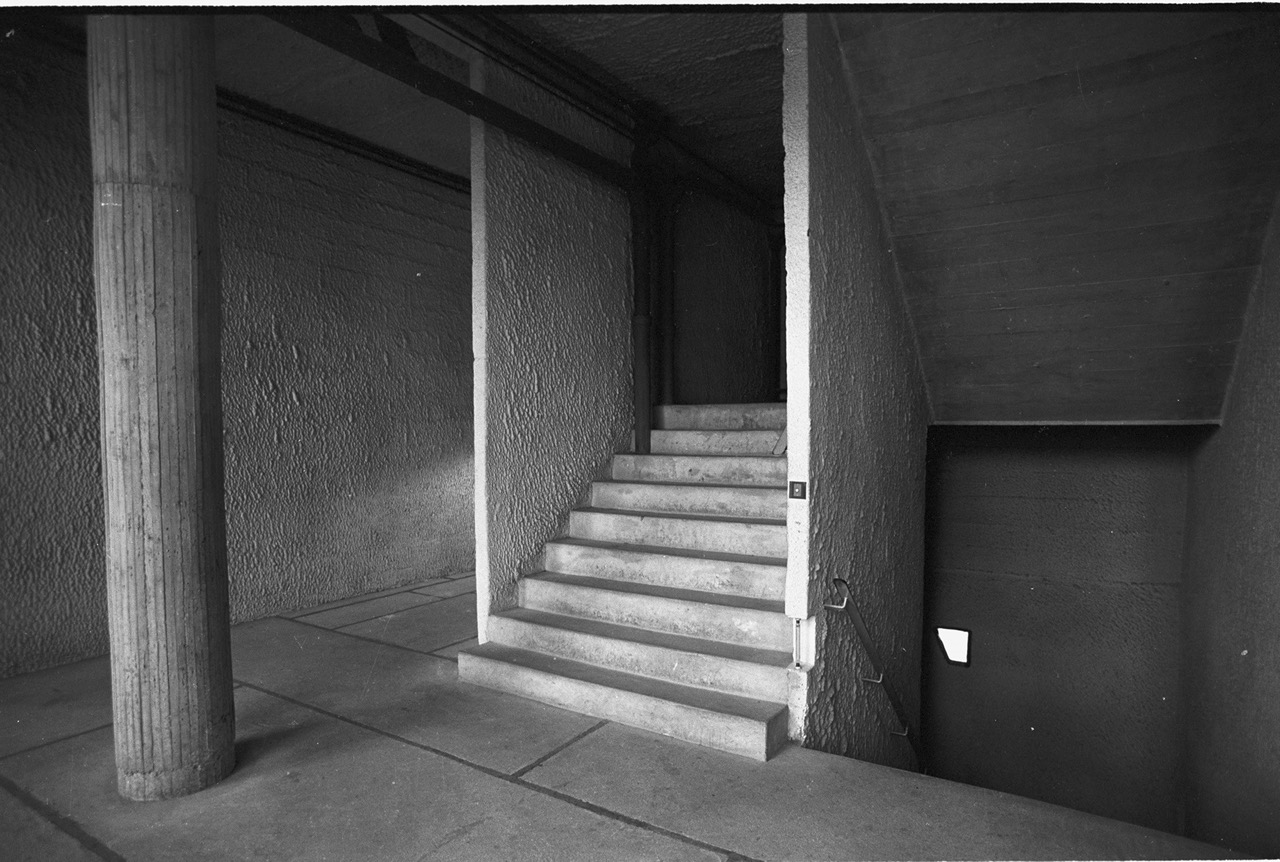
The gap in the façade: the detail that crystallizes the error
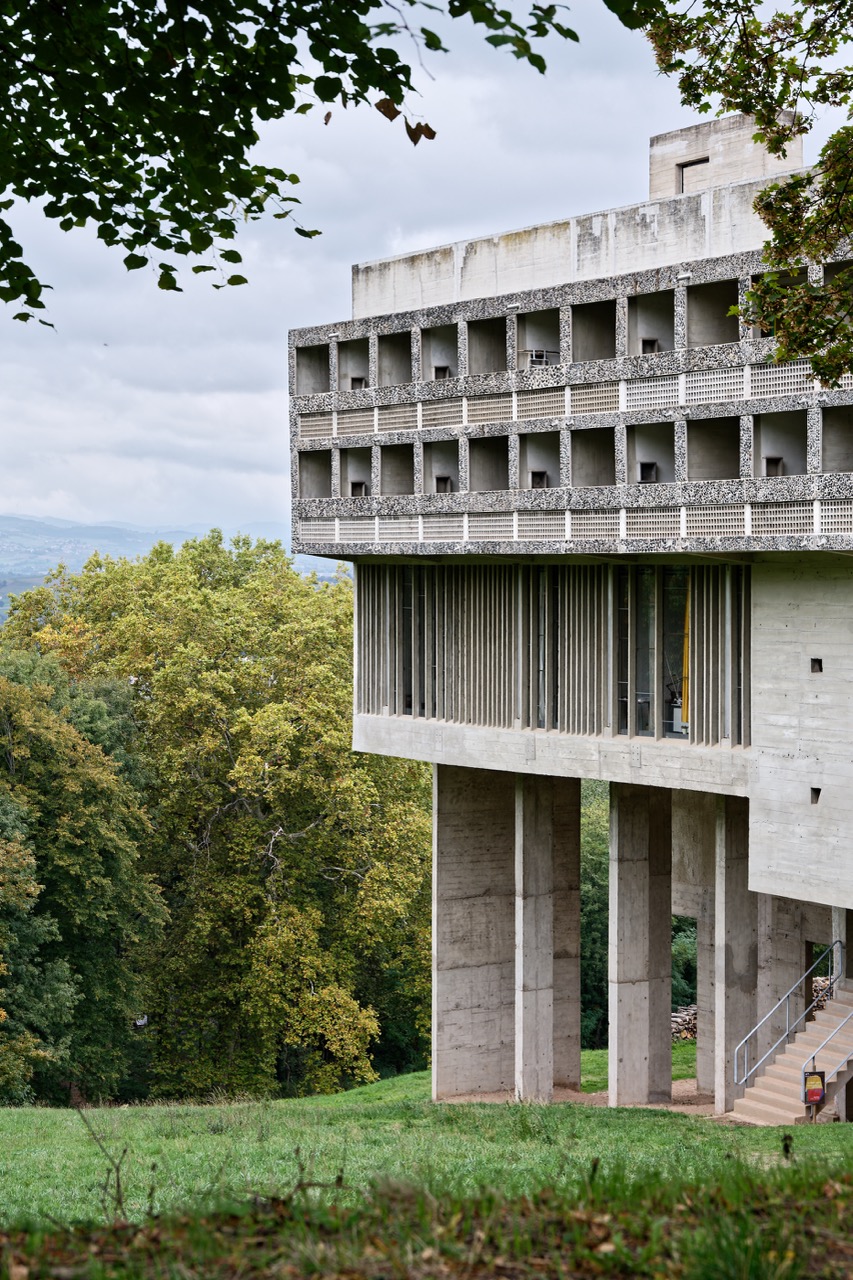
In La fiction constructive, Cyrille Simmonet relates an anecdote concerning the construction of the La Tourette Convent. When he visited the site, Le Corbusier noticed a flaw and wanted to write ‘Man left a trace here’ rather than correct the error. In fact, nothing was written down, but the skylight in question is still there. It is the window above the main entrance. Its unusual trapezoid shape reveals a shift during formwork. It was integrated into the design and possesses the authority of the architect through Le Corbusier’s conceptual gesture. It contrasts with all the other orthogonal and similar skylights to be found throughout the convent.