
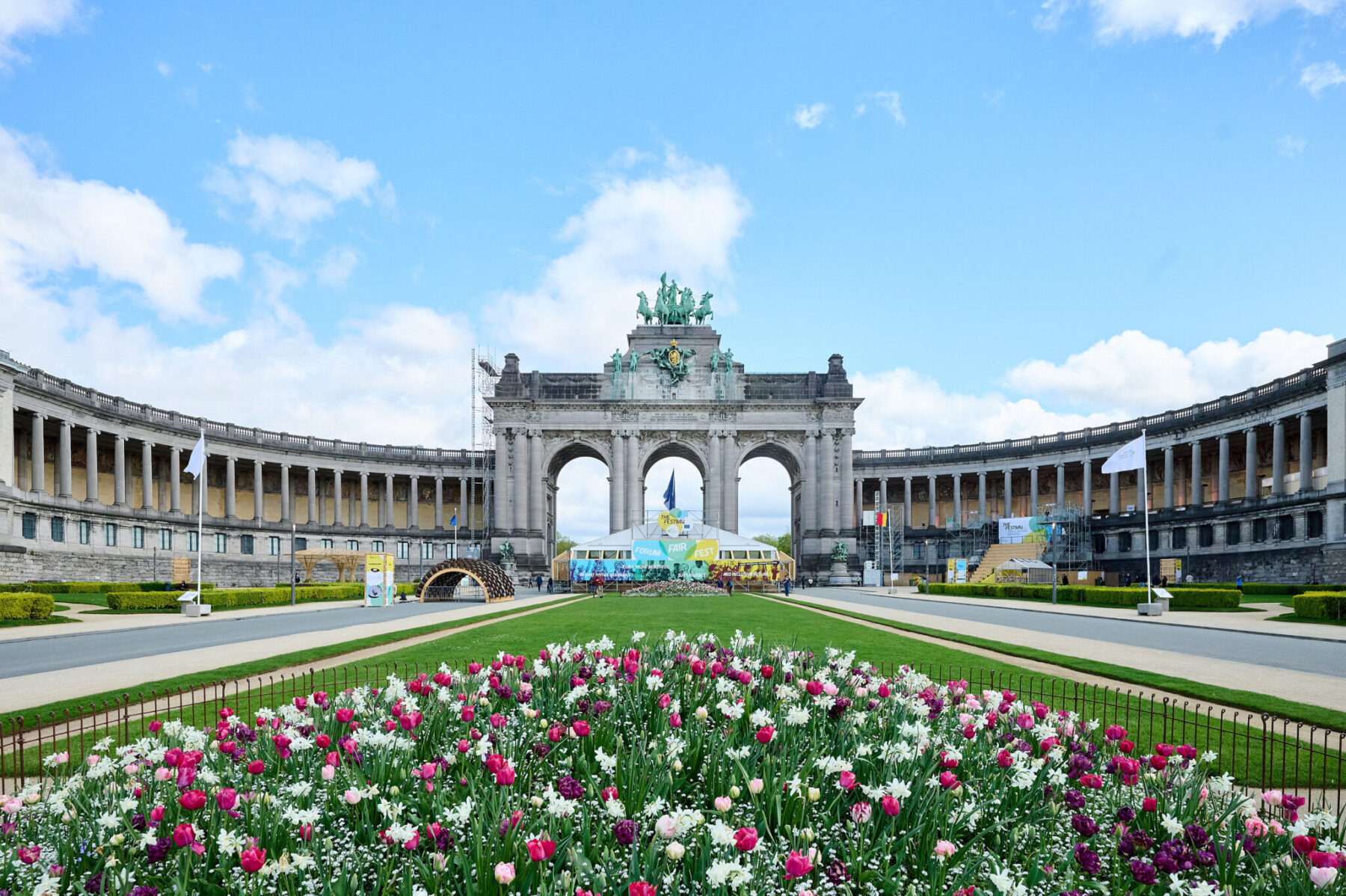
Buildings and public spaces should be designed with their residents in mind. This is the driving idea behind the third edition of the biennial New European Bauhaus Festival, which will take place from the 9 to 13 June in the Parc du Cinquentenaire in Brussels. Through more than 150 workshops, debates, and exhibitions, the festival will explore the main themes of Democratic Commitment and Affordable Housing.
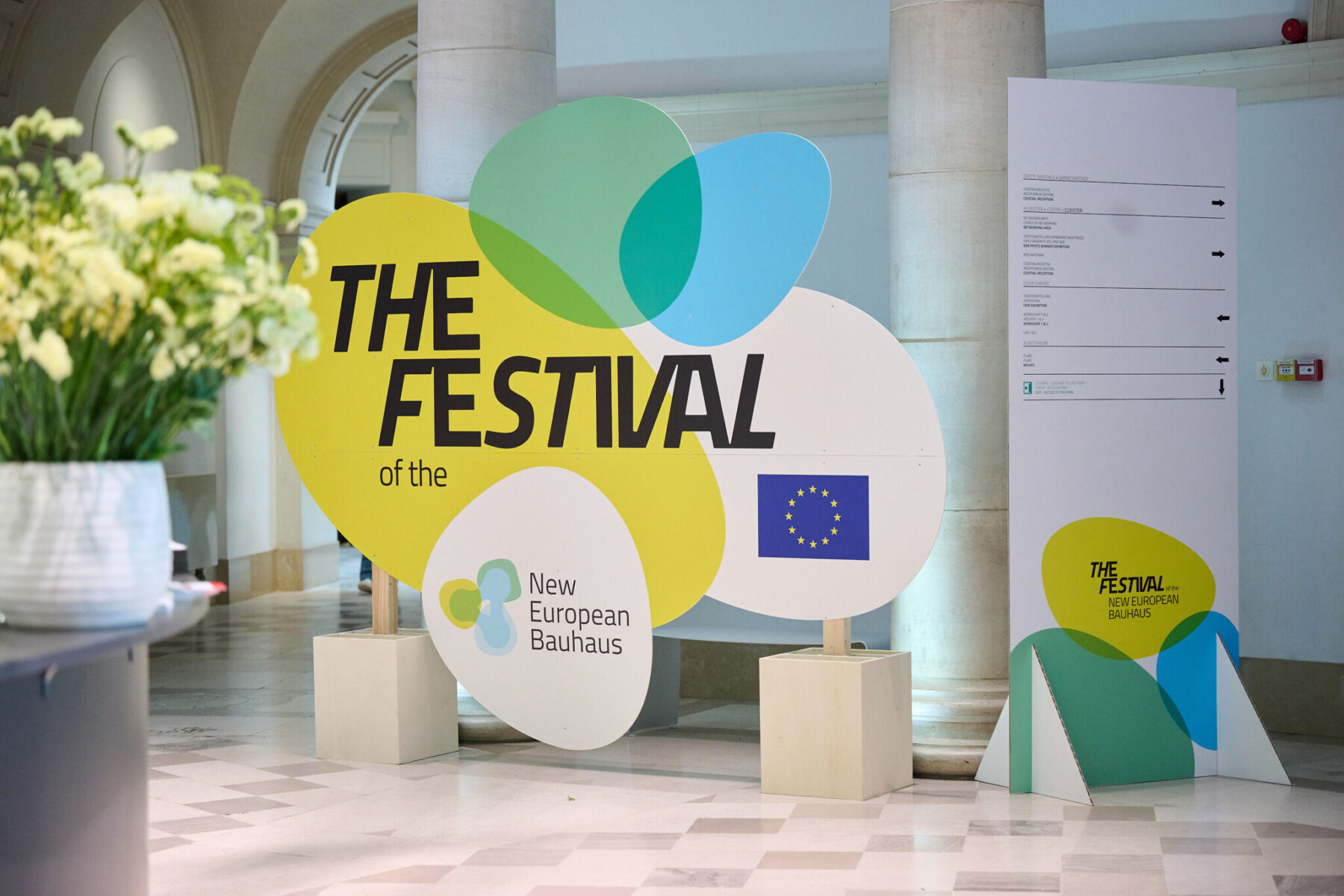
In 2020, the President of the European Commission, Ursula von der Leyen, announced the launch of the New European Bauhaus (NEB). The name refers to the German Bauhaus school, which sought to bring together the arts, industrial production and craftsmanship into a single whole: the Gesamtkunstwerk. Functionality took precedence, and there was a strong belief that good design should be accessible to everyone. A hundred years later, the NEB aims to translate the European Green Deal into concrete projects through the same kind of interdisciplinary collaboration.
Sustainability, beauty and inclusivity are the three core values that serve as a guiding principle for architects, policymakers, citizens and researchers. Sustainability encompasses the goals of adaptive reuse, regenerative design and a circular construction economy. Beauty connects people through the enjoyment of a space and harnesses the inherent cultural, social and natural qualities of a place. In A+319 Reclaiming Beauty, which will be published on 28 September, the editorial team at A+ explores how aesthetics is repositioning itself in architectural practice. Finally, inclusivity goes beyond accessibility. It is also a way of consolidating cooperation within and between communities, and of inspiring new ways of living together.
Among the speakers, German architect Anna Heringer stands out. She is a pioneer in participatory projects that draw on local craftsmanship. Together with schoolchildren, teachers and craftspeople, she built the METI Handmade School in Bangladesh using clay and bamboo. In 2007, the project won the Aga Khan Award for its simple and people-centred approach, characterised by a high degree of collaboration between architect, craftsmen and users. At the festival, she will speak about the transition to a climate-neutral and circular construction economy, which must also remain competitive.
Closer to home, BC Architects are leaders in the field of bioregional architecture. Co-founder Laurens Bekemans will give a talk on sustainable and resilient landscape design and biophilic architecture. The office of Government Architect is another strength of Belgian architecture. Brussels Government Architect (BGA) Lisa De Visscher helps oversee the spatial quality of urban development projects in Brussels. In a panel discussion, she will explore how empirically grounded design creates inclusive and nature-positive spaces. A final Belgian speaker is Jochem Daelman of Onkruid, the team which founded Horst Arts and Music. His keynote speech draws on that experience to demonstrate how temporary architectural interventions, artistic interventions and collective building processes transform underused sites into vibrant cultural spaces.
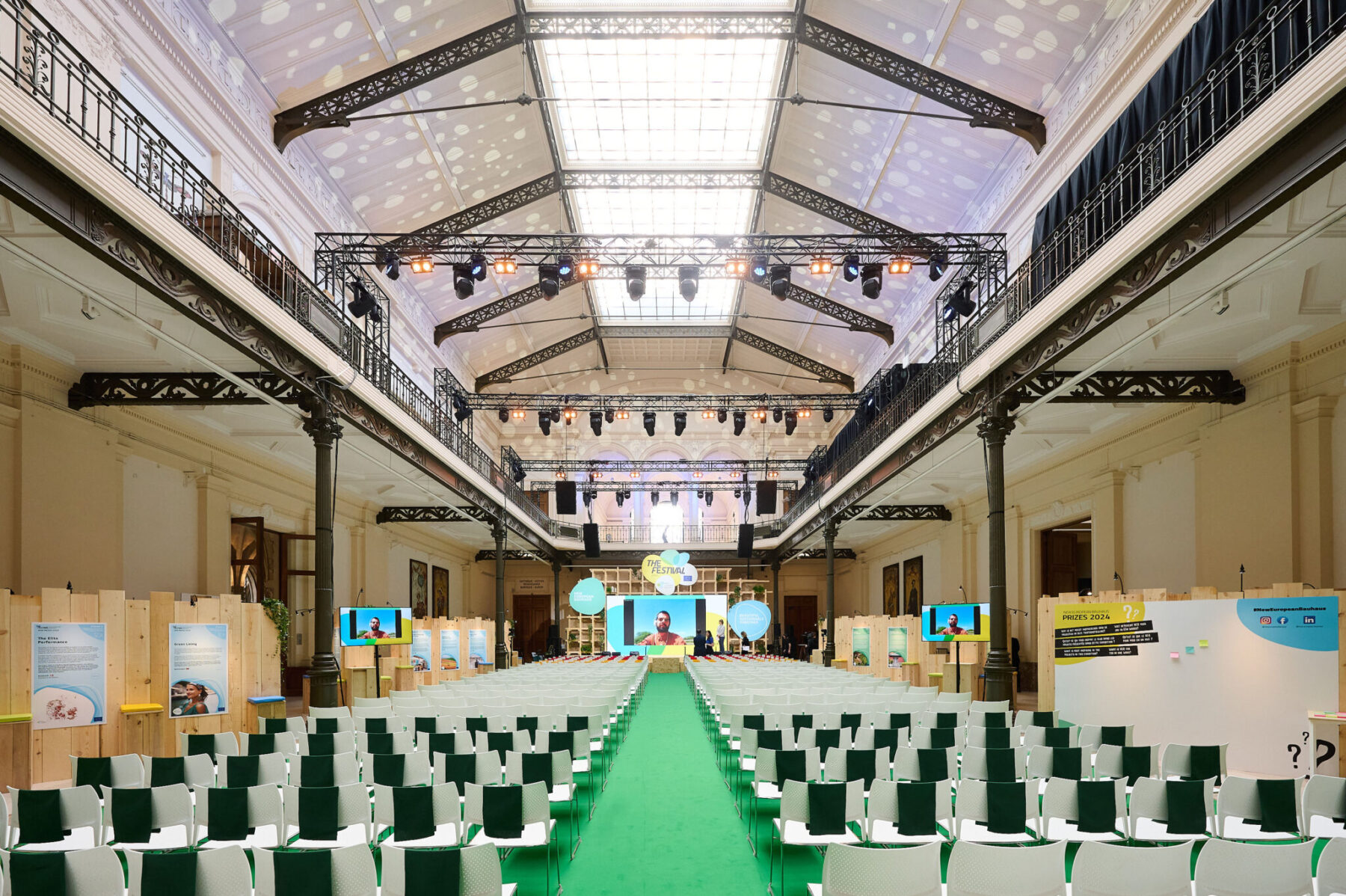
If we are to build a sustainable, aesthetically pleasing and inclusive environment, we must do so in an interdisciplinary manner, by joining forces and involving stakeholders from all walks of life. It is clear that Belgian architects are not mere spectators but are actively shaping this approach. The New European Bauhaus Festival offers an opportunity to reflect with them on the future of European architectural practice.
