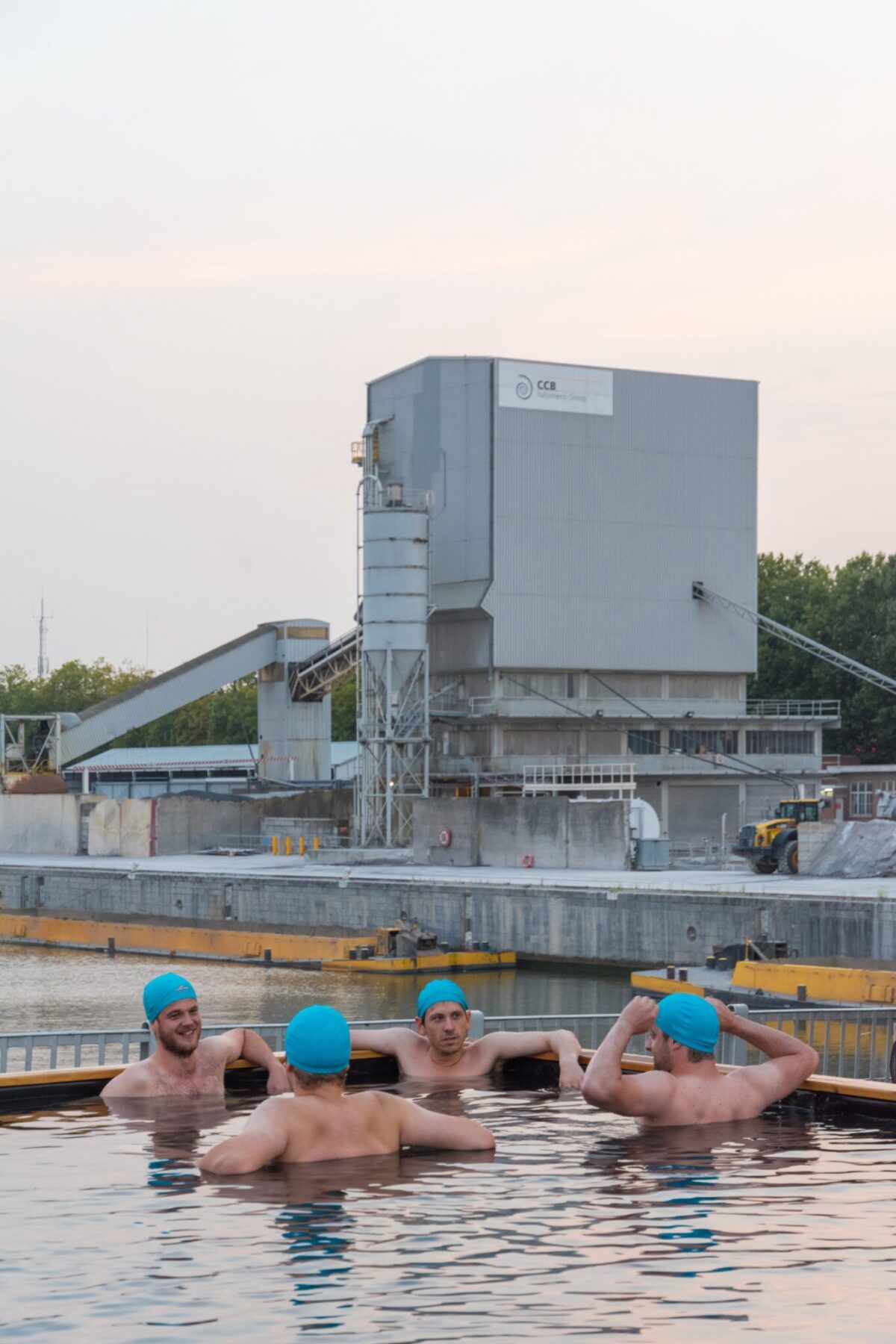
#Bruxellesmabelle. If you believe Instagram, thousands of people think Brussels is beautiful. Only not always without irony, because in addition to the obligatory sunset over the Palace of Justice that rises above the city centre or the idyll of a summery pop-up bar, you will also find drab images of poverty, litter and traffic jams. It’s common knowledge that Brussels is as attractive as it is unpleasant. While thousands of commuters from Flanders and Wallonia enjoy working in the city, they’d never want to make it their home. Most European officials only come to work in the capital for a limited period. (Trans)migrants come and go. The population is growing rapidly (20 per cent in ten years), but the territory is limited and constricted. Every year, countless families migrate to the ‘Vlaamse Rand’, the Flemish periphery. There’s plenty of movement, except on the Ring road, which is always at a standstill. We know all this: it’s the backdrop to everyday life for Brussels residents. But this is not what this issue is about.
The first special issue of A+ is dedicated to Brussels because of the rich stratification of the city, the only one in Belgium with a metropolitan character. And because, in the light of the above, the Brussels-Capital Region is firmly committed to finding spatial solutions: not just for tackling territorial development, but also for the demographic, social and economic challenges it faces. Because there is thinking at a higher level, once again, about the strategic projects that make the city. Because people dare to talk about spatial quality as an antidote to economic and political interests. Because subjects such as the circular economy and temporary use are given a prominent place at international real-estate fairs like mipim.