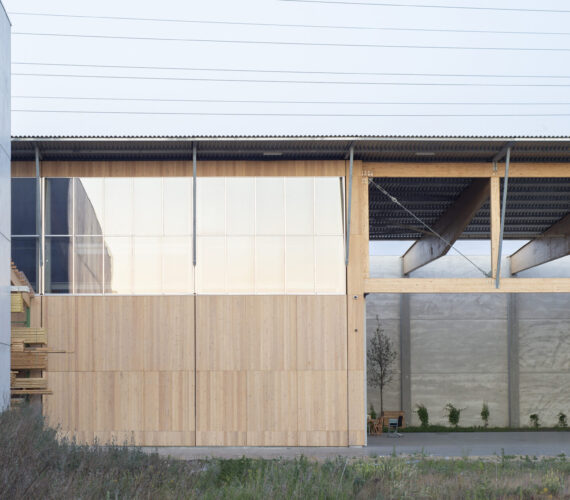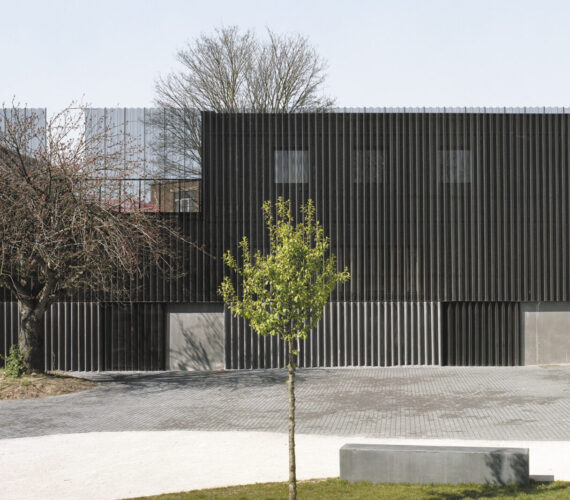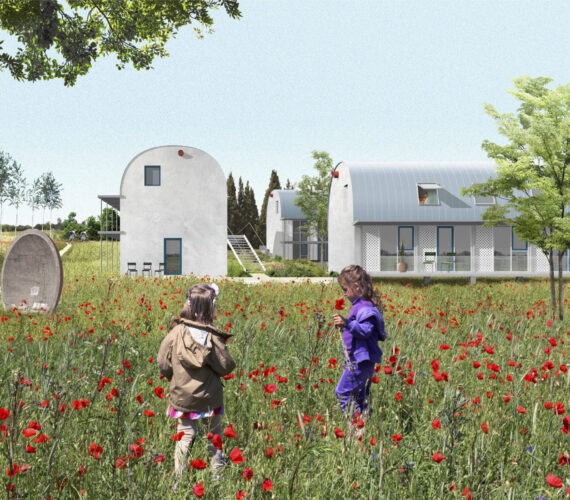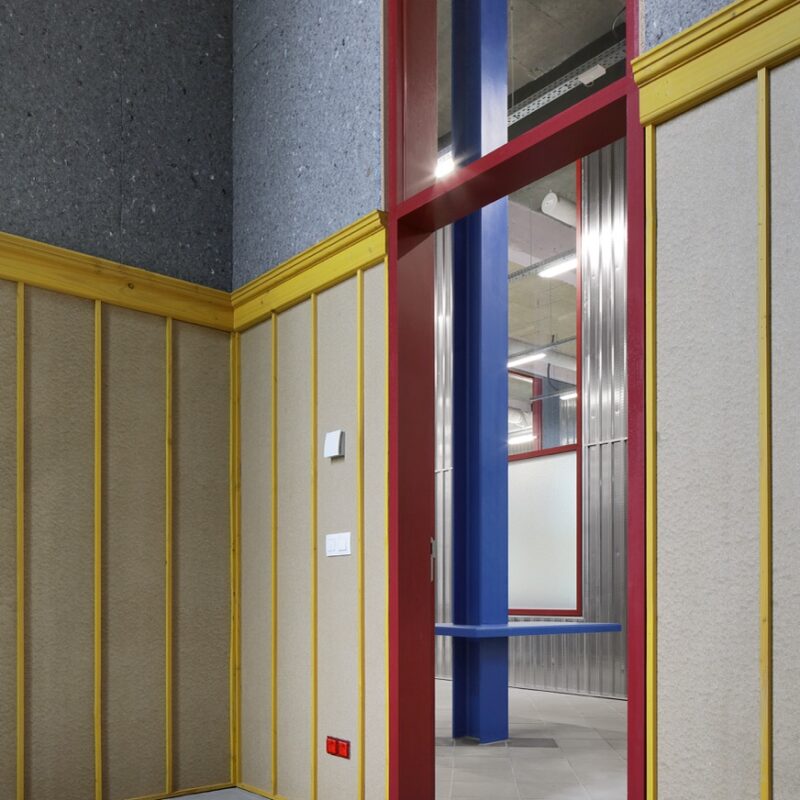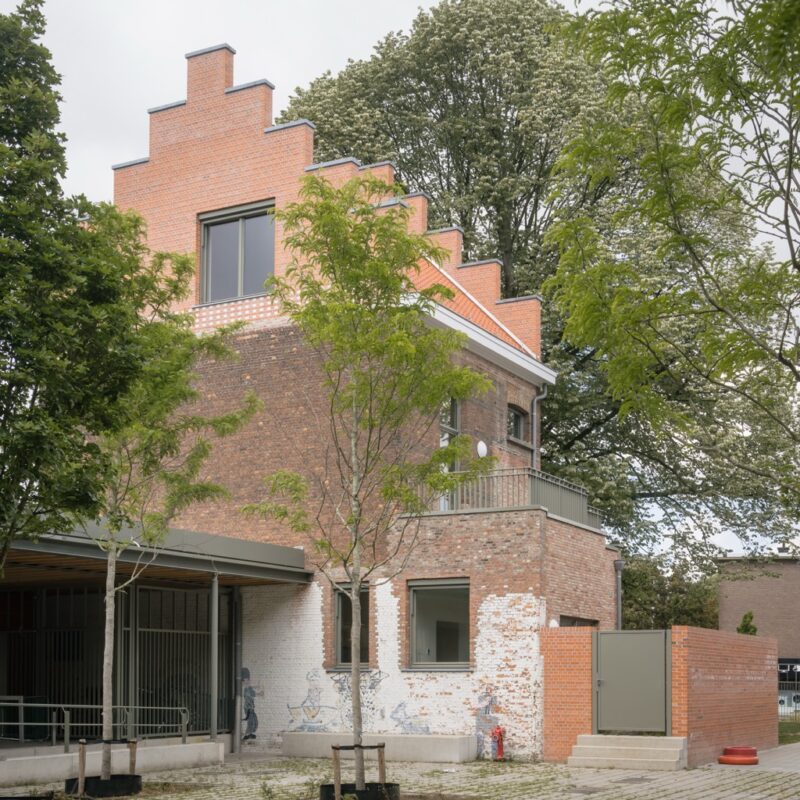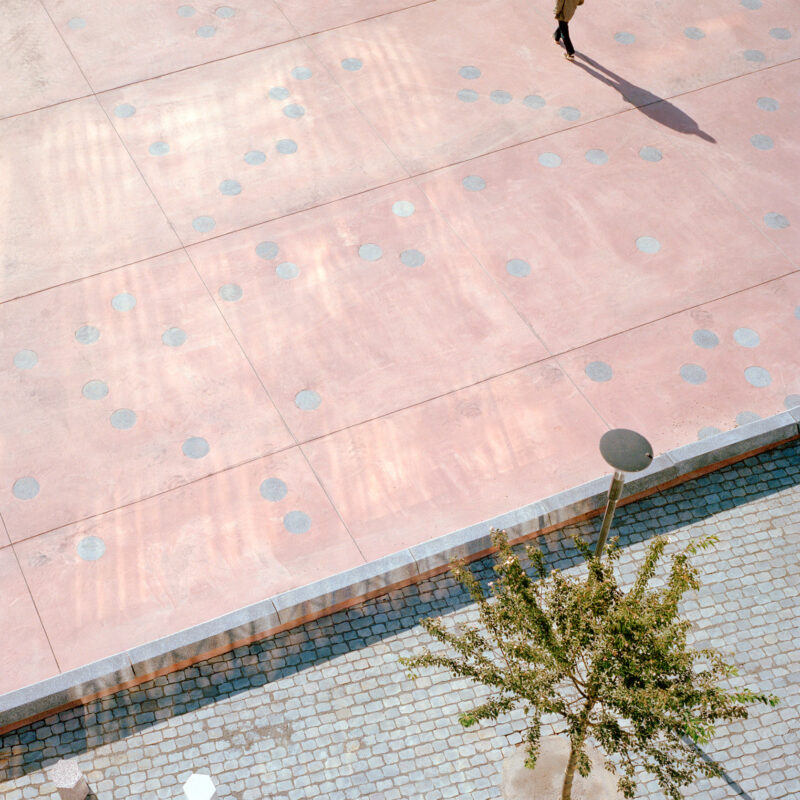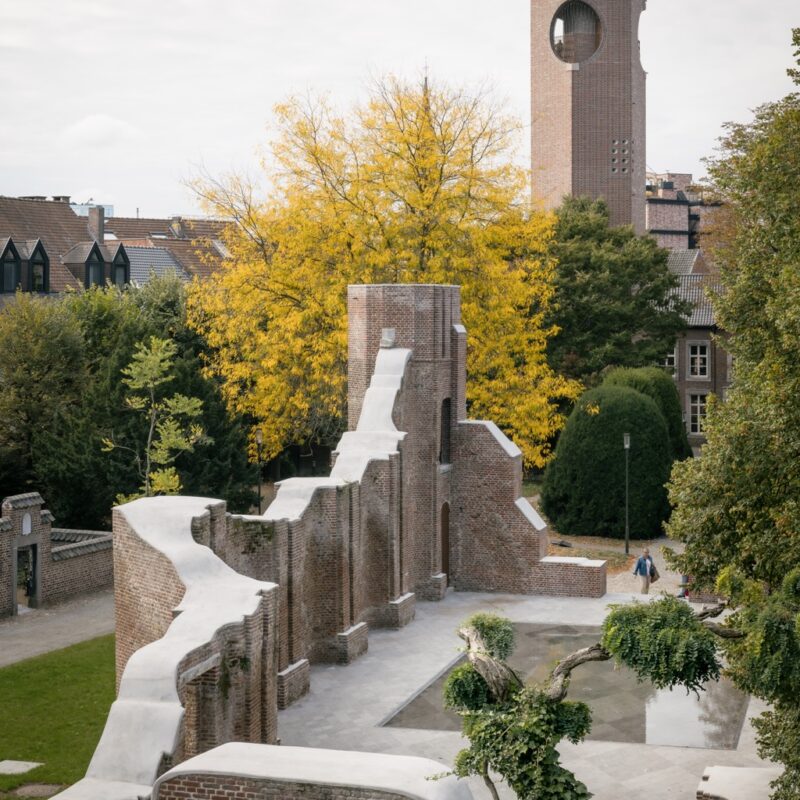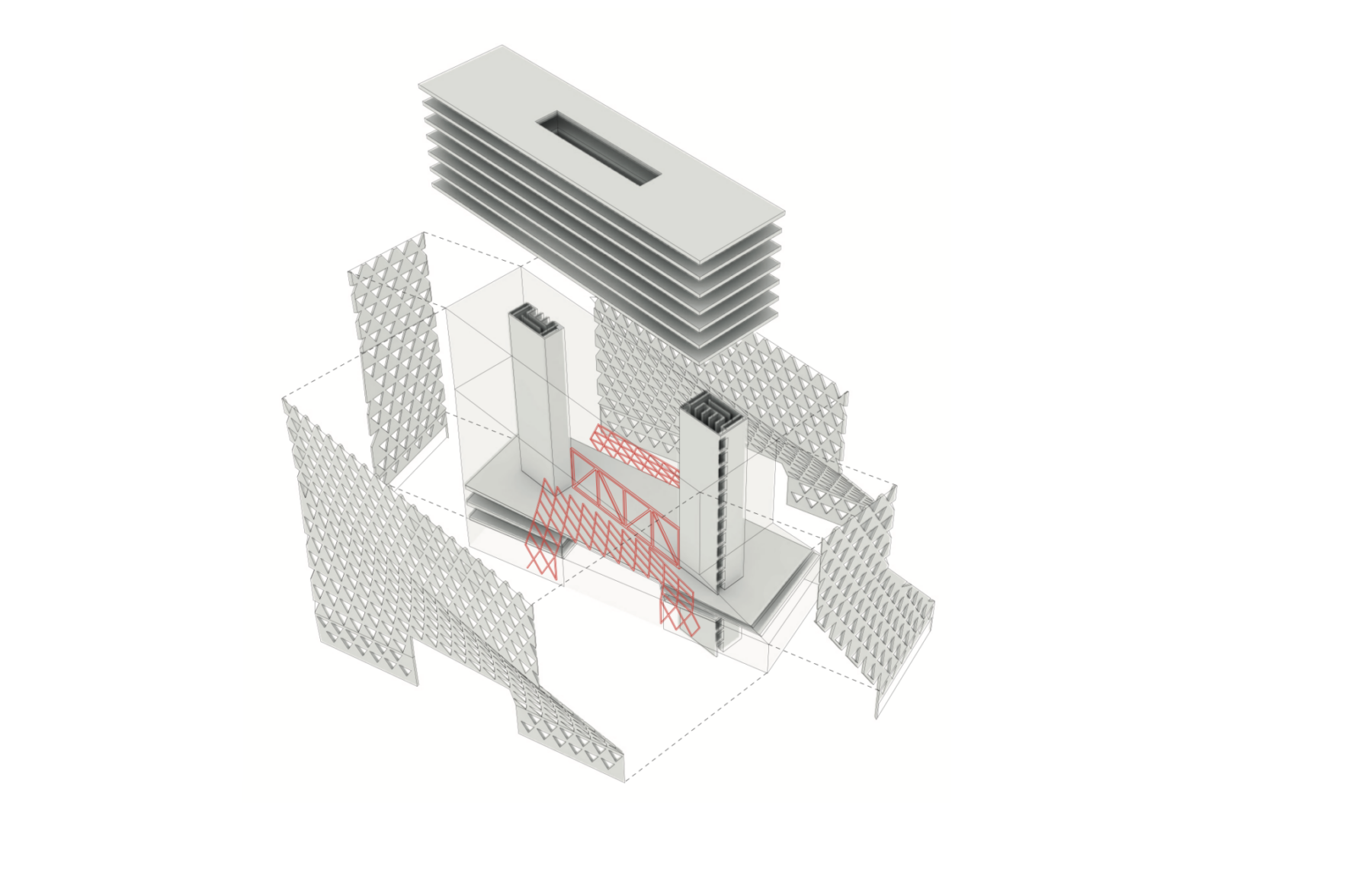
According to the Austrian architect Dietmar Eberle, a building’s life expectancy can be divided into five time frames. First comes the site selection and the building’s relationship to public space and infrastructure. These should last between 200 and 300 years. Next comes the load-bearing structure and vertical circulation, with a lifespan of around 100 years. The façade usually needs replacing after an average of 50 years, although some materials, such as natural stone or brick, naturally last considerably longer. The building’s use – including the layout of the floor plan, as well as the technical systems – usually lasts only one generation, i.e. 25 to 30 years. Finally, there are the finishes and furnishings, which need replacing after 15 years at most.
If you follow this line of reasoning, you can understand why some office towers or housing developments are demolished after just 30 years. It is often not just a financial operation; at its core lies a conceptual flaw. After all, they were designed quickly, entirely with a limited and single-purpose use in mind. Even if their load-bearing structure can still last for years for structural reasons, a lack of generic quality ultimately means they become obsolete too quickly.