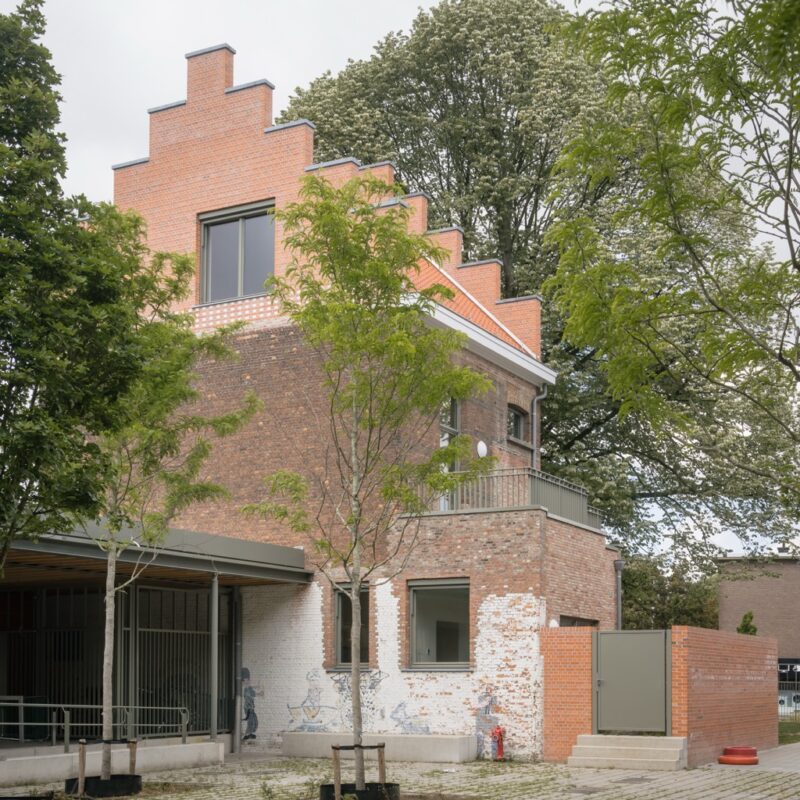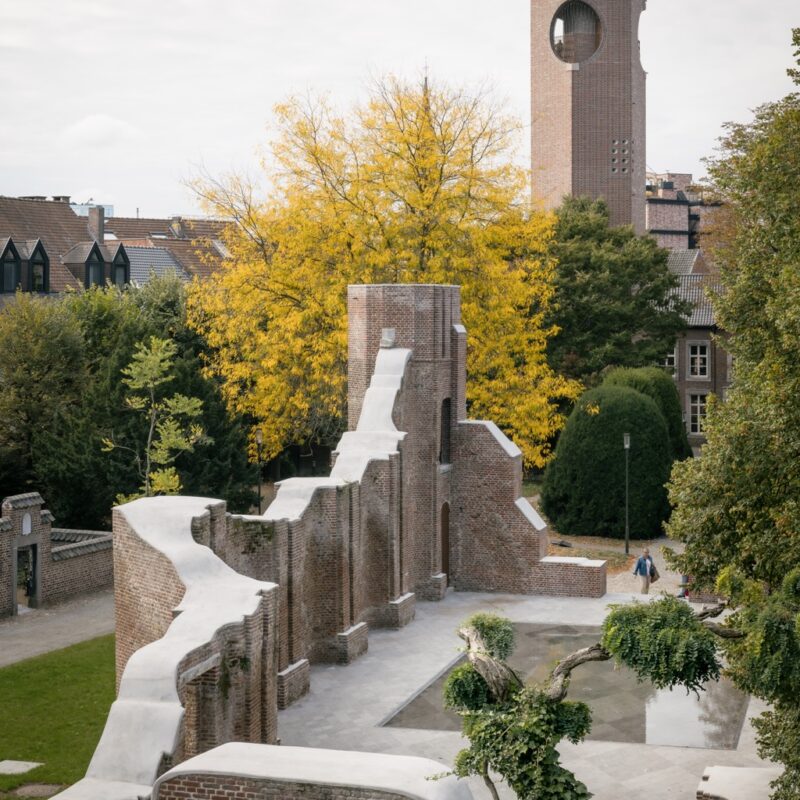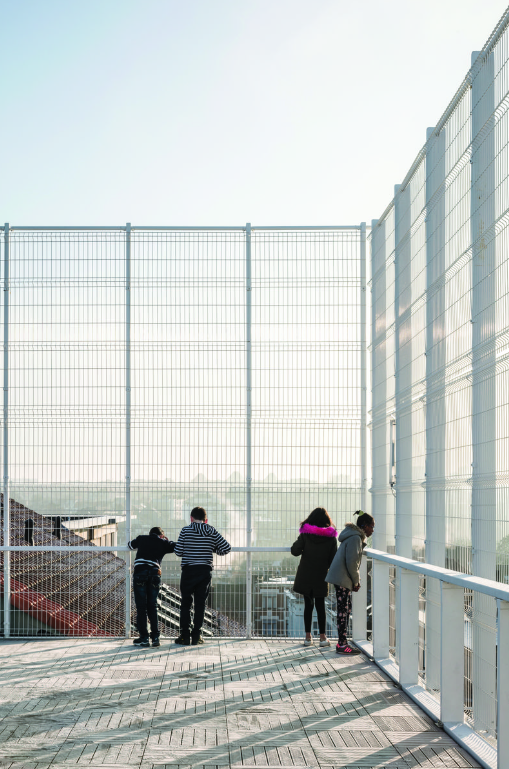
At the start of each new school year, there is traditionally a heated debate about the future of education. This year was no exception, and with good reason. According to PISA reports, the standard of education in French-speaking Belgium has been languishing at the bottom of the list of Western countries for years. Flanders, which was still among the absolute best in the world in terms of educational performance in 2003, is falling behind with every new study. Flemish Education Minister Hilde Crevits responded last spring by announcing new reforms that will come into effect this month, as well as a lot more resources. In the French-speaking community, the pacte d’excellence was launched before the summer, which, among other things, restricts the number of pupils repeating a year thanks to better support for each pupil. On top of the poor PISA scores, there is a dire shortage of teachers, squabbling between the education networks and a growing capacity problem.
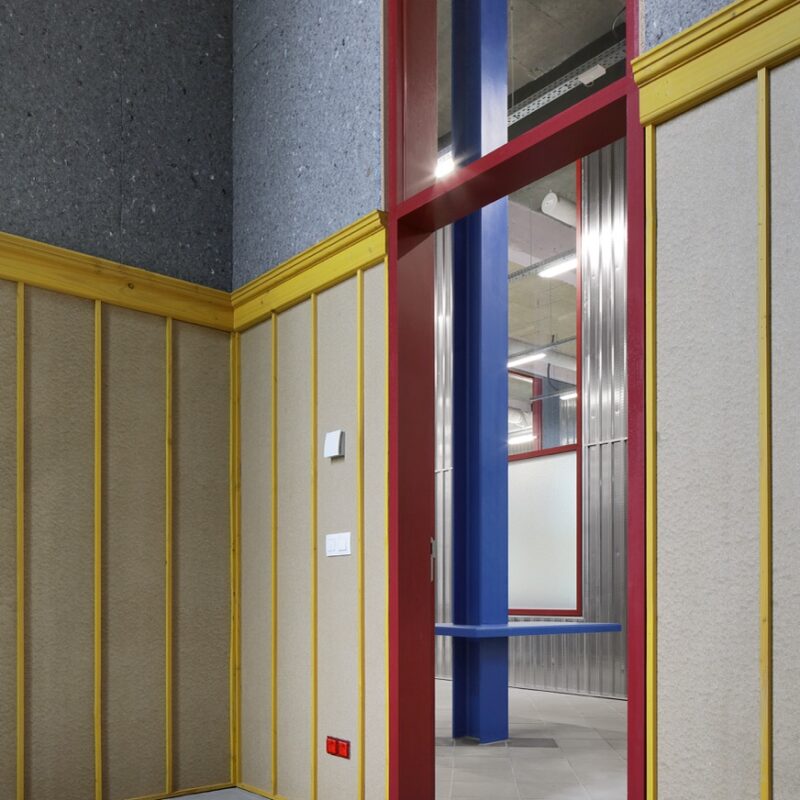
To address the latter problem, a catch-up programme was launched several years ago, resulting in the construction of hundreds of schools. The ‘Schools of Tomorrow’ programme, a public-private partnership supervised by the Flemish Government Architect’s team, is providing new, high-quality buildings in Flanders. Progress is also being made in Wallonia, and in Brussels, where the shortage of places is most acute, the Brussels Government Architect is supervising the procedures for both Dutch-speaking and French-speaking schools.