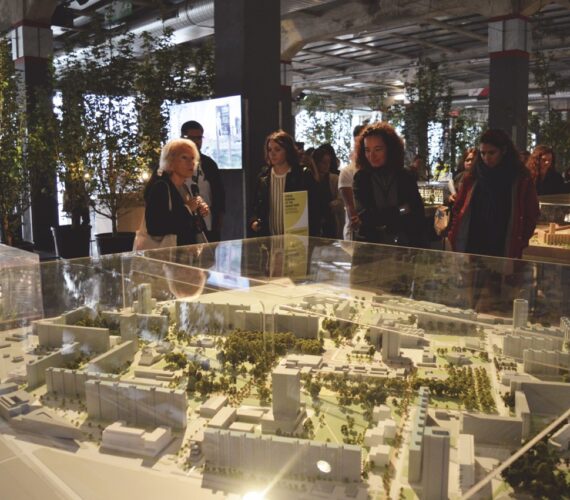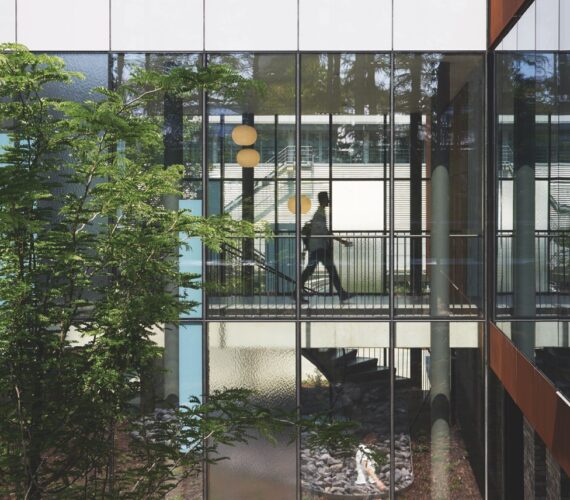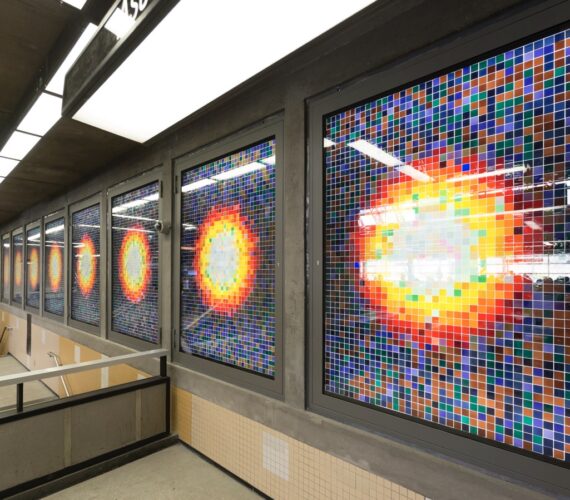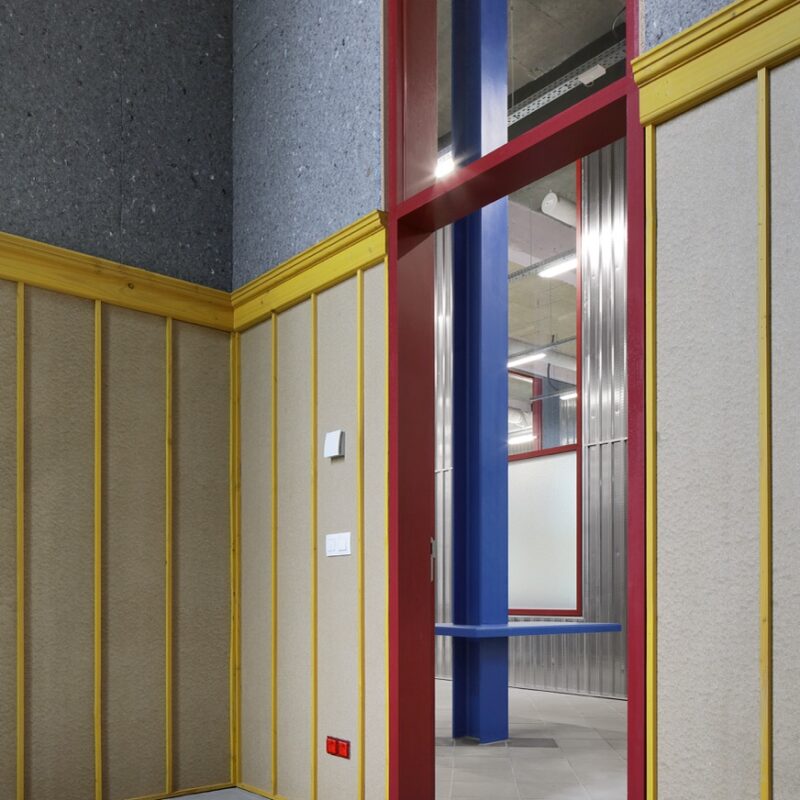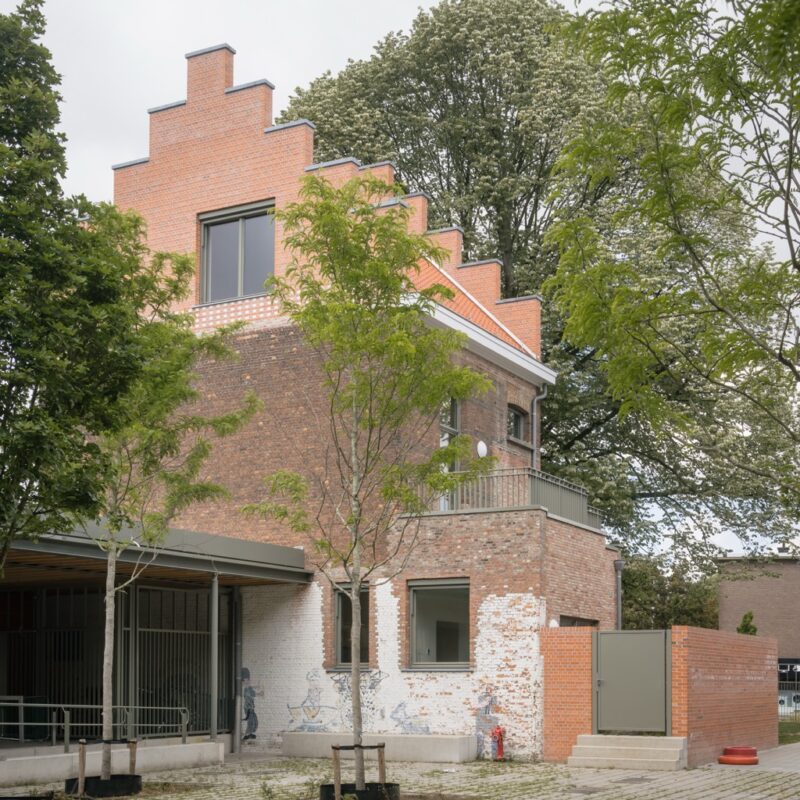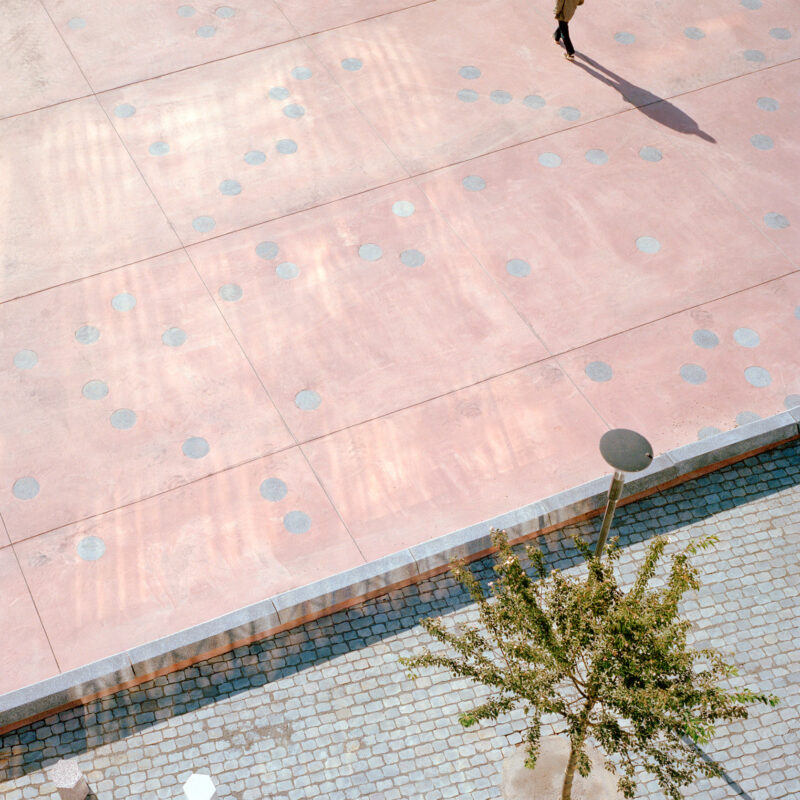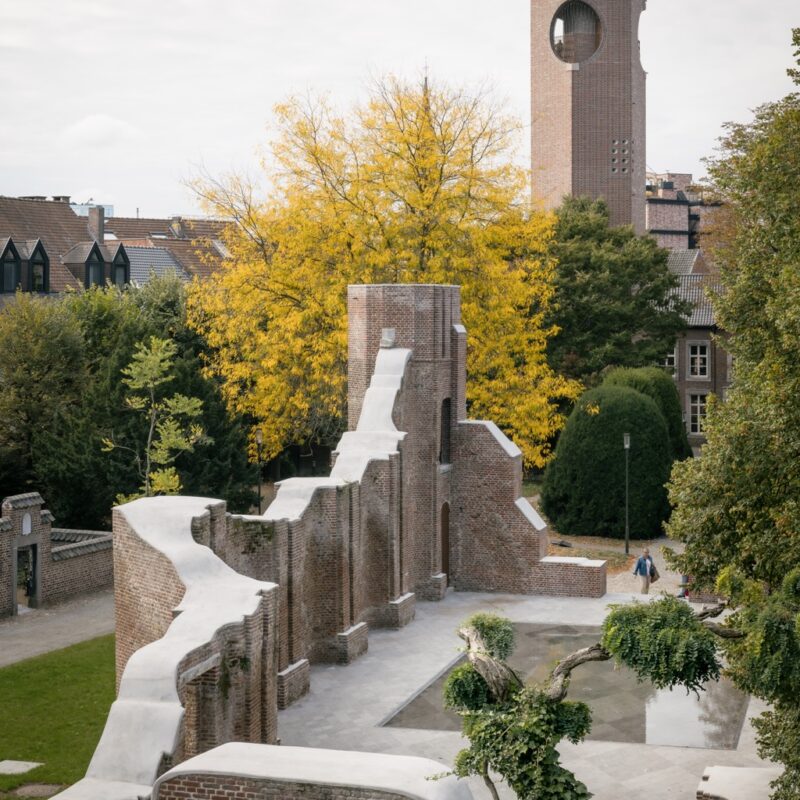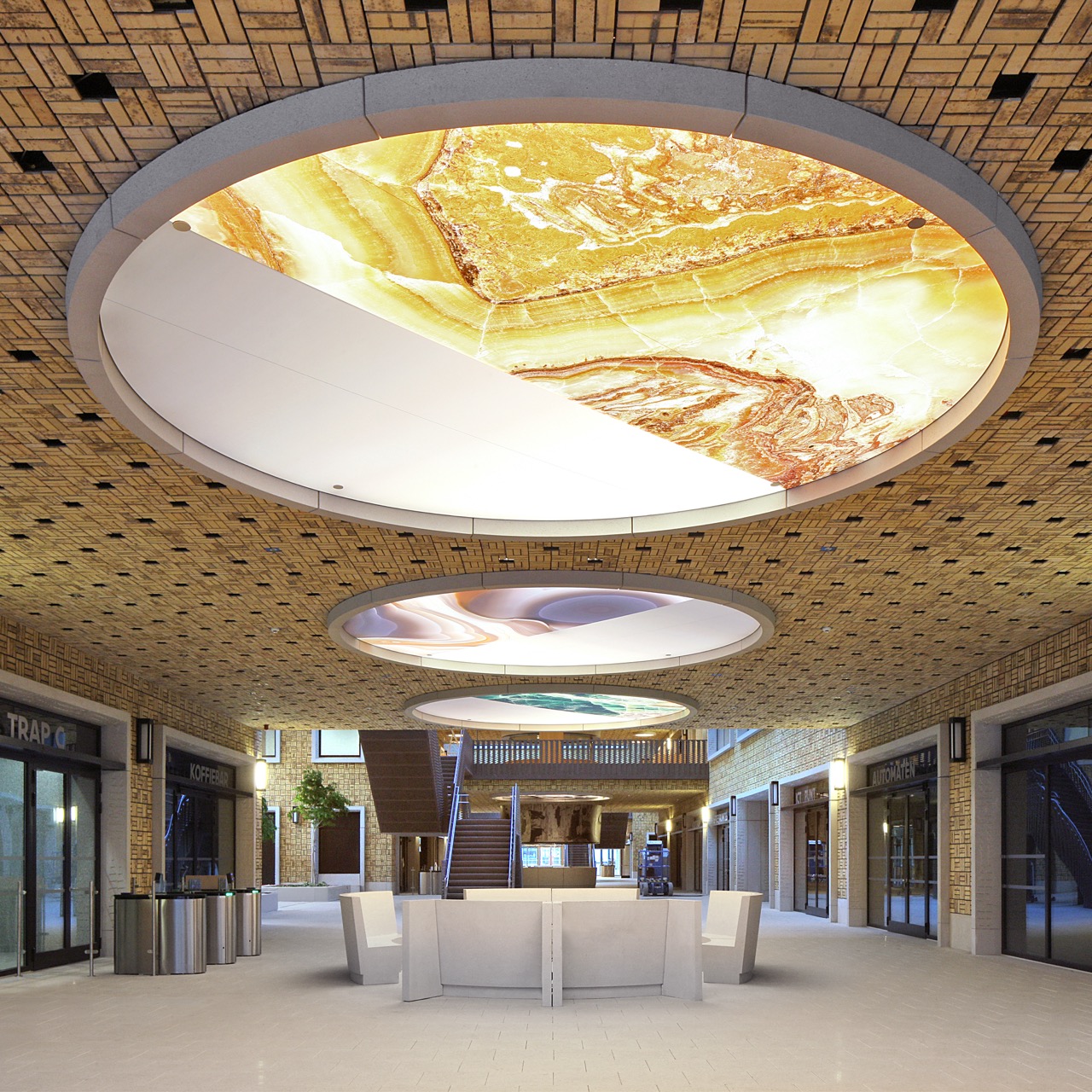
In a recent interview 1 Willem Jan Neutelings states that “the integration of art enables people to form a connection with the building more quickly. You don’t get that in a glass tower. You cannot develop a connection with a white wall. It says: I am not here. That creates an uncanny feeling.” The integration of art – or any form of decoration – into architecture is nothing new. People have undoubtedly always adorned their homes, palaces, churches or meeting places to give them a more human face and a special cachet. Art is much more than a way of showing a building in its best light: art completes it, transcending the architecture. The fact that the word ‘art’ is difficult to define also plays a role here. The term originated in the West during the Renaissance. Initially, the Greeks spoke of ‘tekhne’, which means art, but also craft. The Romans spoke of ‘ars’, which also implies work, craft and the guilds. That relationship between art and architecture remains of fundamental importance. 1 bruzz, dated 20 September 2017, an interview with Willem Jan Neutelings by Laurent Vermeersch.
It is certainly a recurring topic in our editorial office: it was previously discussed in A+ 133 (1995) and A+ 195 (2005), and today it is back on the agenda once again. The update to the decree concerning the integration of works of art into renovation projects in the two Communities provided an interesting opportunity to explore the theme in greater depth. Most of the sections in this issue – In the picture, Zoom out, Fundamentals, Guests – are devoted to the theme of ‘Dis-play’ and highlight the diversity of various forms of commissioned art, as well as the political, social and cultural aspects that these initiatives entail.