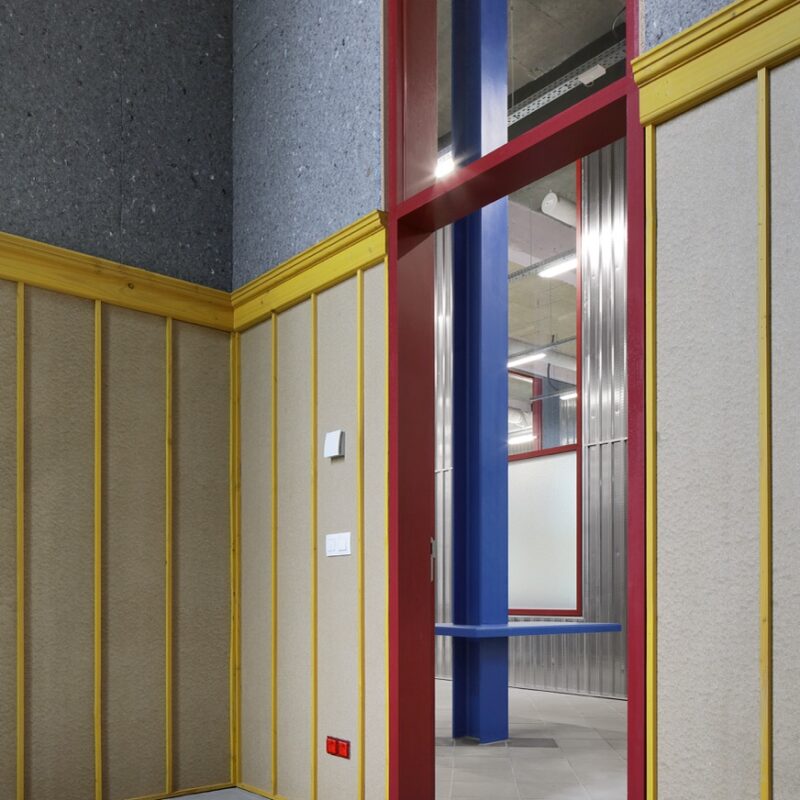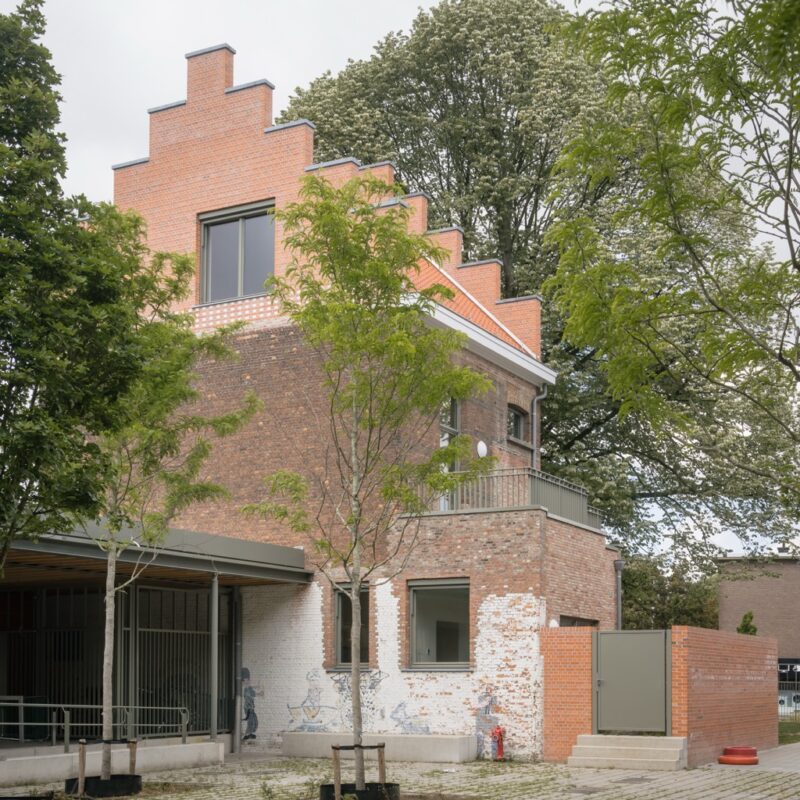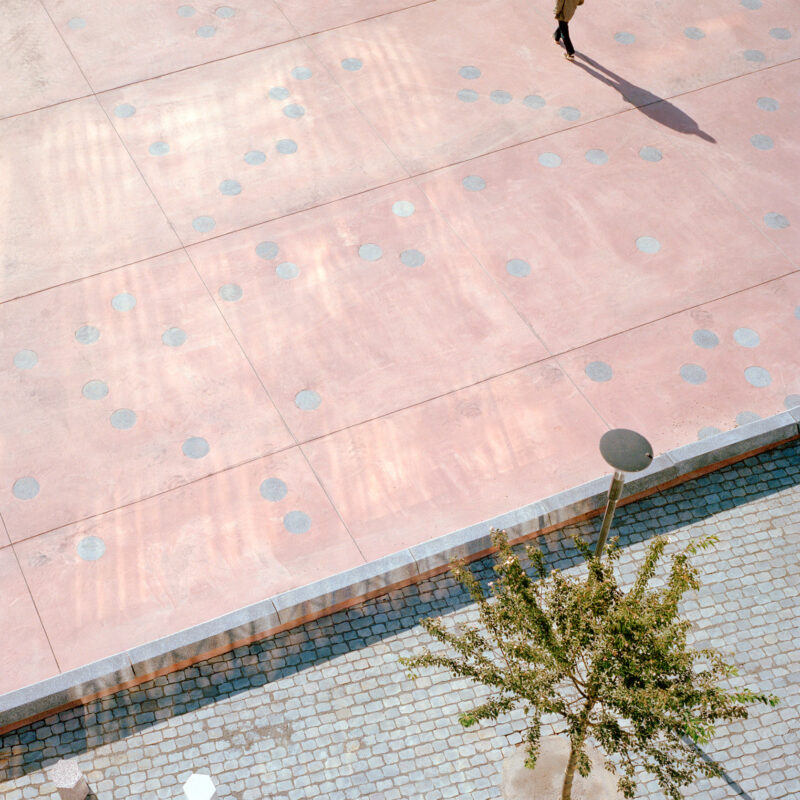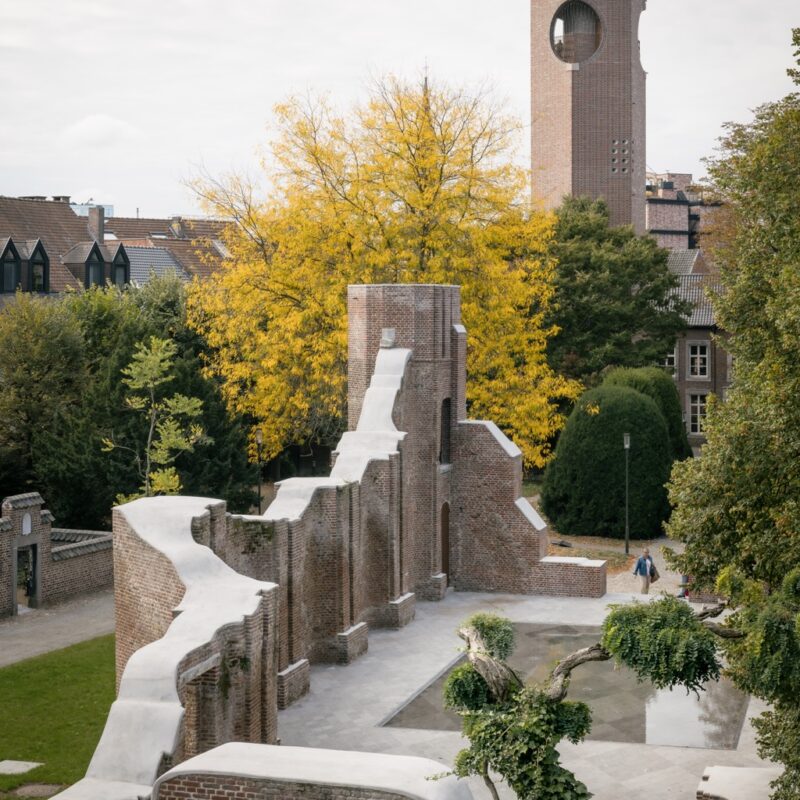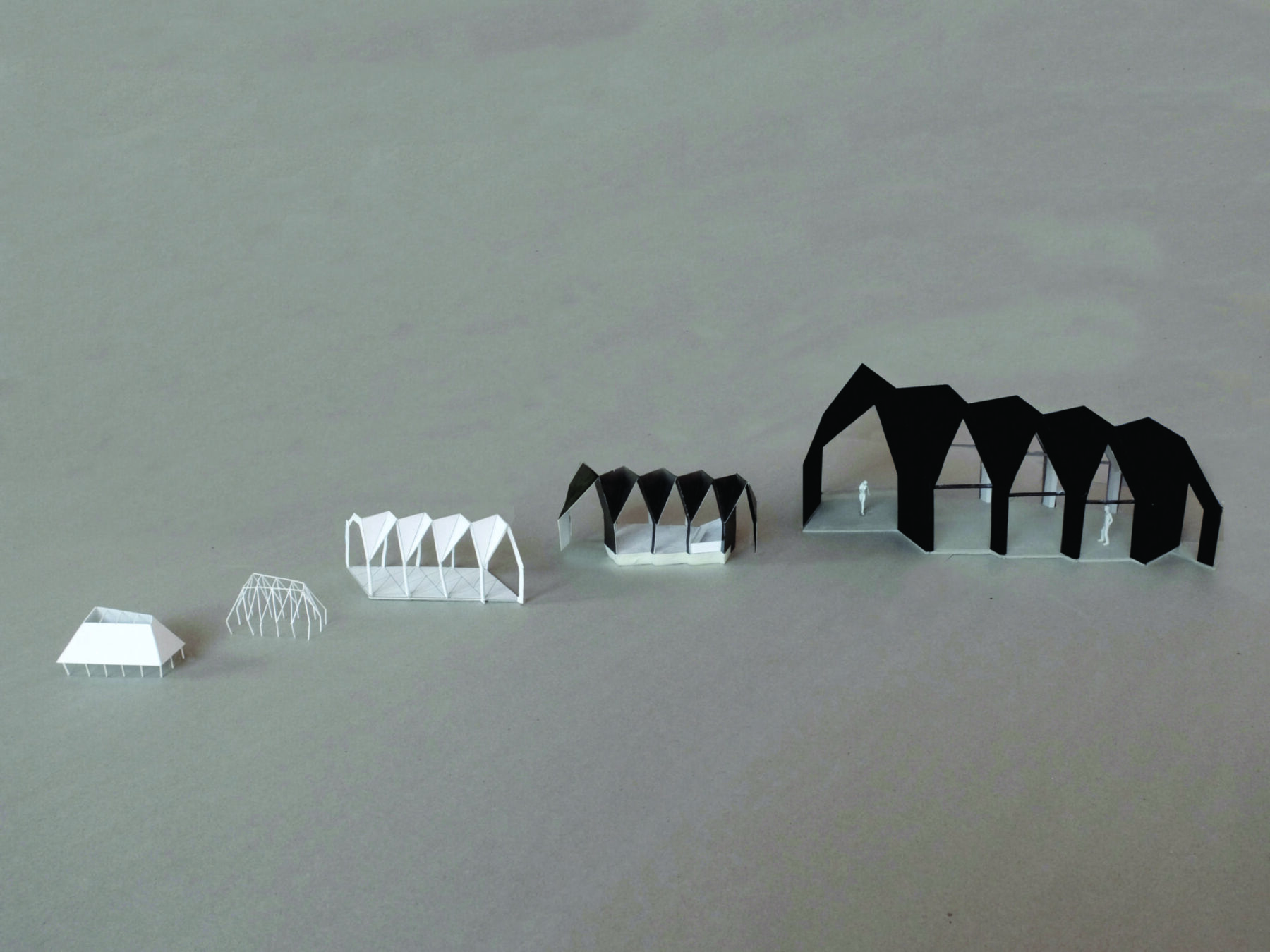
As Bruno Latour and Albena Yaneva once wrote, the problem with buildings is that they seem so hopelessly immobile. Yet everyone knows – and architects know this best of all – that a building is not a static object, but a work in progress. The building is a snapshot in time, preceded by endless variations and alternative design proposals, and followed, after completion, by a process of use, renovation and demolition. Two recent projects by noAarchitecten – the Gruuthuse Museum in Bruges and the City Campus of Hasselt University – offer an insight into the complexity of the design process and the role architects play within it.
When we look at buildings in the pages of architectural magazines or as glowing pixels on a screen, we usually see, above all, the image of a fixed form. Consequently, an architect’s work is judged almost exclusively on the basis of the finished building, conveniently overlooking the fact that a multitude of parties – clients, contractors, residents, politicians – are all involved in the decision-making process.