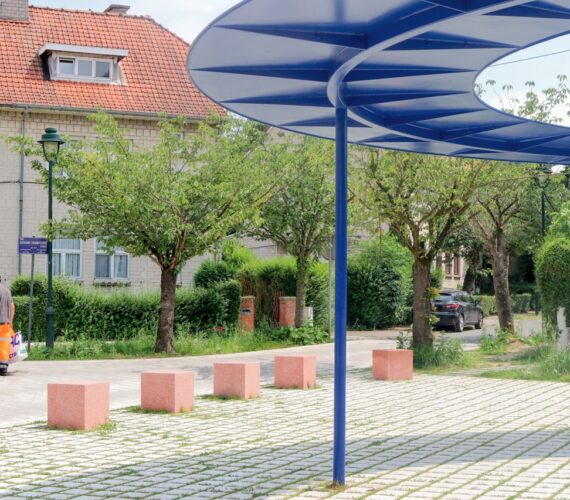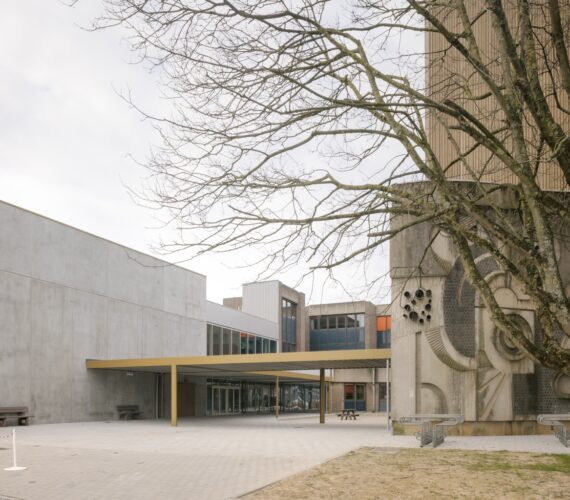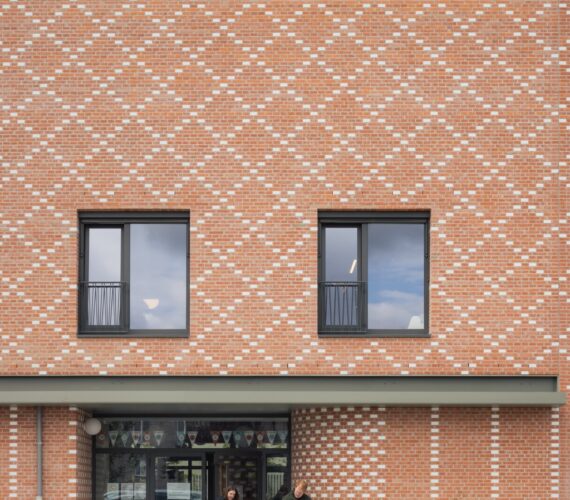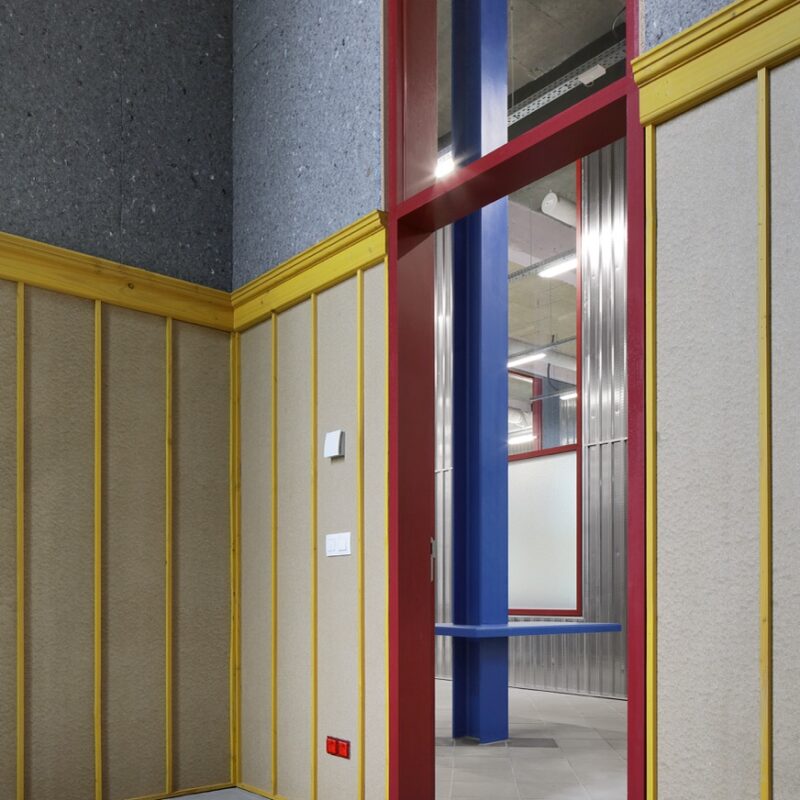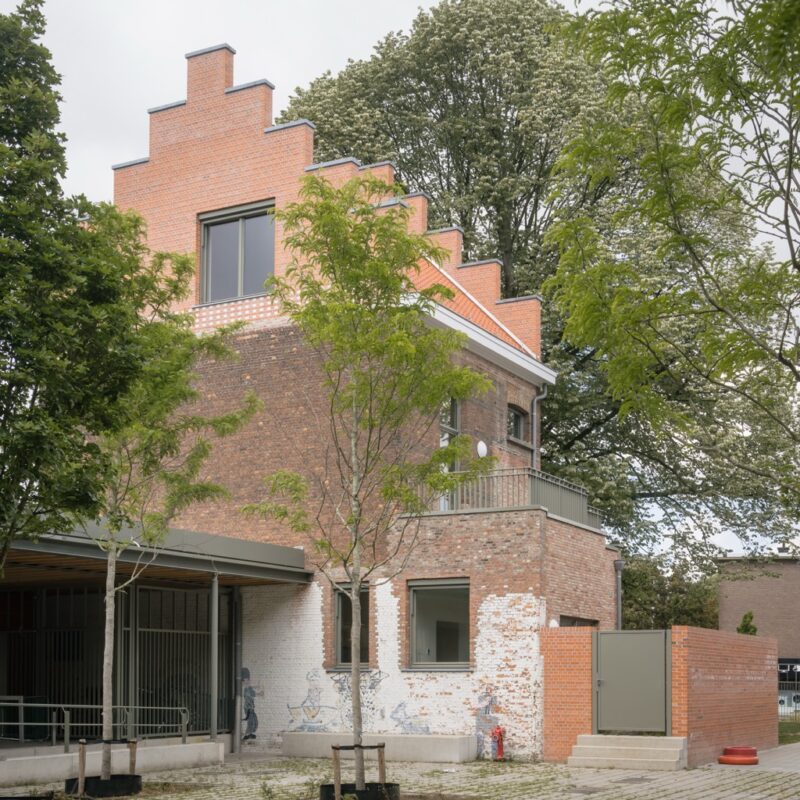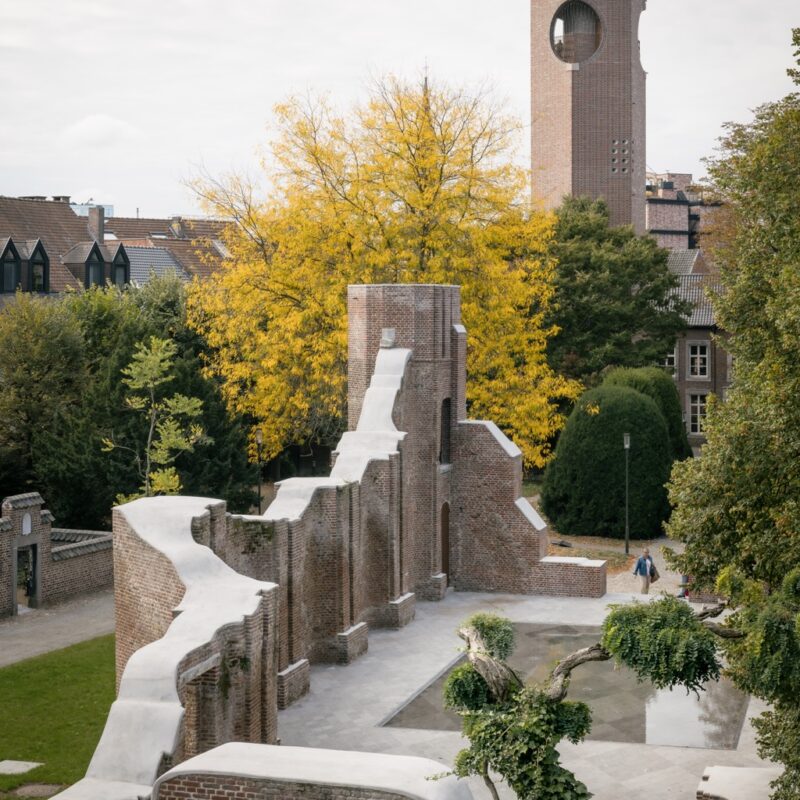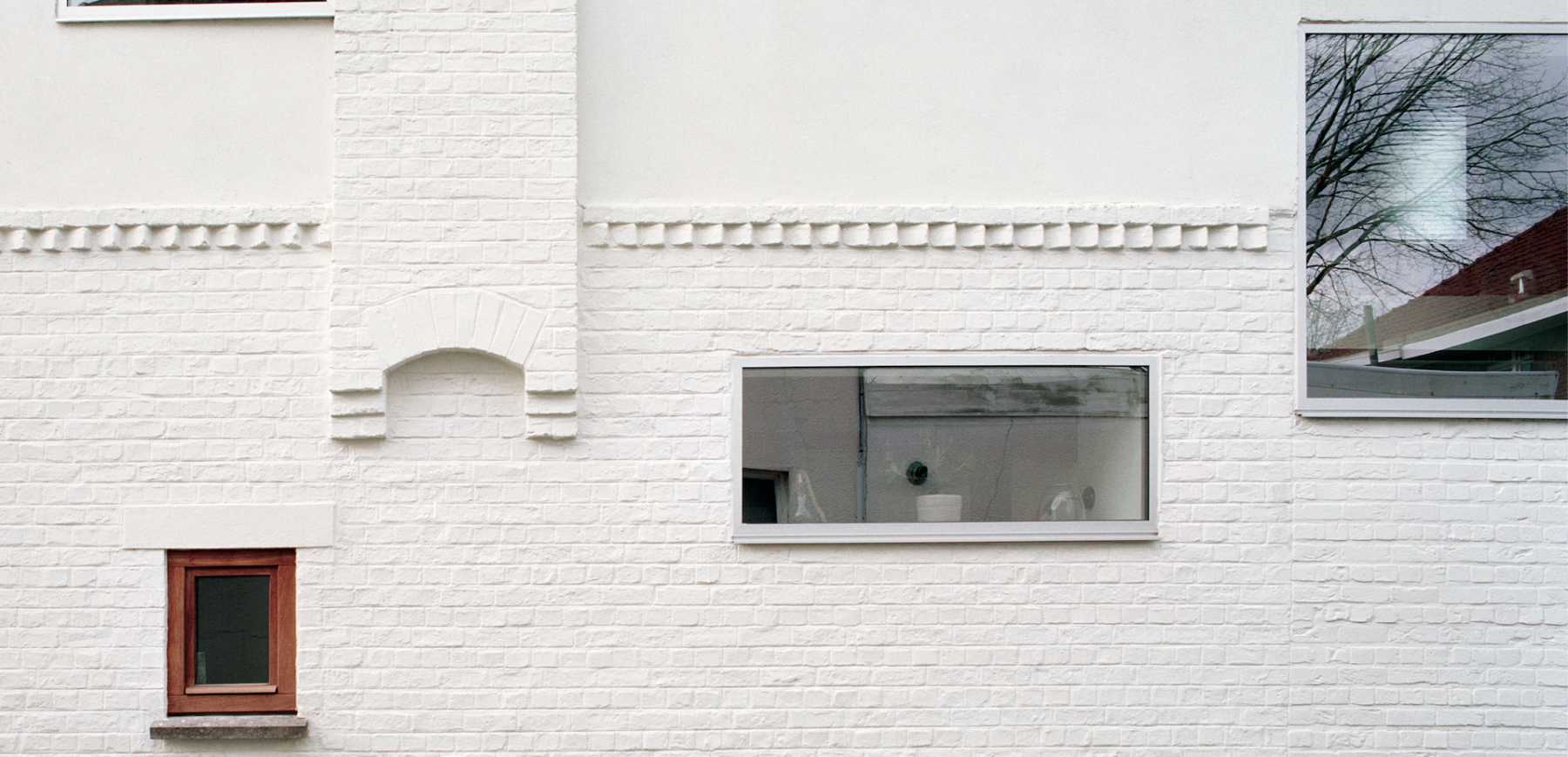
As architects, when we bring different materials together to create components and connections, we are designing not only the relationship between these materials, but also the relationship between ourselves and the people who will use the spaces and structures we design. We determine the extent to which we share our authority, thereby empowering others to understand, alter, repair or deconstruct the design in the future.

Details may be intentionally designed to obscure information about their construction, rendering architecture a mysterious and abstract entity. While individuals can consume and utilize these spaces, they are denied the opportunity to modify them. Without knowing which tools to use, they may either resort to destruction or require expert consultation, which ultimately leaves them with less agency.

Conversely, a construction detail or joint can be designed to reveal how it was made, inviting alteration and engagement. A surface with visible fixings, for example, reveals information about the underlying construction and indicates the necessary tools for repair, alteration or deconstruction. The size and composition of elements dictate how easily a structure can be disassembled or repaired.

This intricate interplay of social and ecological considerations has been emphasized by theorists like Stewart Brand, who argued that details and components should be categorized according to speed of change and lifespan to enable adaptation. This would enable users to modify structures over time to suit their evolving needs, thereby fostering co-evolution.

Beyond vernacular or pre-industrial practices, architectural history offers a variety of inspiring examples of details that embody different power dynamics between designers and users. Although they all express and promise freedom for future alteration, the architect’s level of authority and the democratic potential vary greatly.

High-tech architecture projects, such as those by Jean Prouvé and Renzo Piano, feature details and entire building elements designed to be disassembled or moved. Despite this promise of freedom, these details always remain part of a specific system designed by the architect. In many real-life applications, the level of knowledge required to alter these constructions using specialized tools has proven too complex, even for professionals.

At the other end of the spectrum is a far more democratic approach, exemplified by Adolf Loos’s constructions for the Viennese Settlers’ Movement after World War I. Loos designed the ‘Haus mit einer Mauer’ (House with a wall) with a view to being built with a minimum of physical exertion and tools, as it was largely war veterans with physical impairments and women who would construct their own houses. Furthermore, Loos’s idea was that the interior could evolve over time according to the needs of the inhabitants. He suggested simple construction strategies, such as fabric curtains and textile walls.

In conclusion, architectural details and components are agents of sociomaterial hierarchies. They are not neutral. They shape accessibility and distribute power by determining who can understand, modify, repair or dismantle a building. In this sense, details are activists: they either uphold established structures of authority or actively enable broader participation in shaping the built environment over time.

Juliane Greb, architect

© Philippe Braquenier