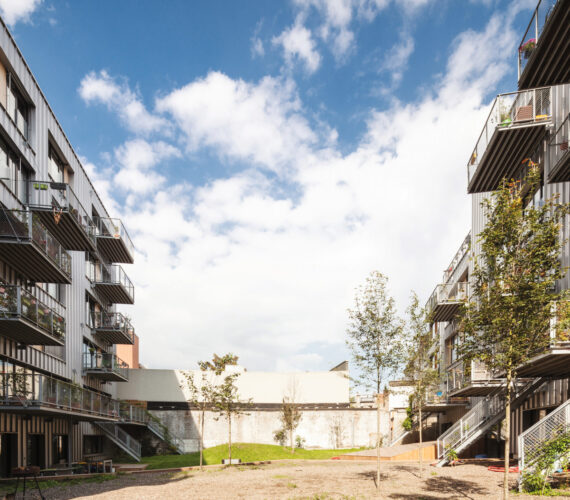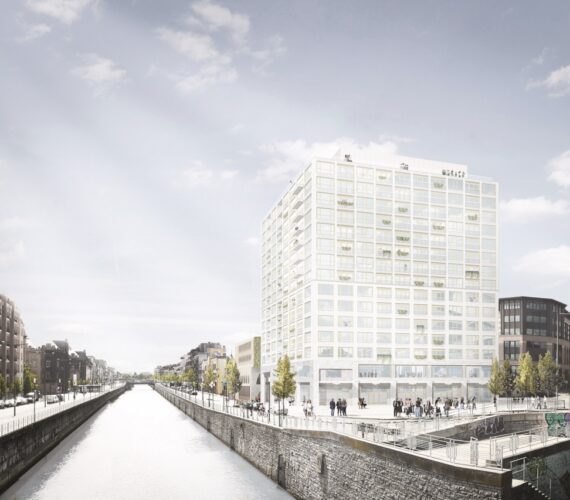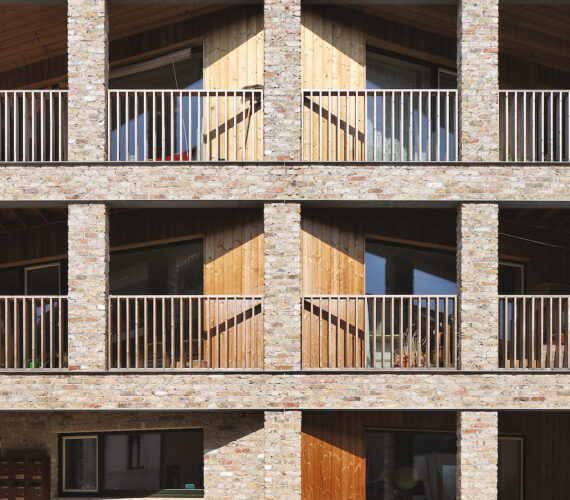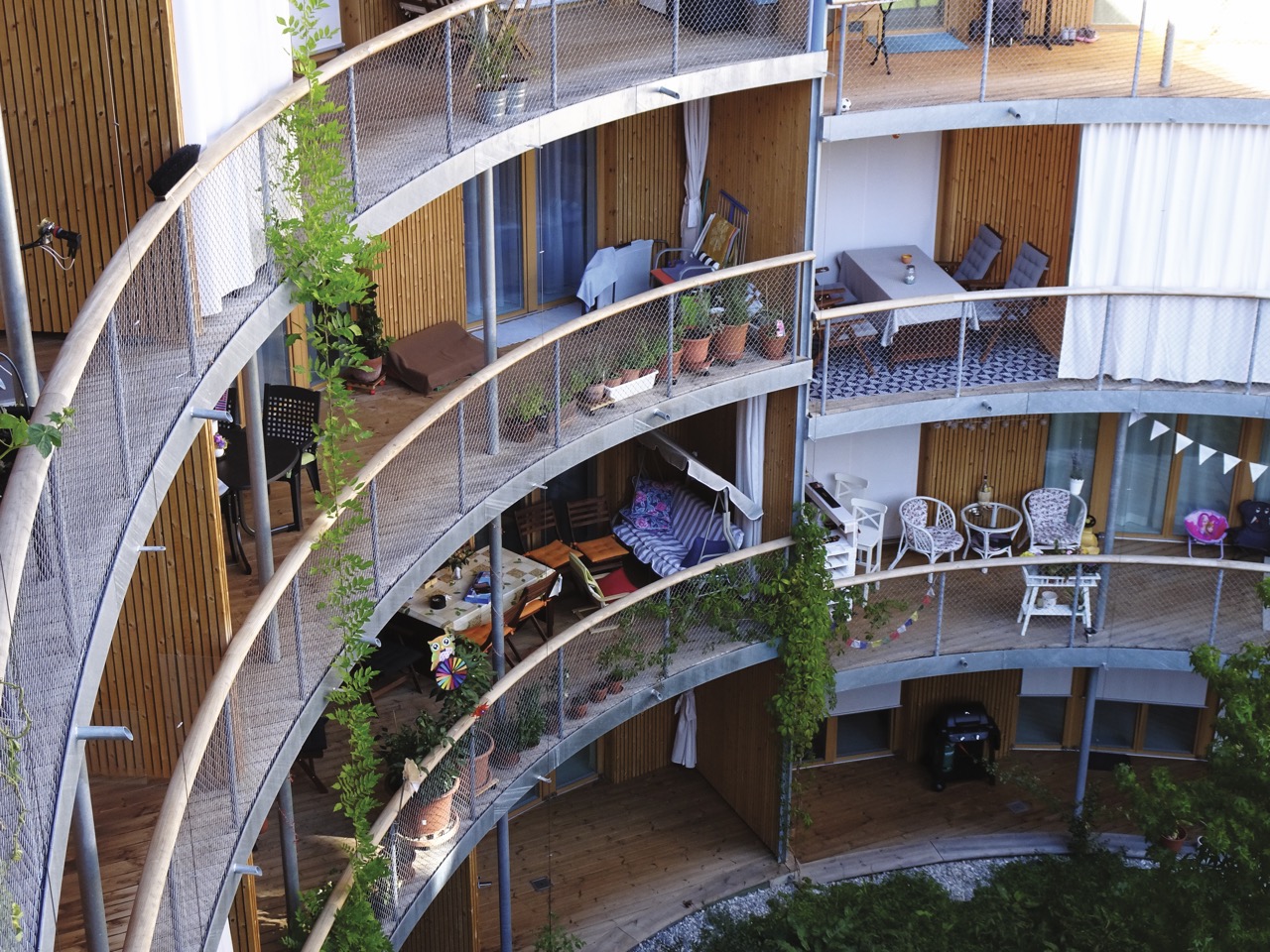
Collective housing is not cooperative housing, and vice versa, and yet both concepts are often mentioned in the same breath anyway. After all, the housing cooperative offers the ideal management model to share, in a simple manner, a number of spaces within a housing project. A cooperative can be set up easily by a group of people or residents. The residents of a housing project can become shareholders of the cooperative, and in exchange receive a housing right. They then pay a monthly rent at the cost price. As the owner, the cooperative guarantees the long-term management of the project (and the shared spaces), and the residents are involved in the design and operations of the project as cooperative members. In this way, the cooperative forms a middle ground between the association of co-owners and the tenant model, and this model is increasingly emerging as an alternative.
Local authorities in Flanders too are increasingly aware that they cannot leave all housing projects to developers or the private market, and that they have to look for an alternative. A cooperative has the advantage of not having to earn a return on investment, and can guarantee more affordable housing (at the cost price) in the short and long term. It also prevents speculation on the land or building, allowing them to think in the longer term. Unfortunately, there are still some legal and fiscal problems that make it less attractive to establish a housing cooperative in our country, but it is certainly not impossible. Recent cooperatives in Flanders, such as wooncoop, Oak Tree Projects and Collectief Goed, are the first examples.