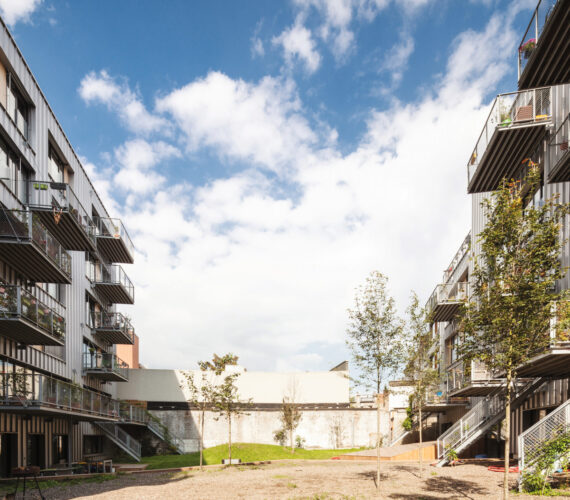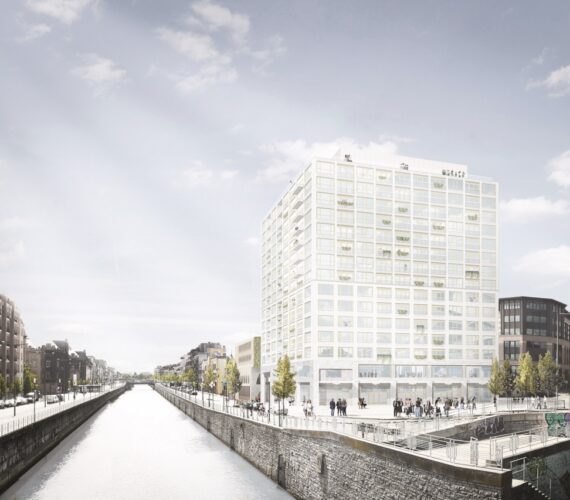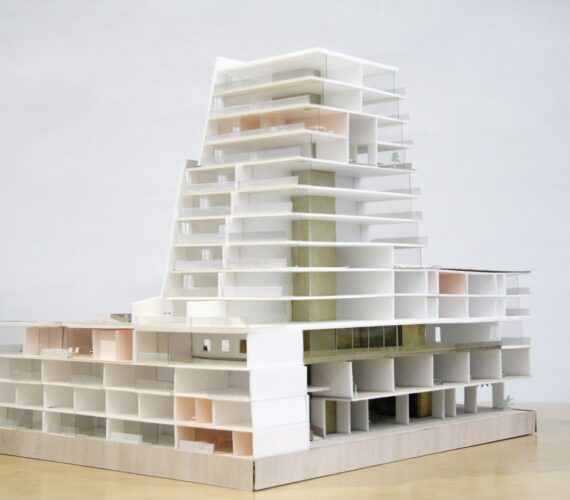
Many Belgians live in detached houses in the countryside. After all, this is what the government strongly encouraged here from the 1950s onwards, the result being a highly fragmented and increasingly clogged-up region. Today, the government has a different view. For two decades now, every spatial policy plan has been telling us that we need to live closer together in easily accessible places. The allotment’s farmhouse-style villa is a thing of the past, and yet in the city, it is more and more difficult to find affordable and comfortable housing.
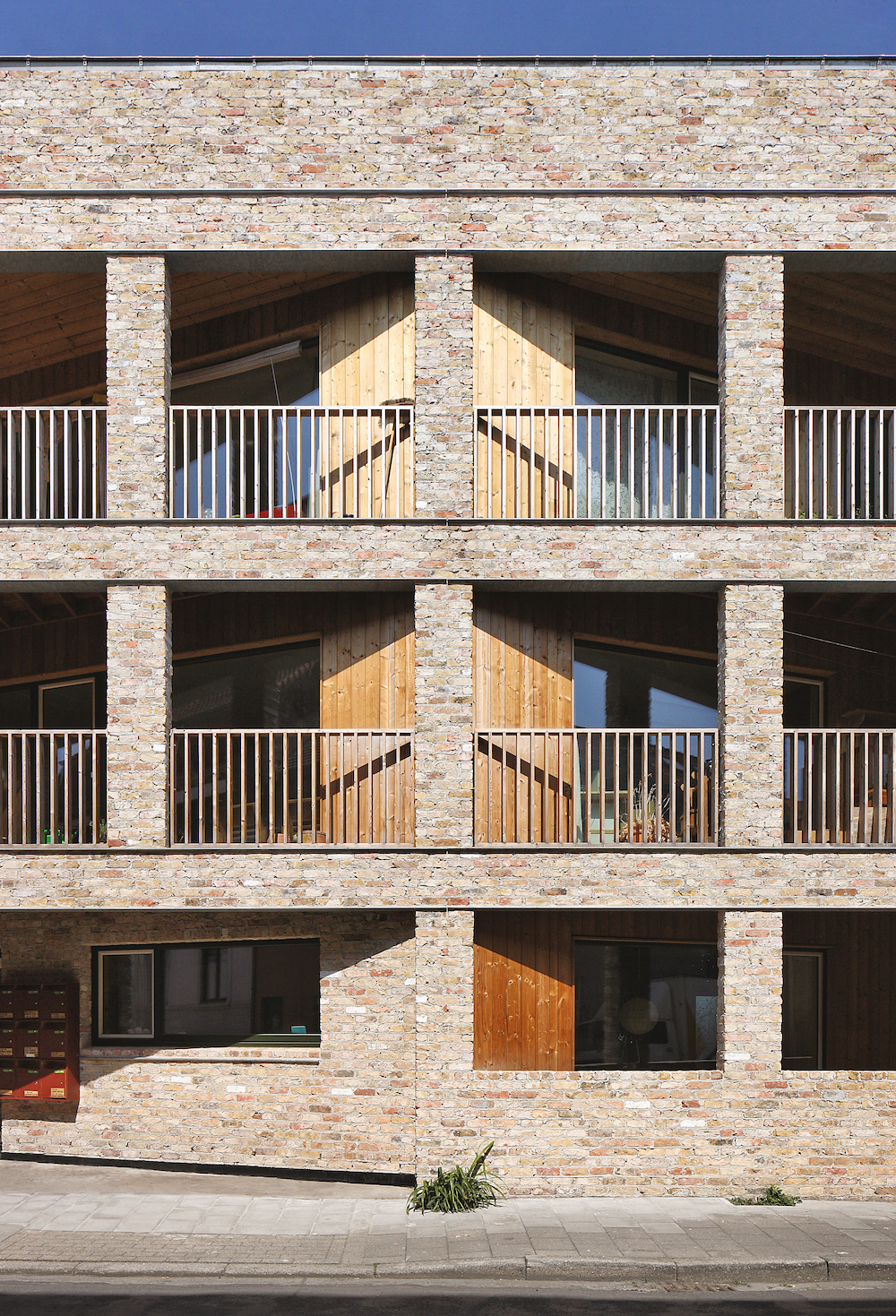
The time seems ripe to adapt our housing dream and to build up a new ideal in which accessibility, family life and outdoor space are compatible. Collectivity can provide a key in this respect, both in terms of housing types as well as production and management. But what does this mean in practice? Which spaces are shared and which are not? Will we then live in smaller spaces? How do residents organize themselves? And what role do architects and residents play in such a participatory design process? Can we already speak of a new collective architecture? These questions stimulated Architectuurwijzer, a cultural architecture association from Limburg, to map out collective housing in Flanders and Brussels. The result of their research is both the exhibition Housing Apart Together at C-mine in Genk and at STAM in Ghent, and this special issue in collaboration with A+ and UHasselt.