
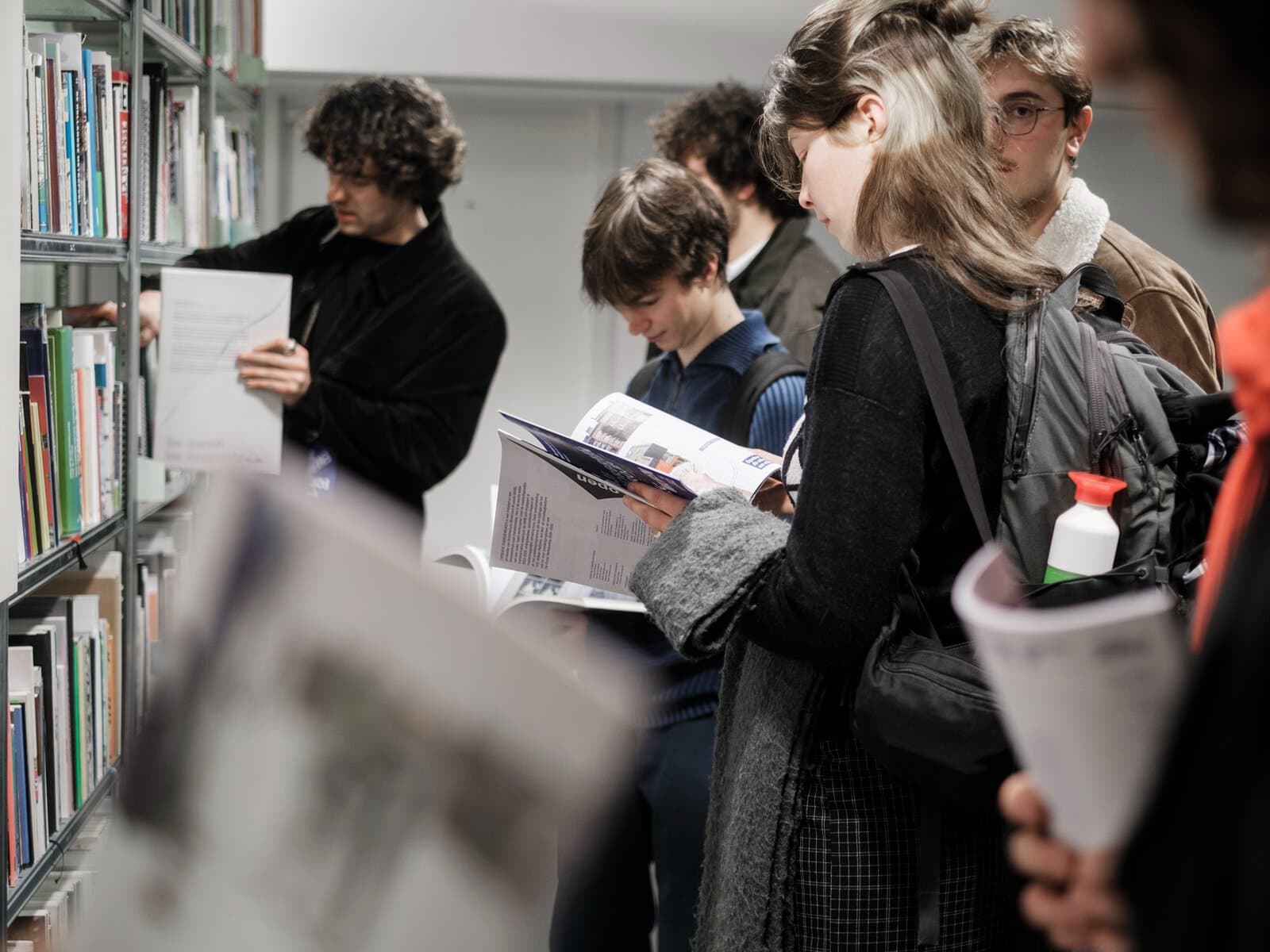
With the exhibition ‘Operation Energy Neighbourhoods’, Architecture Workroom Brussels brings together local authorities, engineers, economists, developers, socio-cultural organisations and architects within a collective action plan for a fossil-free energy transition at neighbourhood level. Curator Joachim Declerck: “This is the most arrogant and most fragile project we have ever undertaken.”
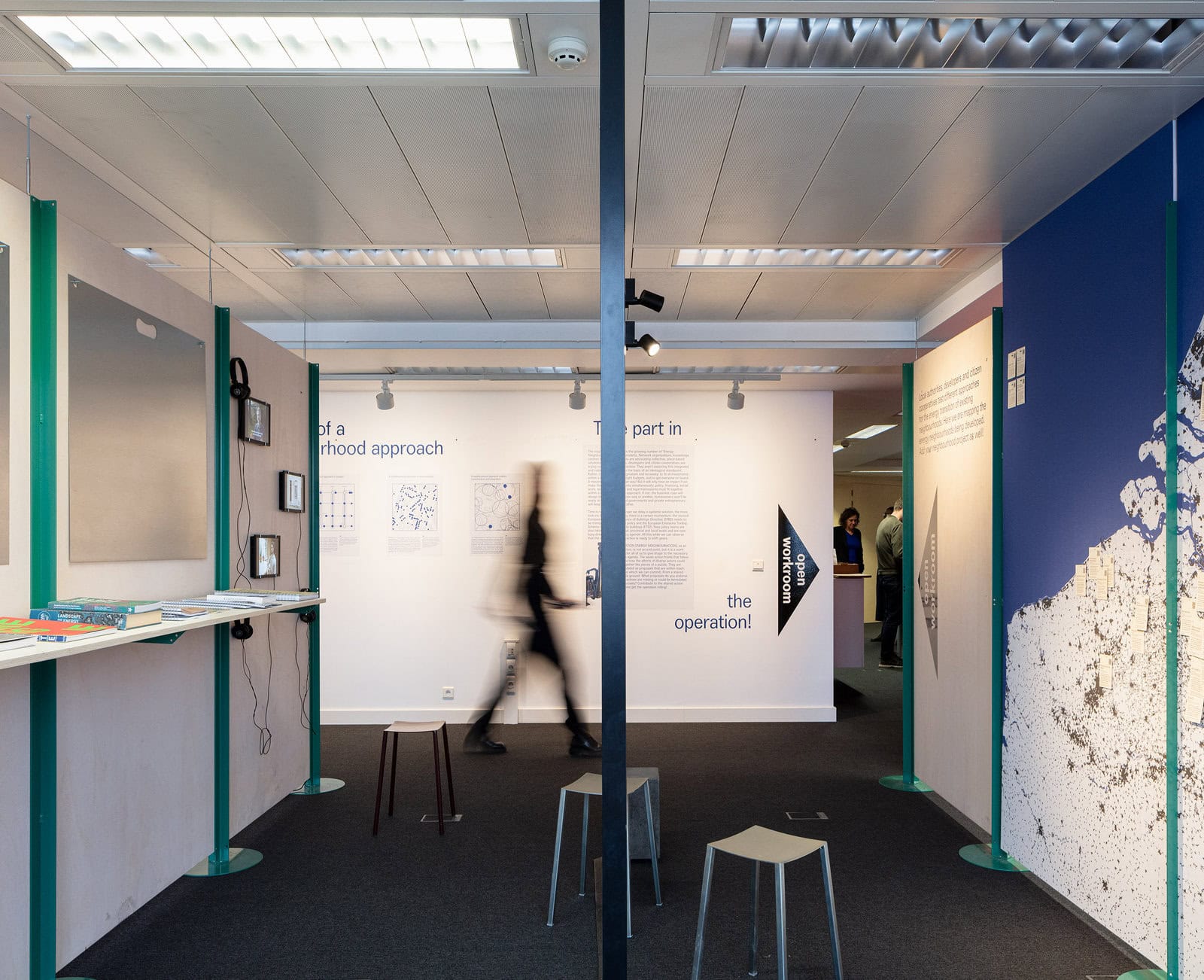
To reduce CO2 and other greenhouse gas emissions in the fight against global warming, the energy consumption of existing buildings must be drastically reduced. In Belgium, regulations exist for this through EPC labels and grants, but these largely place the onus on individual citizens. What is the result? 65% of the grants go to households that can afford a renovation anyway, even without a grant, and 51% of homeowners simply cannot afford the renovation. The result is that today, less than 1% of Belgian homes undergo energy-efficiency improvements each year. The system does not seem to be working, but how could it be any different? Many studies point to an energy transition at neighbourhood level. This is cheaper and more efficient, for example through the installation of a central heating network with various complementary collective heat sources, but also socially inclusive thanks to raising awareness and involving residents via existing social networks. Declerck: “You cannot reduce the energy transition to mere regulation; it is a social transformation project.”
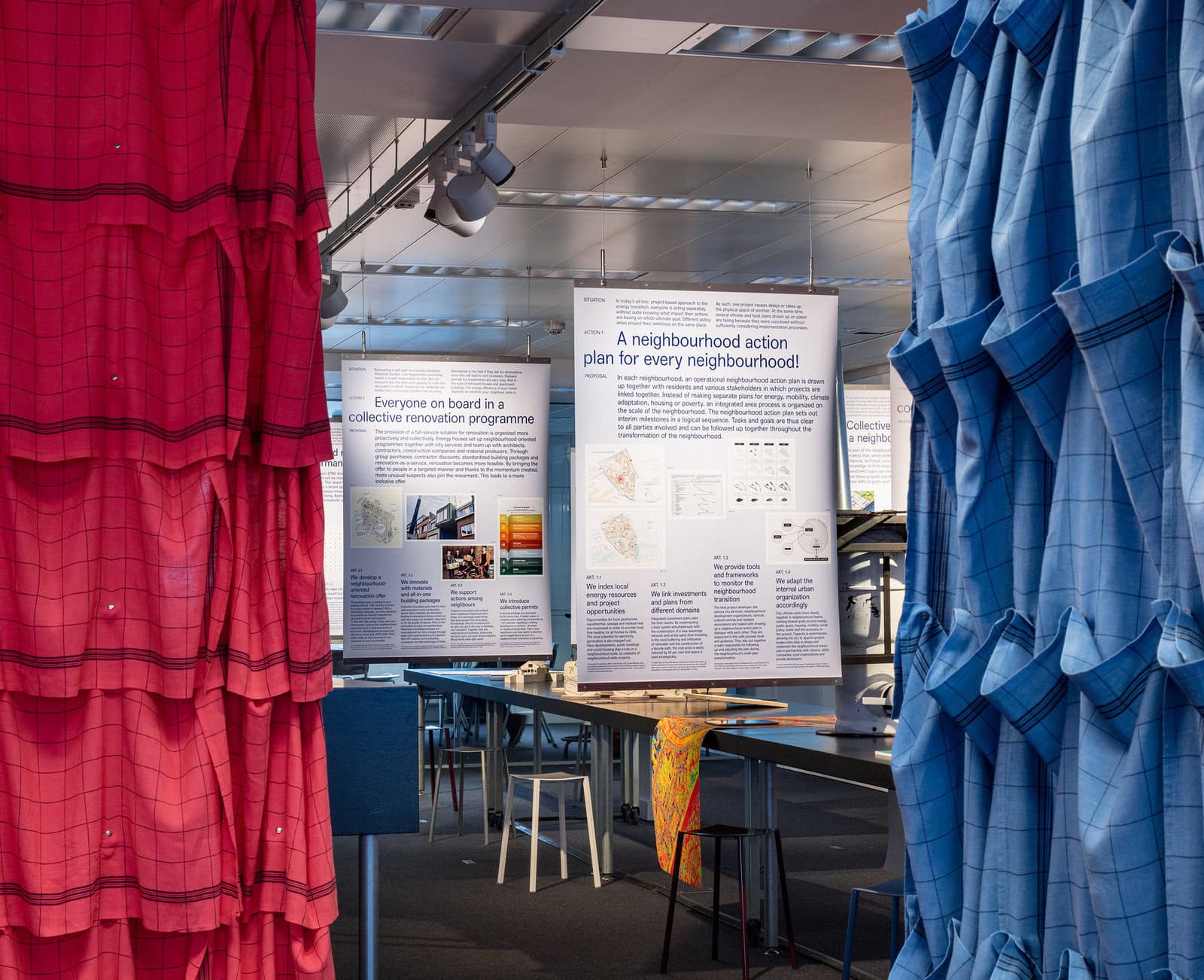
Drawing on some thirty completed (pilot) projects for energy neighbourhoods in Belgium and the Netherlands, AWB proposes an action plan on seven fronts. A prerequisite is an operational and widely supported neighbourhood action plan involving residents and local stakeholders (authorities, businesses, etc.) who, all too often today, work at cross-purposes within the same neighbourhood but in different policy areas such as mobility, energy, housing or poverty reduction. This can only work through a sound target group policy in which even the most vulnerable groups are taken seriously. Through a collective renovation scheme involving group purchases, contractor discounts, standardised building kits and collective planning permission, you can share and spread construction and coordination costs, thereby making the project more feasible. Energy sources are utilised and shared to the full so that even the house with the poorly oriented roof benefits from the installed solar panels.
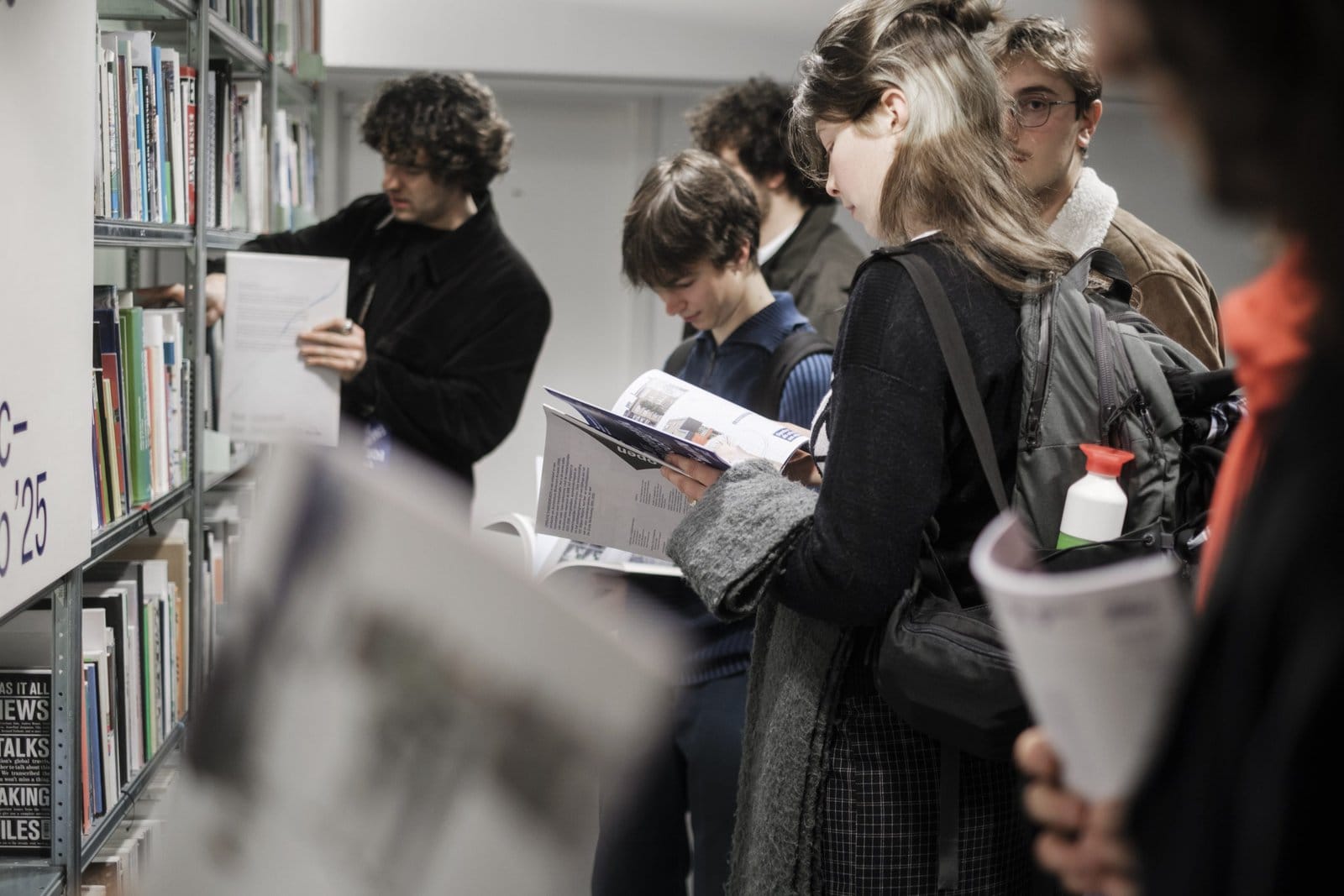
But who is going to pay for that? Curator Hanne Mangelschots: “Local authorities, businesses and citizens can join forces and set up a public-private-civil energy company, as the town of Blankenberge did with, amongst others, the OCMW, where residents can buy shares.” However, this entrepreneurial climate for integrated fossil-free neighbourhoods requires a clear legal framework from the government. Finally, existing regulations and the obsession with labels must be critically examined so that they also allow for innovative solutions at the design level. The momentum is certainly there: the new European EPBD directive is due to be transposed into regional legislation this year.
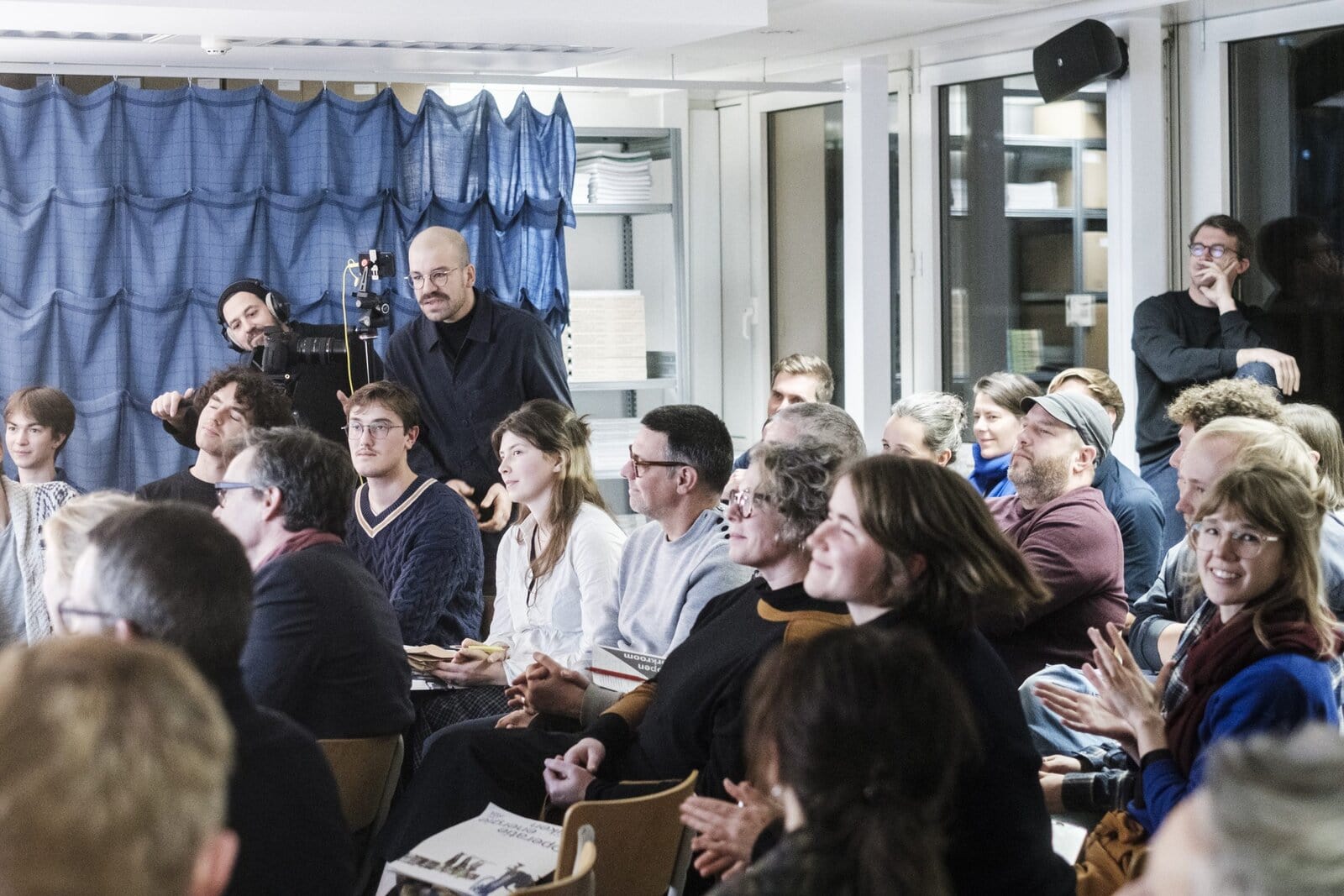
Through clear diagrams and objects, this exhibition articulates a powerful and hopeful vision. The challenge is enormous, if only because so many sectors really need to work together. The framework programme therefore brings together multiple stakeholders through a series of debates, and the public is also invited to get involved via a brochure that literally asks for input. Ideas for actions or proposals? This initiative needs everyone’s help – until 31 March 2025.
