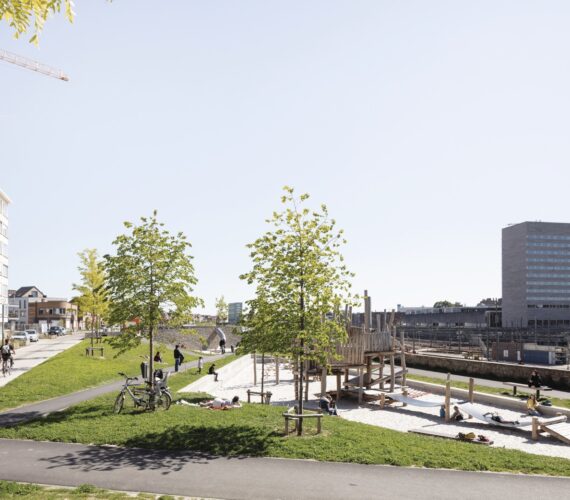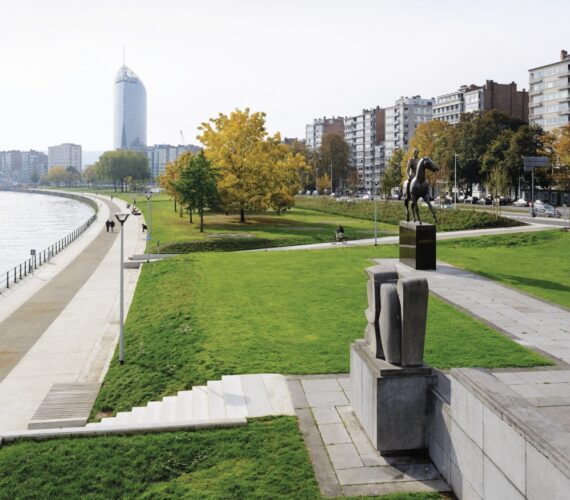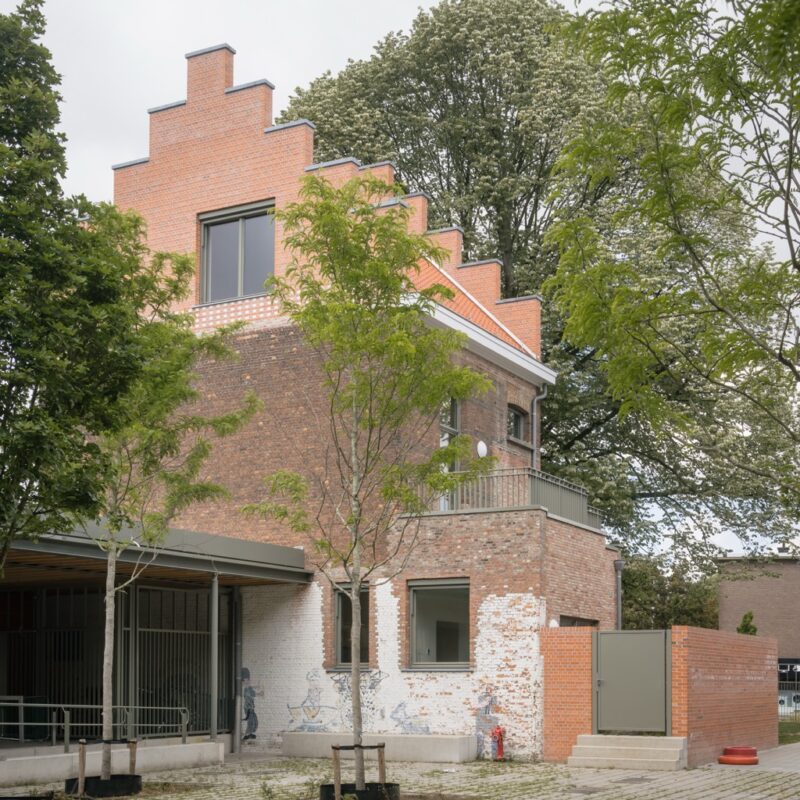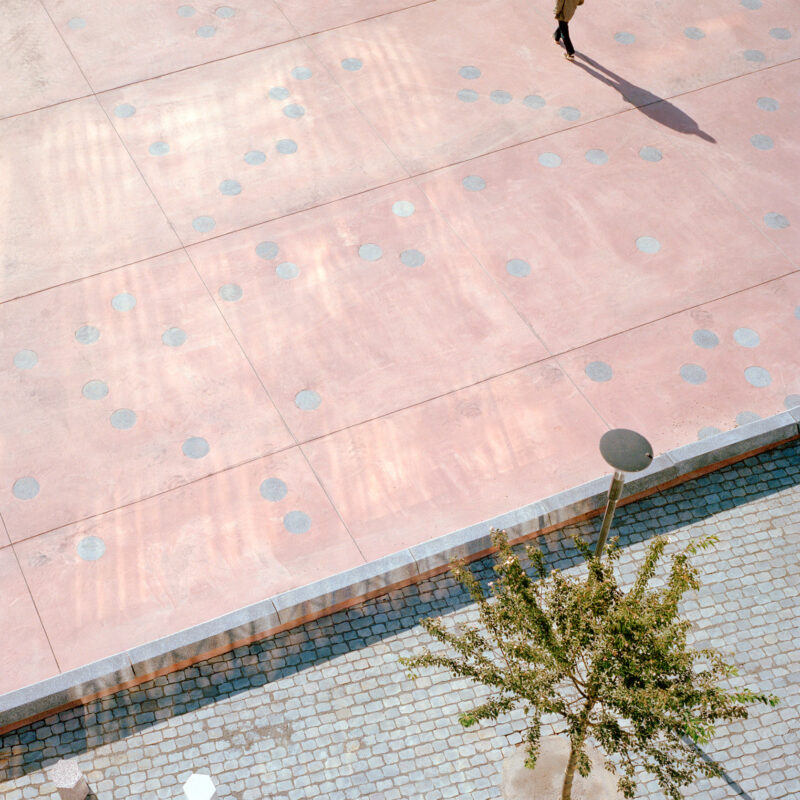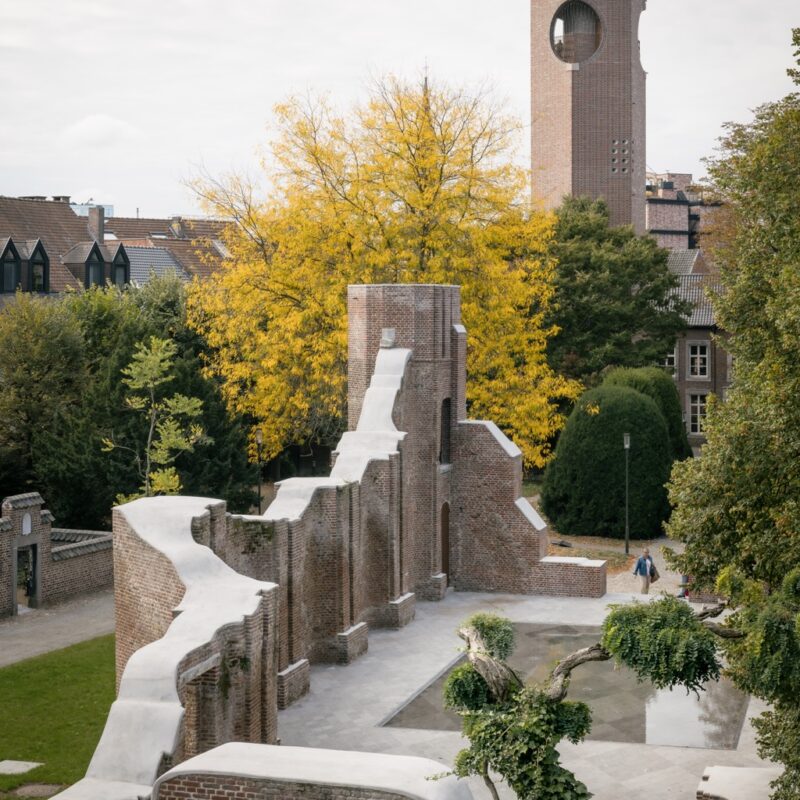
Reclaiming new public space in the city’s brownfield sites guarantees unique vistas. These are often former industrial sites, abandoned quays or disused railway lines. In my own home city of Brussels, I am thinking of the recent opening of Pannenhuispark alongside an elevated metro line, and MolenWest next to West Station. There are perhaps no better examples of the domestication of public space. Unkempt areas are landscaped with the utmost care and meticulously maintained. They are the new lungs that give city dwellers breathing space and form the neighbourhood’s new hub of attraction.
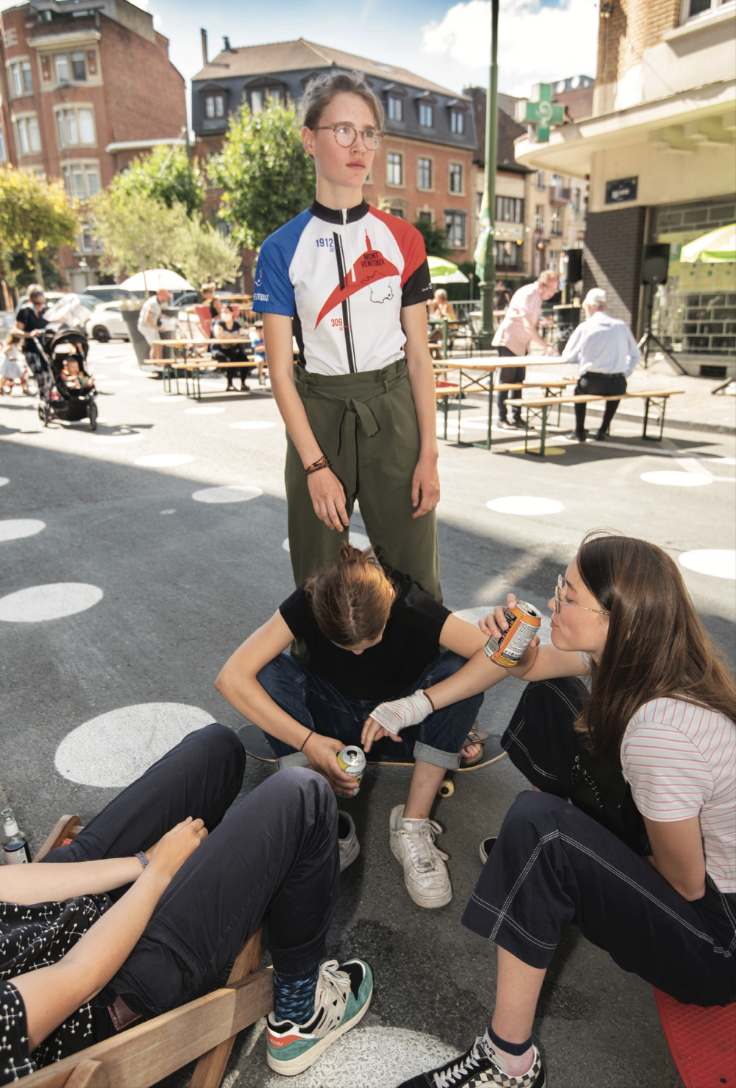
However, this new public space cannot be viewed in isolation from a lack of interest in the largest net area of public space: the street. It is the public space that begins at everyone’s front door, yet remains invisible and unconsidered as mere infrastructure. The design attention paid to a park or square is inversely proportional to the nonchalance with which the street is designed.