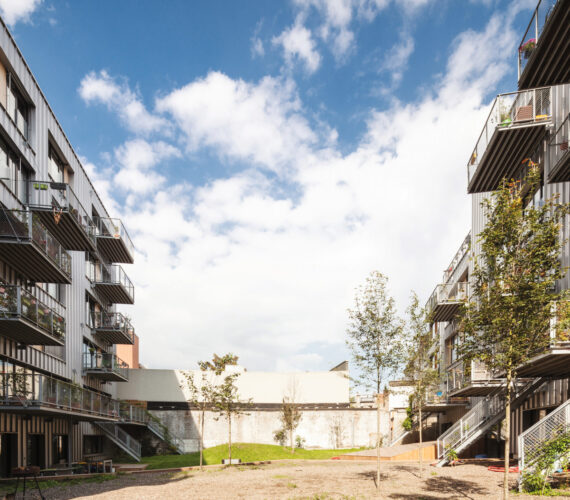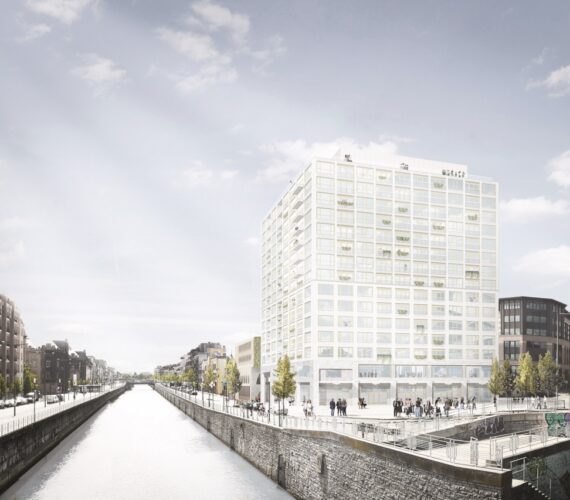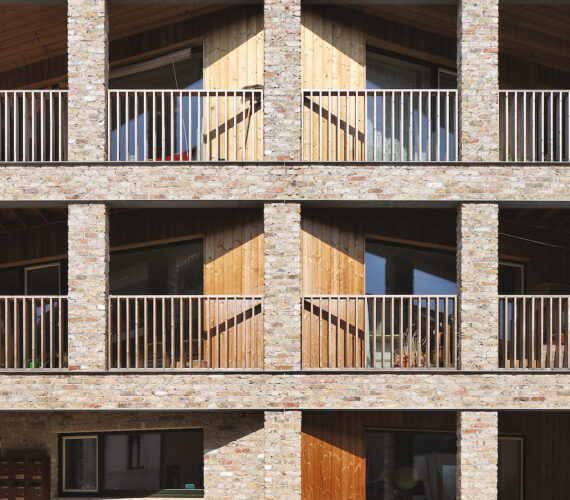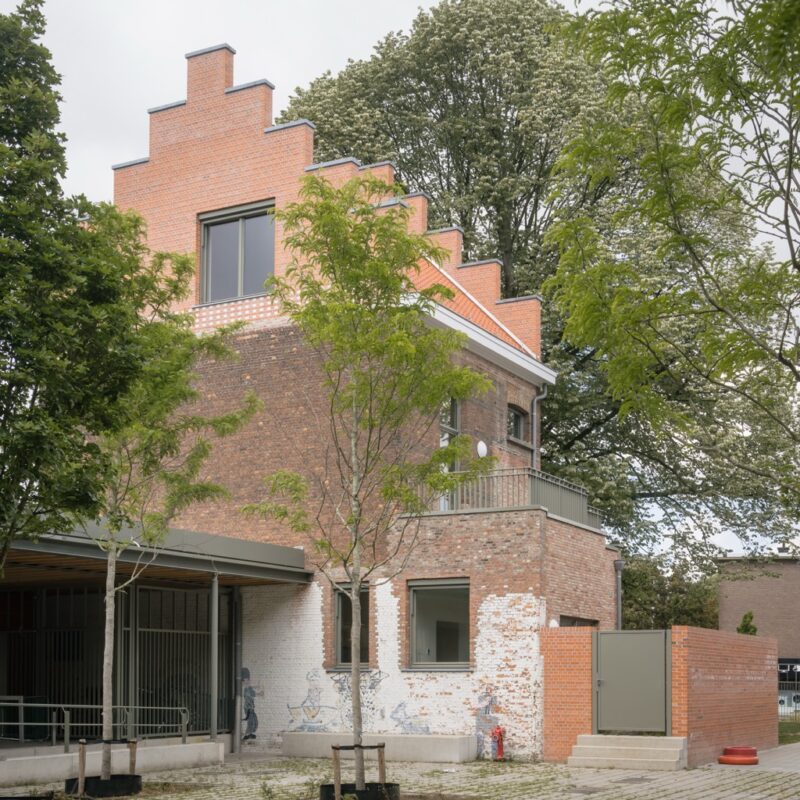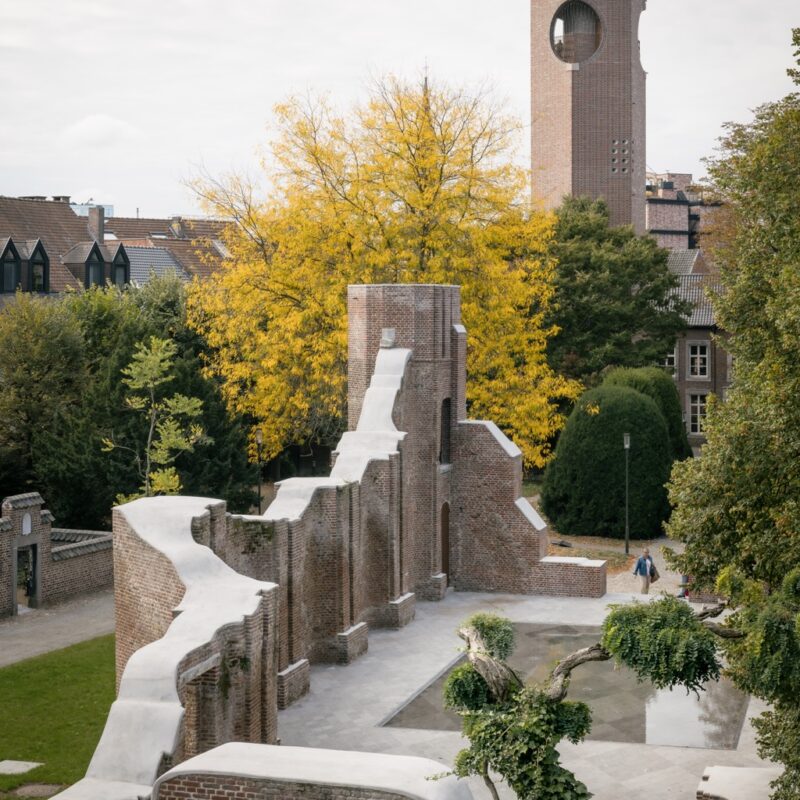
Cohousing is a niche market, but no one bats an eyelid if families or individuals choose this type of housing. They generally still retain a ‘complete’ dwelling of their own, but share extra facilities. Project developers too are gradually beginning to see a way of making money in this market. Cities such as Ghent and Leuven have launched pilot projects. After all, cohousing seems to be the obvious thing to do. And yet the search for a plot, the right mix of collective and private, and the budget for all those extras still turns out to be a (sometimes lengthy) process of trial and error. What are the consequences for the architect? Here’s a little survey.
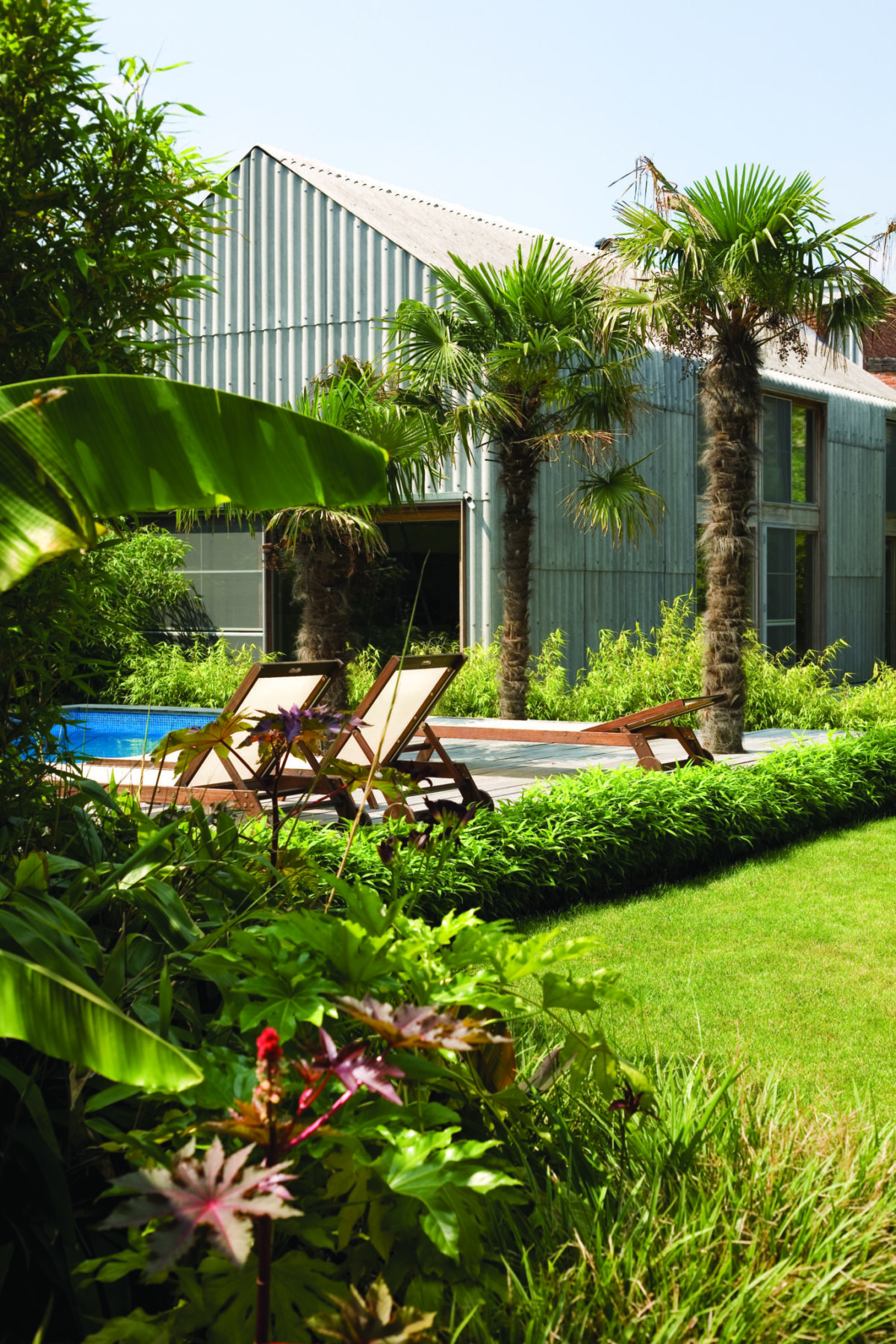
The most common form of cohousing is an improved multi-family home. A group of people occupies a building complex with several small but ‘complete’ units. In addition, they share facilities such as a collective dining area, workspace, garden, swimming pool, laundry area, etc. Cars are often collectively owned, which means that fewer parking spaces are required. In Brussels, another formula, co-living, is now on the rise. In the case of co-living, the residents do not have their own kitchen, but cook and eat in the same room. There is also the communal house, where residents even share sanitary facilities. This article will deal with the first form, however. You can find a discussion of the projects mentioned below elsewhere in this issue.