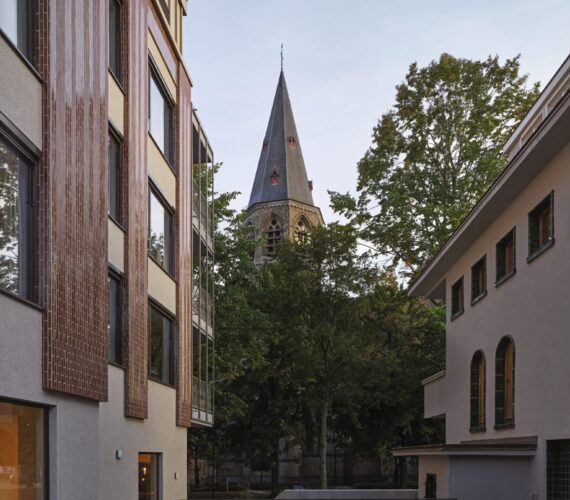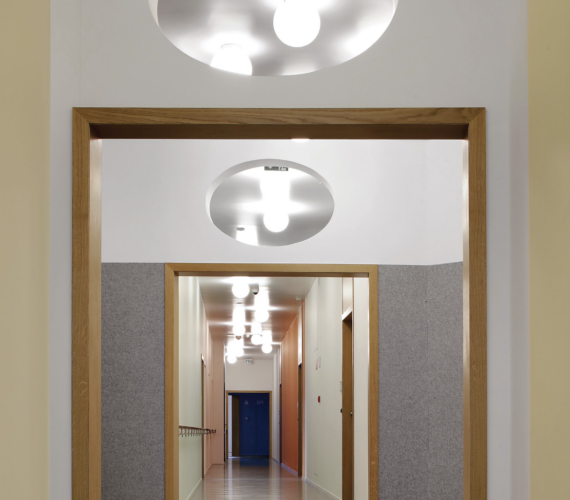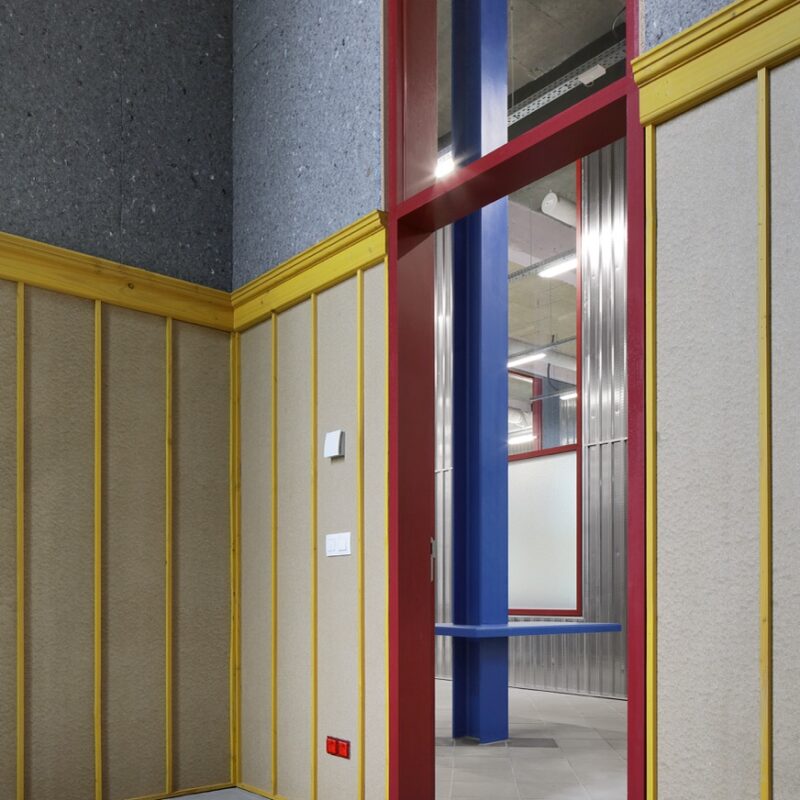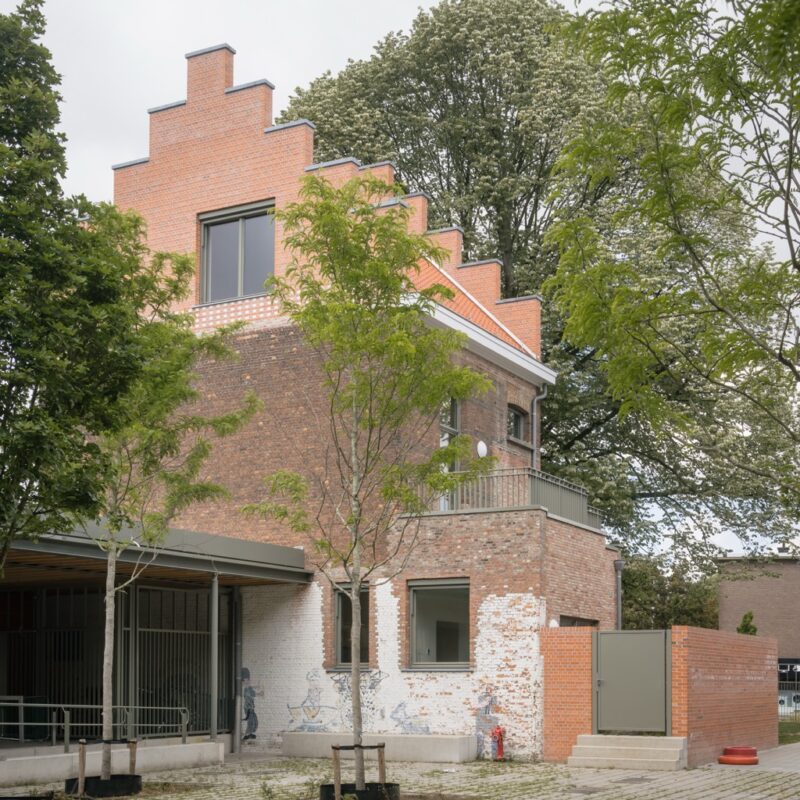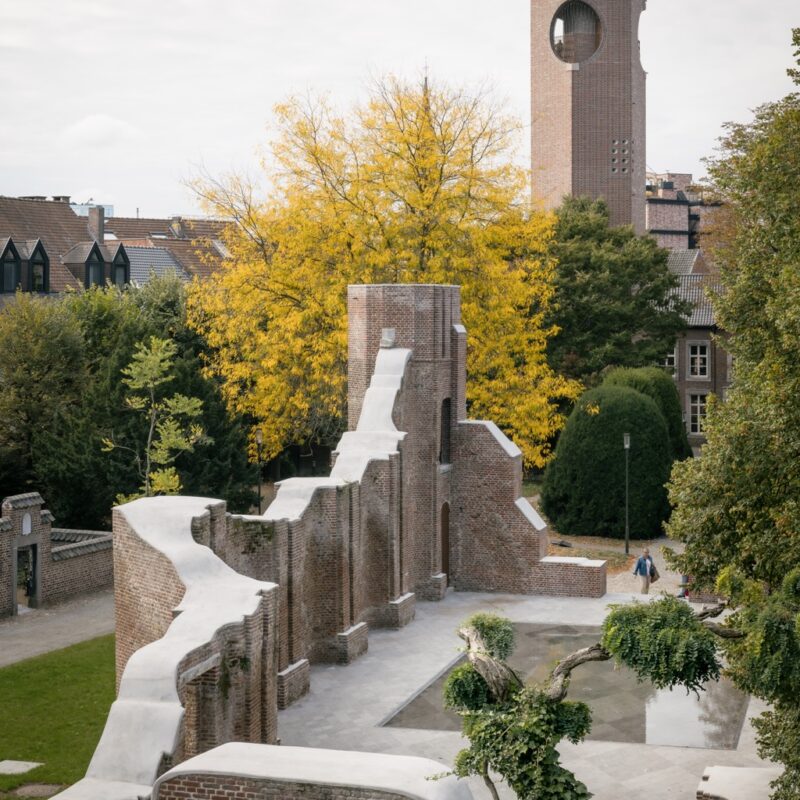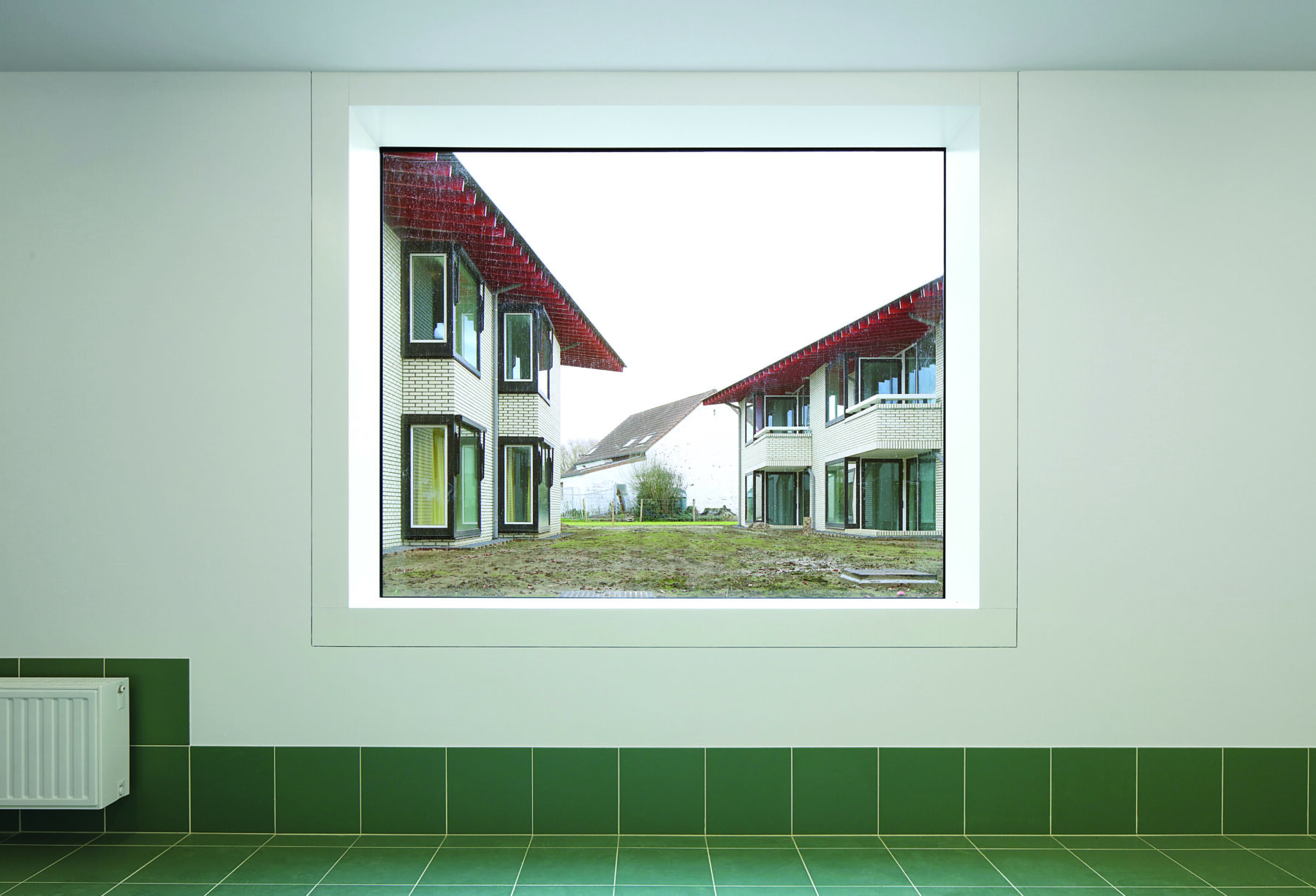
Architecture can indeed form the basis for new healthcare relationships, moving away from the impersonal logic of typical hospital complexes. Below, we describe three existing models, each of which demonstrates in its own way how innovative healthcare relationships go hand in hand with equally innovative architecture.
The quality of healthcare architecture must be measured by the extent to which it offers a solution to ‘the beddenhuis’. The Dutch neologism is a contraction of ‘bed’, as a unit of funding in healthcare, and ‘ziekenhuis (hospital)’. 1 We are referring here to the typical hospital complexes in which the design is a literal translation of the number of available ‘beds’, i.e. the unit of calculation for government funding in the healthcare sector. The result is a typology of serially arranged rooms connected by interconnected corridors. This typology trickles down from general hospitals to virtually all building programmes in healthcare and welfare. For the moment, it does not matter whether patients are bedridden or not. It does not matter whether supervision is necessary at all. The indifferent logic of the ward block extends in a straight line to the surroundings, with which it has little to do. 1 The pejorative term was used in conversations with doctors, staff and patients in Karus. See: Gideon Boie, ‘Adieu aan het beddenhuis’, Psyche 31(4), 2019.