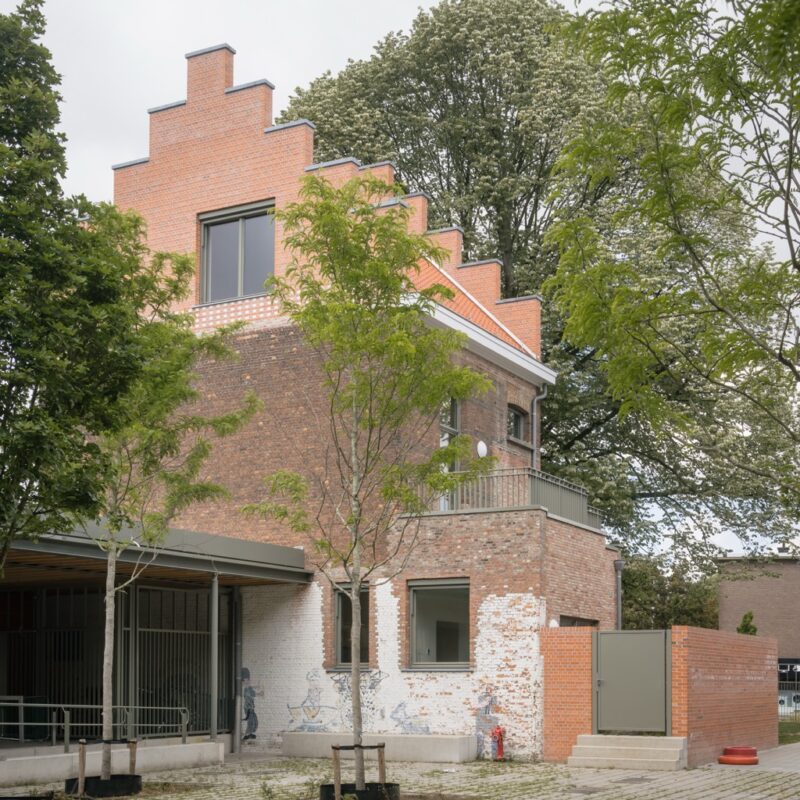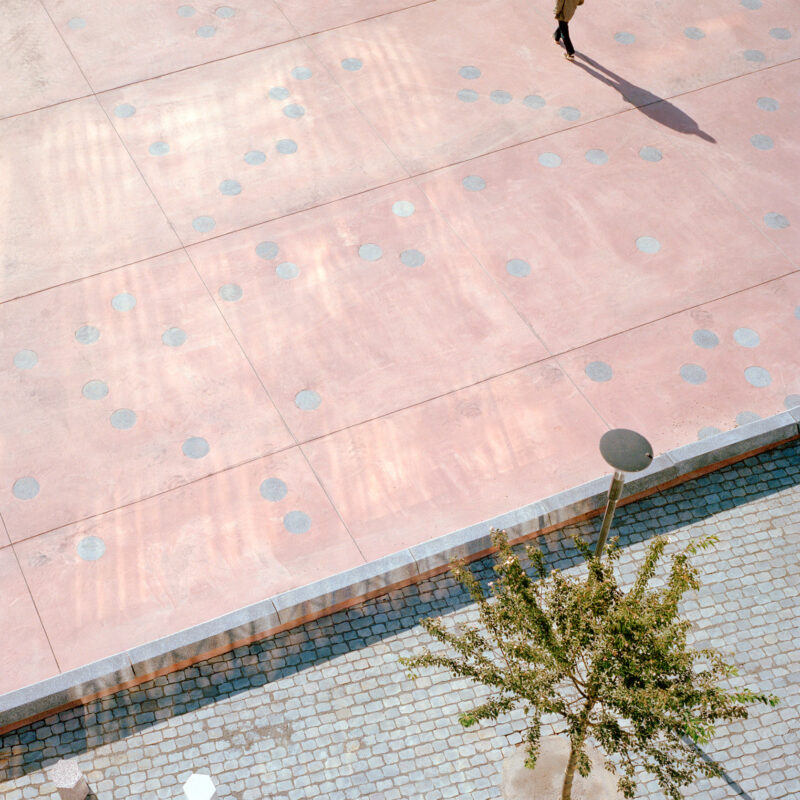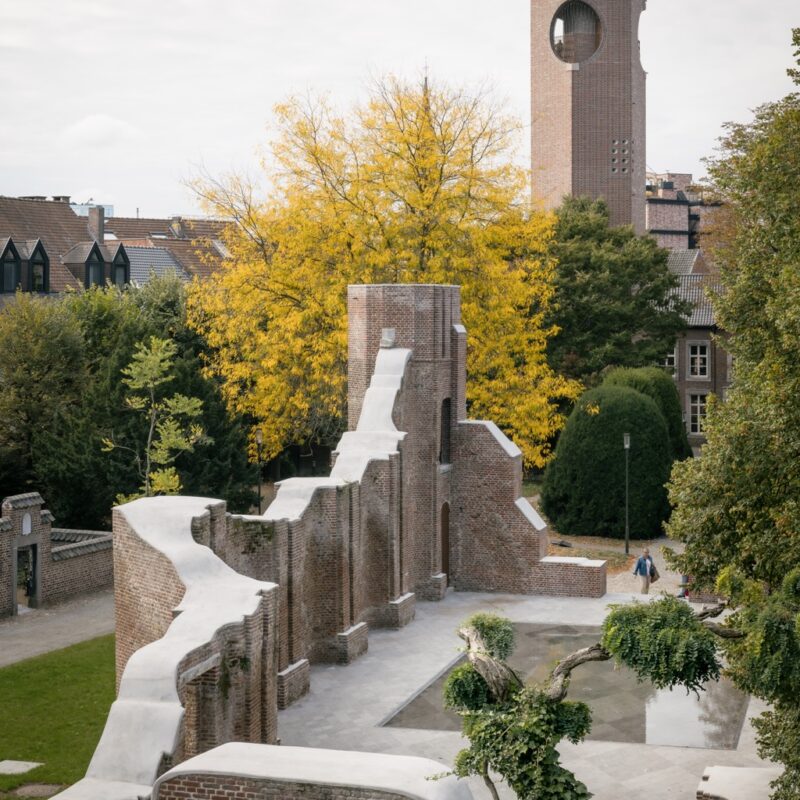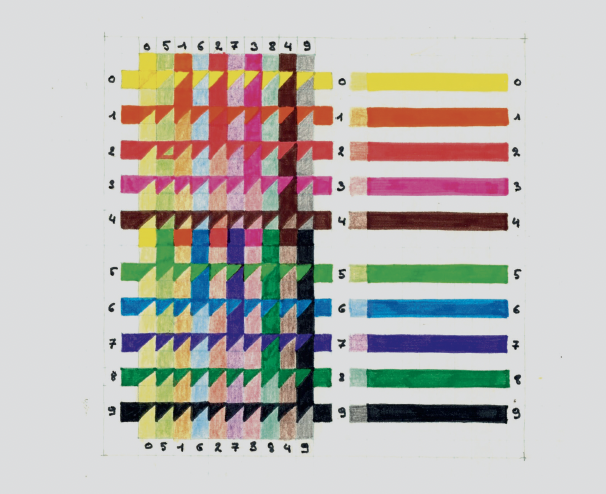
What is the purpose of art in public spaces? It enriches the experience of those who use the space and fosters a fruitful dialogue between all stakeholders – local authorities, developers, architects, artists and the public. At least, in theory. All too often, however, such projects remain little more than a token gesture, lacking any real vision or ambition. To finally integrate art genuinely into public spaces, the legislative framework must be thoroughly reformed, and architects and developers must be challenged to embrace this cross-pollination with enthusiasm.
When discussing art in (semi-)public spaces, it is important to highlight just how diverse both the arts sector and the forms that public space can take are. Visual art has become an extremely dynamic phenomenon, capable of taking any form, and no longer even needing to have any physical manifestation at all1. Public space is just the same: the range of nuances that lies between entirely public territory and completely private space is endless. Consequently, the conditions under which art projects must exist are also worlds apart. From the rather intimate atmosphere of a residential care home to a bustling urban square: the social context alone makes the two interventions incomparable. 1 ‘Ideas alone can be works of art. All ideas need not be made physical.’ A work of art may be understood as a conduit from the artist’s mind to the viewer’s. But it may never reach the viewer, or it may never leave the artist’s mind.”