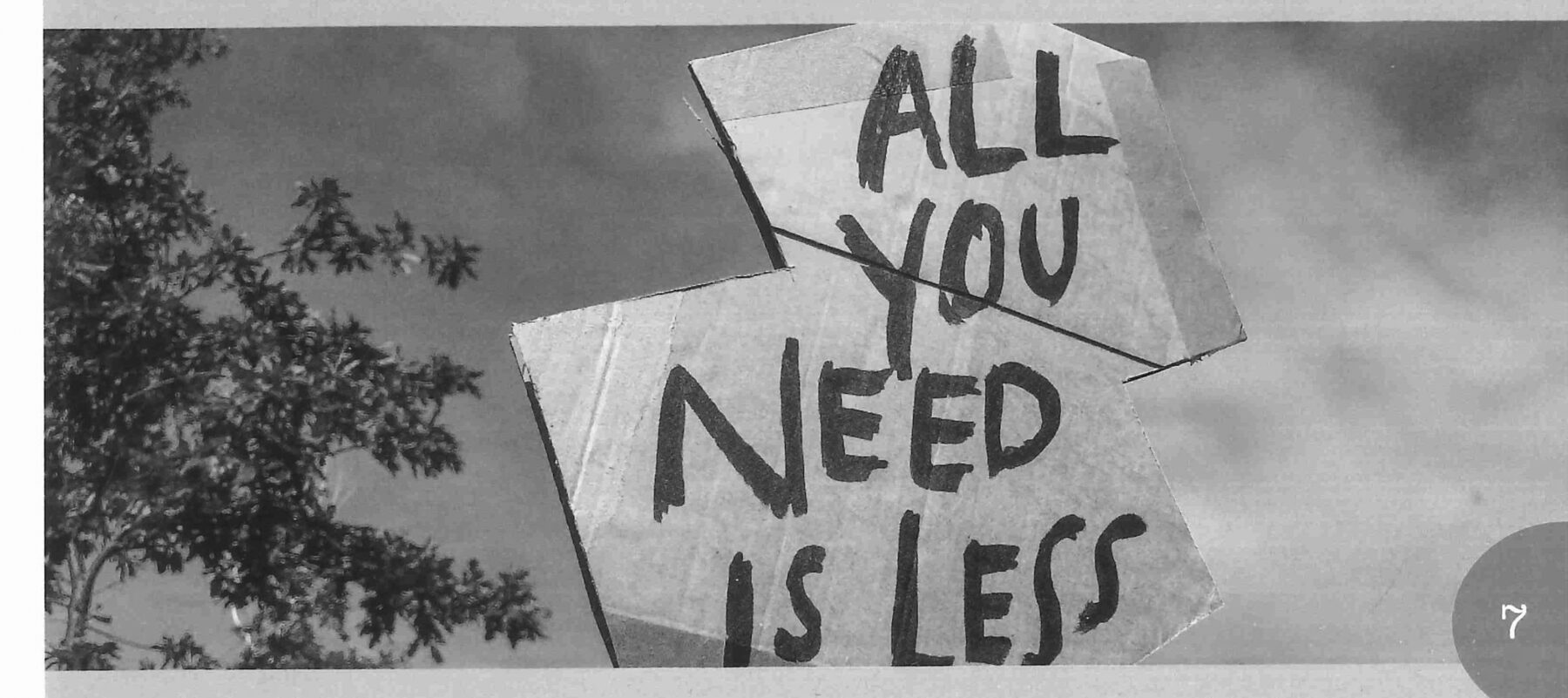
All I had asked for was a pepper mill. What a surprise, then, to receive last Christmas a state-of-the-art electric model. Four batteries to replace the manual gesture I’d never complained about. The only one to benefit seemed to be the manufacturer. It is not just under the Christmas tree that this kind of technological inflation can strike – in architecture, too. And yet, low-tech is precisely one of the strategies for reducing the environmental impact of construction.
Indeed, the carbon footprint of buildings is not only due to their energy consumption (insulating to reduce heating needs) and to the grey energy of the materials used (moving towards adaptive reuse and bio- and geosourced materials), but also to the construction process itself. This process comes into play not only through the energy consumed during assembly (prefabricated or on-site), but also through the grey energy of the equipment used (plane or robot?).