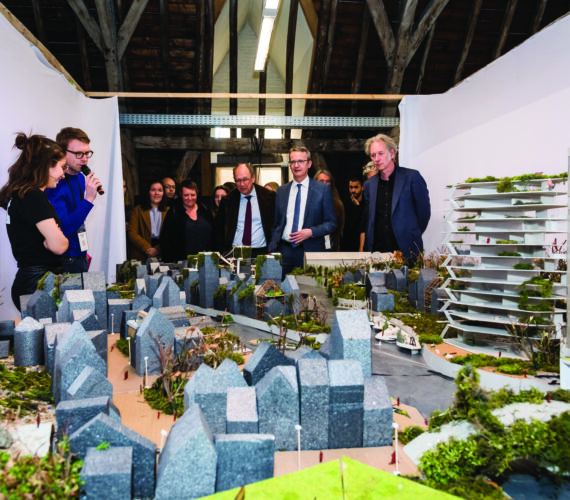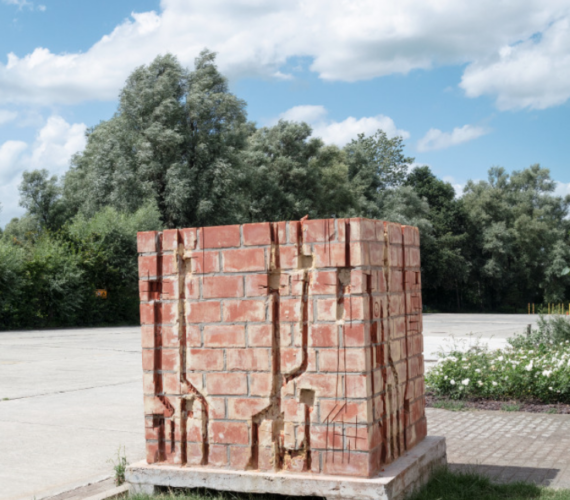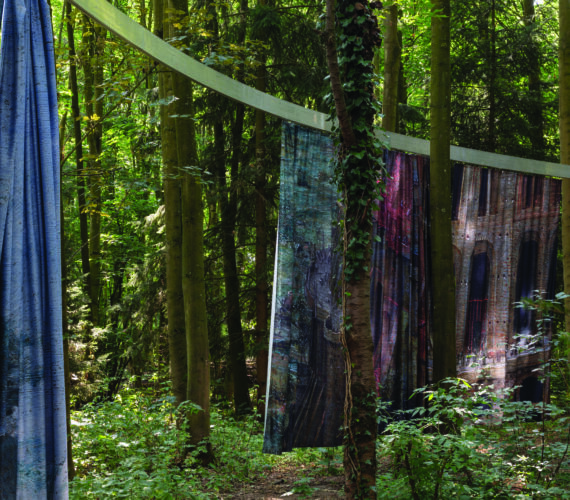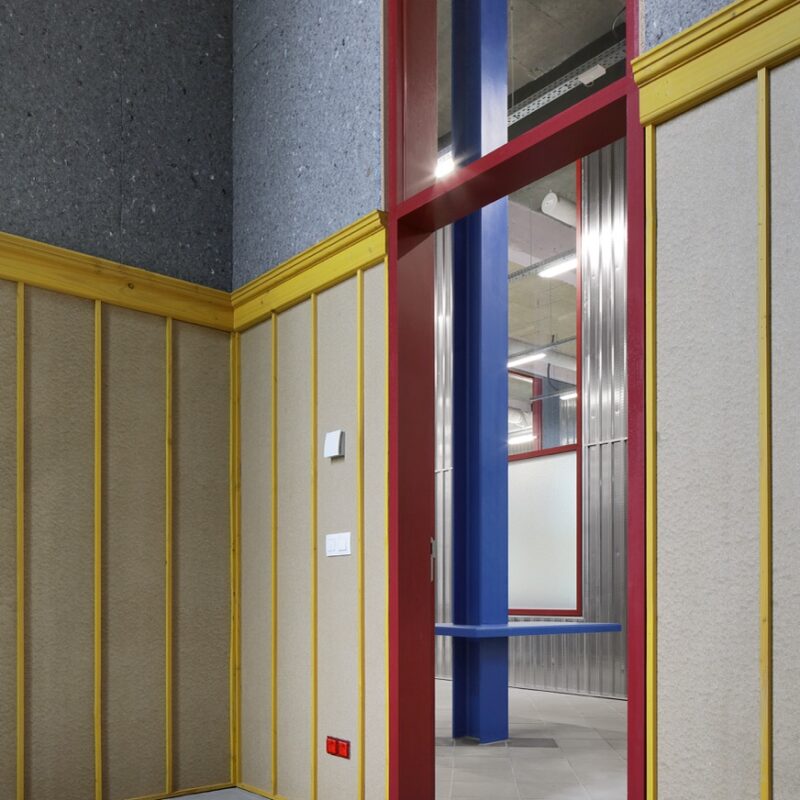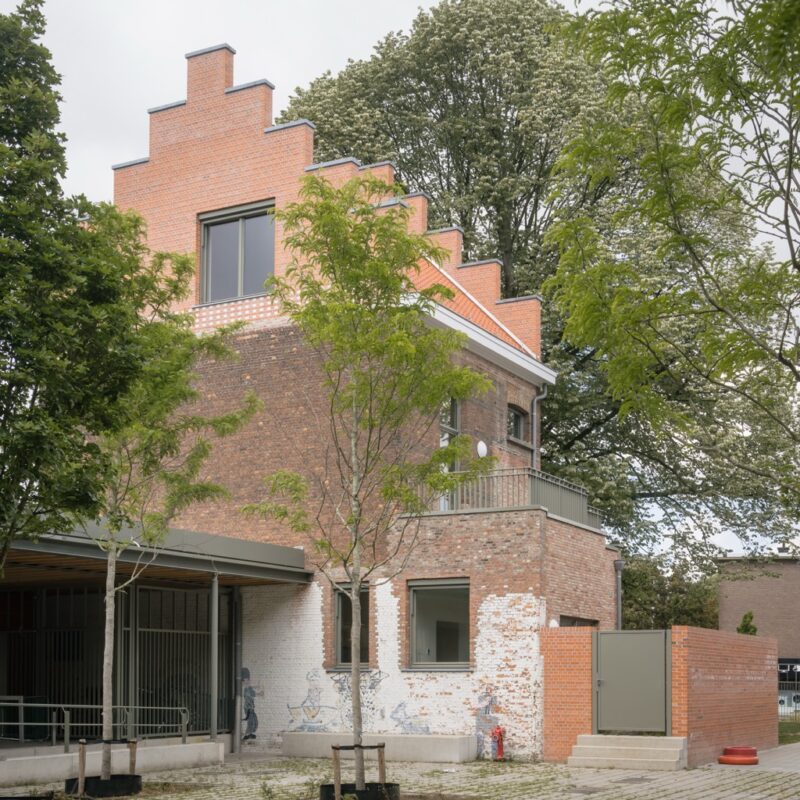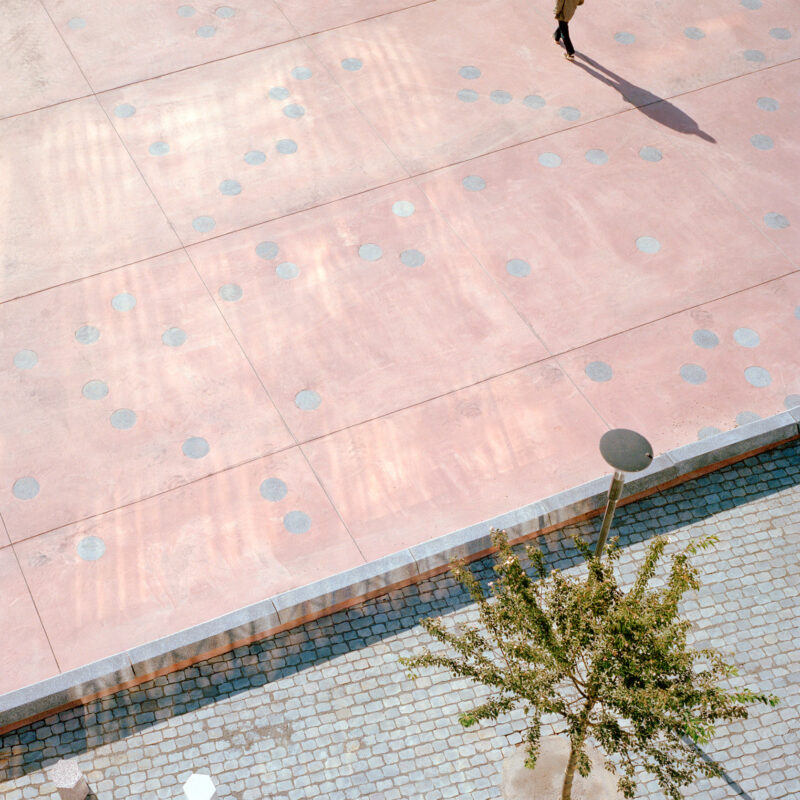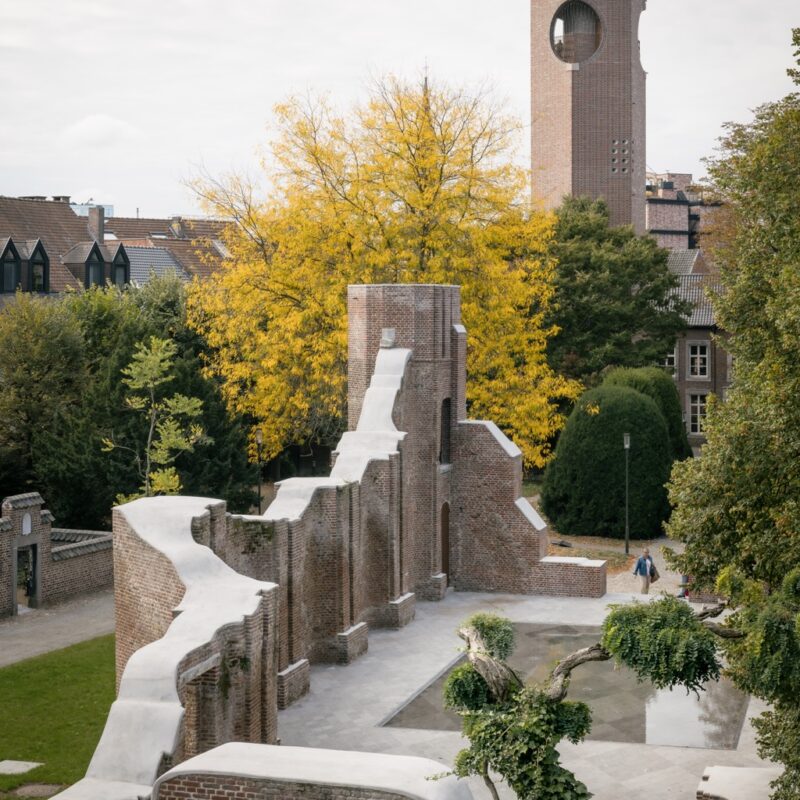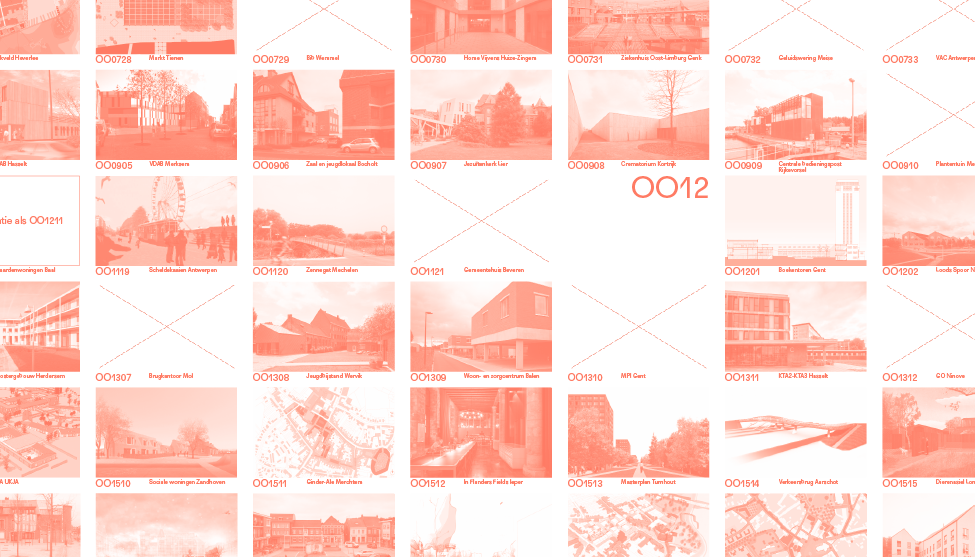
To mark the twentieth anniversary of the Open Call, the Flemish Chief Architect’s Team, in collaboration with the Department of Architecture and Urban Planning at Ghent University, organised a travelling exhibition which will premiere during the Festival of Architecture, and which explores the Open Call through three interpretations of public architecture. After all, the shift brought about by the Flemish Chief Architect’s Office over the past two decades through the Open Call lies in the fact that high-quality, interesting architecture in Flanders is now also being commissioned by the government.
Whilst weighing up titles and subtitles for the exhibition, a surprising discussion arose, as nobody had asked whether ‘public architecture’ actually exists. ‘Public architecture’ is certainly just as awkward a term as ‘private architecture’ – after all, it is not about the public or private nature of the discipline of architecture – but there seems to be more to it than that. The category is also conceptually imprecise, meaning it cannot be used to refer unambiguously to a specific group of buildings, and it also highlights a number of issues. After all, it is clear that public architecture today cannot be interpreted so narrowly as simply meaning buildings owned by the government, designed by designers from government departments, and intended for public use.