Edito
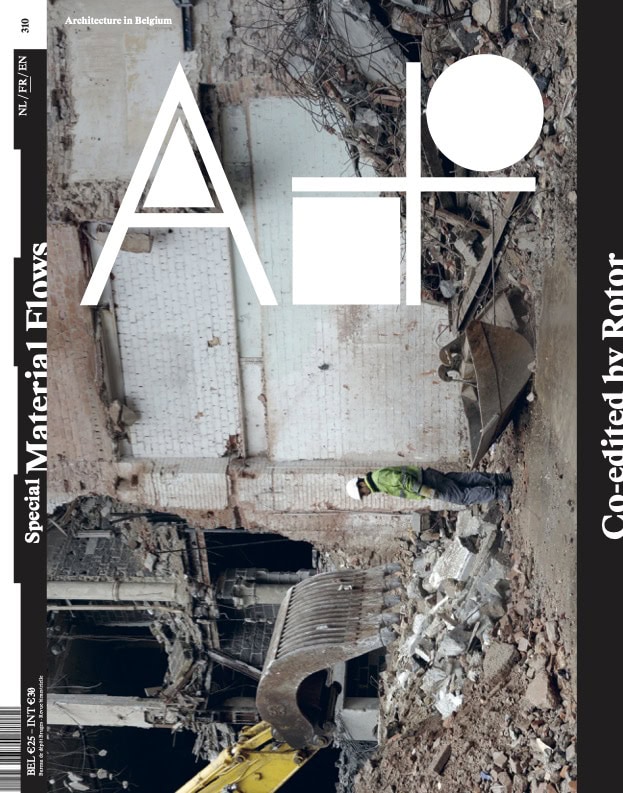
Rotor – Guest Editor
Can a curious interest in the origin and purpose of building materials enrich architecture? This, in any case, is an assumption that has been driving us since the early days of Rotor. We want to take advantage of the opportunity given us here in our capacity as guest editors to explore this assumption in more detail.
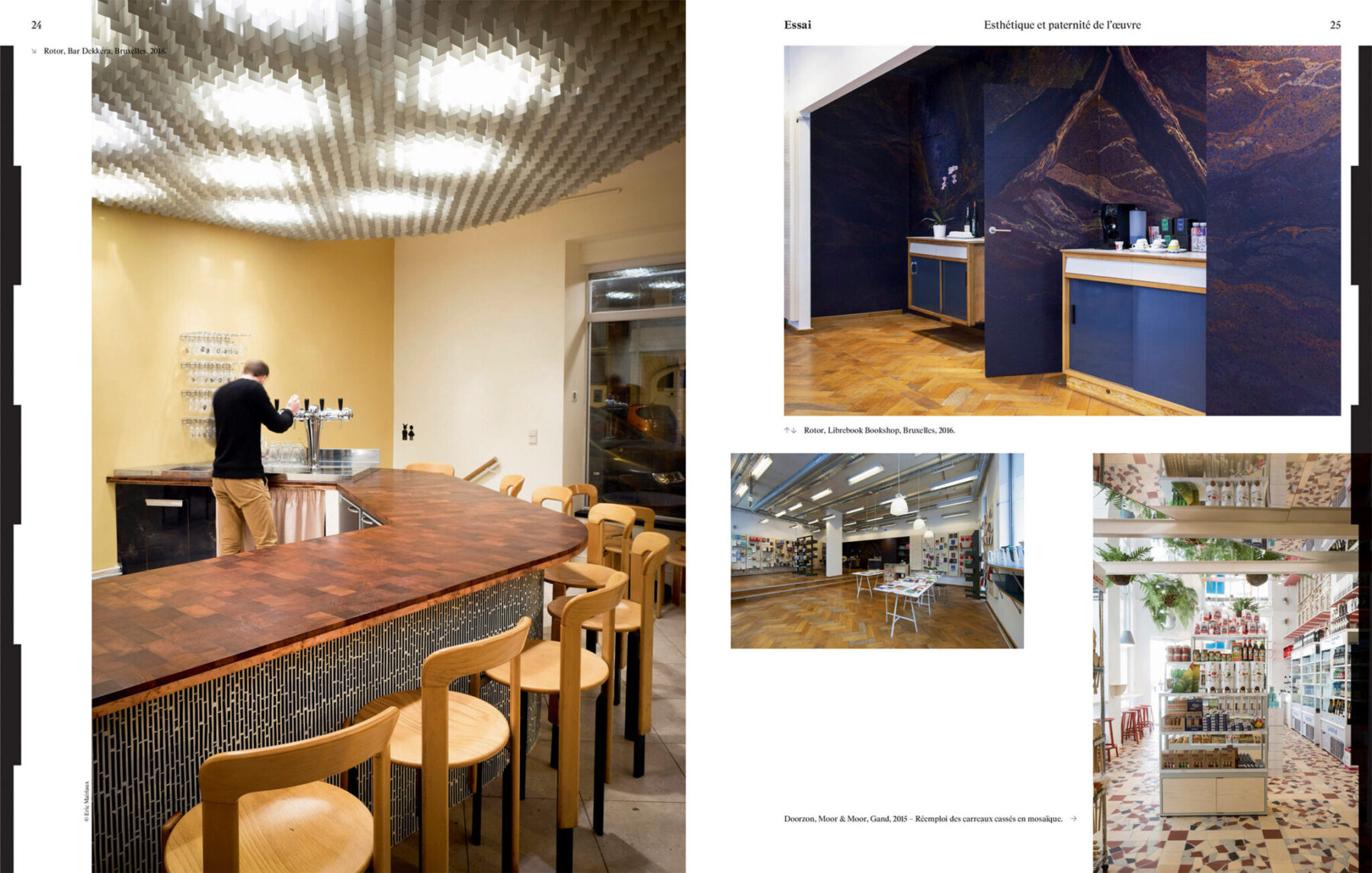
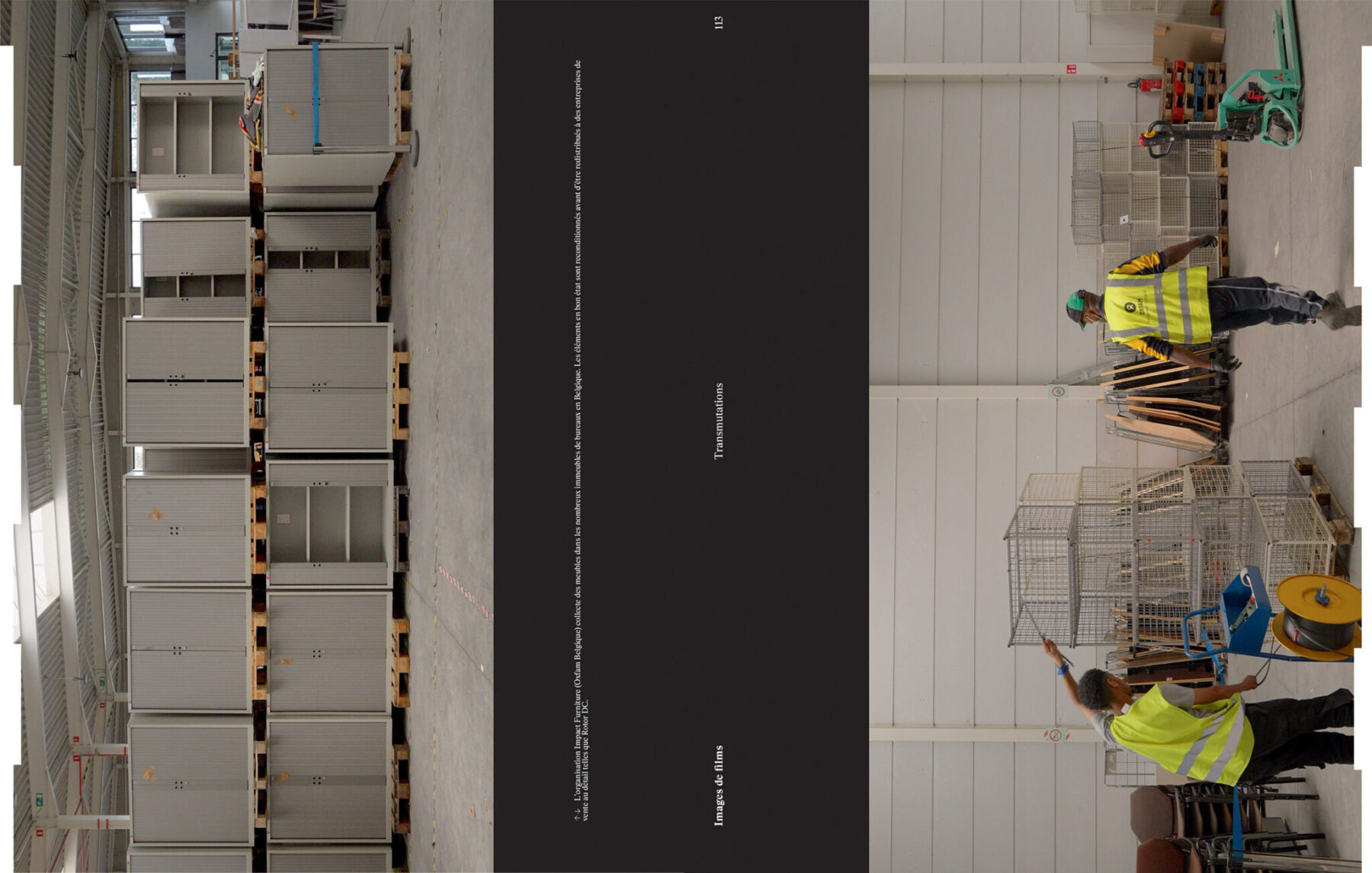
We have fuelled this curiosity about the organization of material and waste flows in many ways through our projects, from field surveys to attempts at conceptualization through publications and exhibitions, not forgetting design projects (which enabled us to experiment on a small scale with other ways of designing) and even the resale of reusable materials (which allowed us to explore ways to develop new supply circuits for materials). One subject in particular has proved very handy for our analyses, and that is material reuse.
Integrating the reuse of materials into a project process often means having to open a whole series of Pandora’s boxes that radically determine the practice of architecture but are rarely called into question. From technical standards to design methods, from the division of labour to the question of responsibilities, from the way in which public contracts are organized to the way in which a project is financed, taking reuse seriously requires a rethink of all these aspects. It is both a burden and a virtue: a burden because questioning oneself is never easy; a virtue because it makes it possible to sketch out potentially emancipatory alternatives in professional, social and ecological terms.
However, it would be misleading to see reuse as a solution per se. In itself, nothing protects reuse – or, more broadly, so-called ‘circular construction’ practices – from various forms of waste, exploitation and alienation. It is no doubt worth recalling that the salvage of materials has flourished in the most unlikely contexts. The practice has been attested to in particularly unrestrained forms of urban speculation (Paris during the Second Empire, for example) as much as in the search for anti-capitalist models led by countercultural movements (like the autonomous communes in the United States in the 1970s). What makes all the difference, of course, are the social relations in which this practice is embedded (the relation to work, to the economy, etc.). And while practice can usher in transformations in these social relations, it is itself in part determined by them.
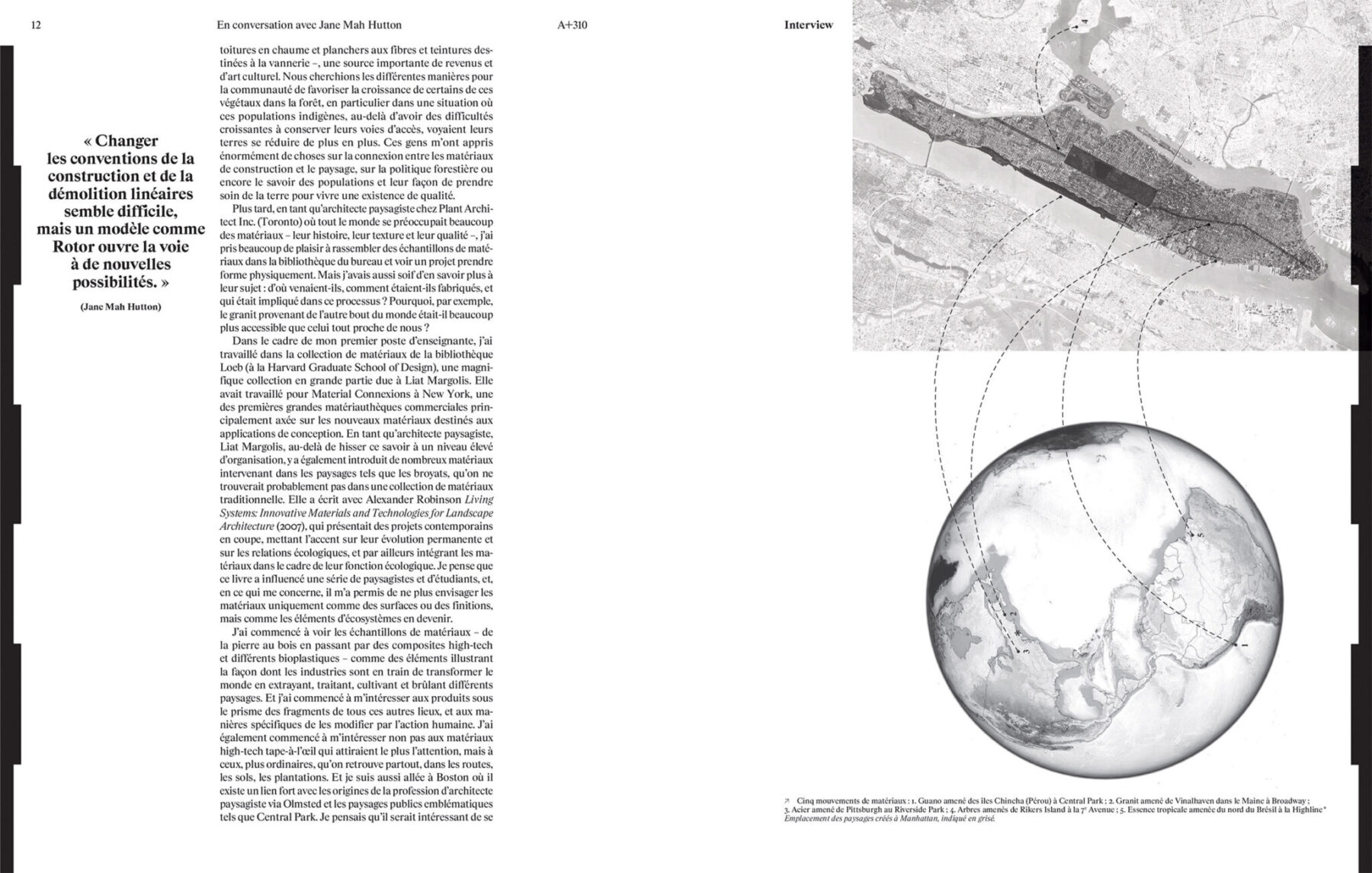
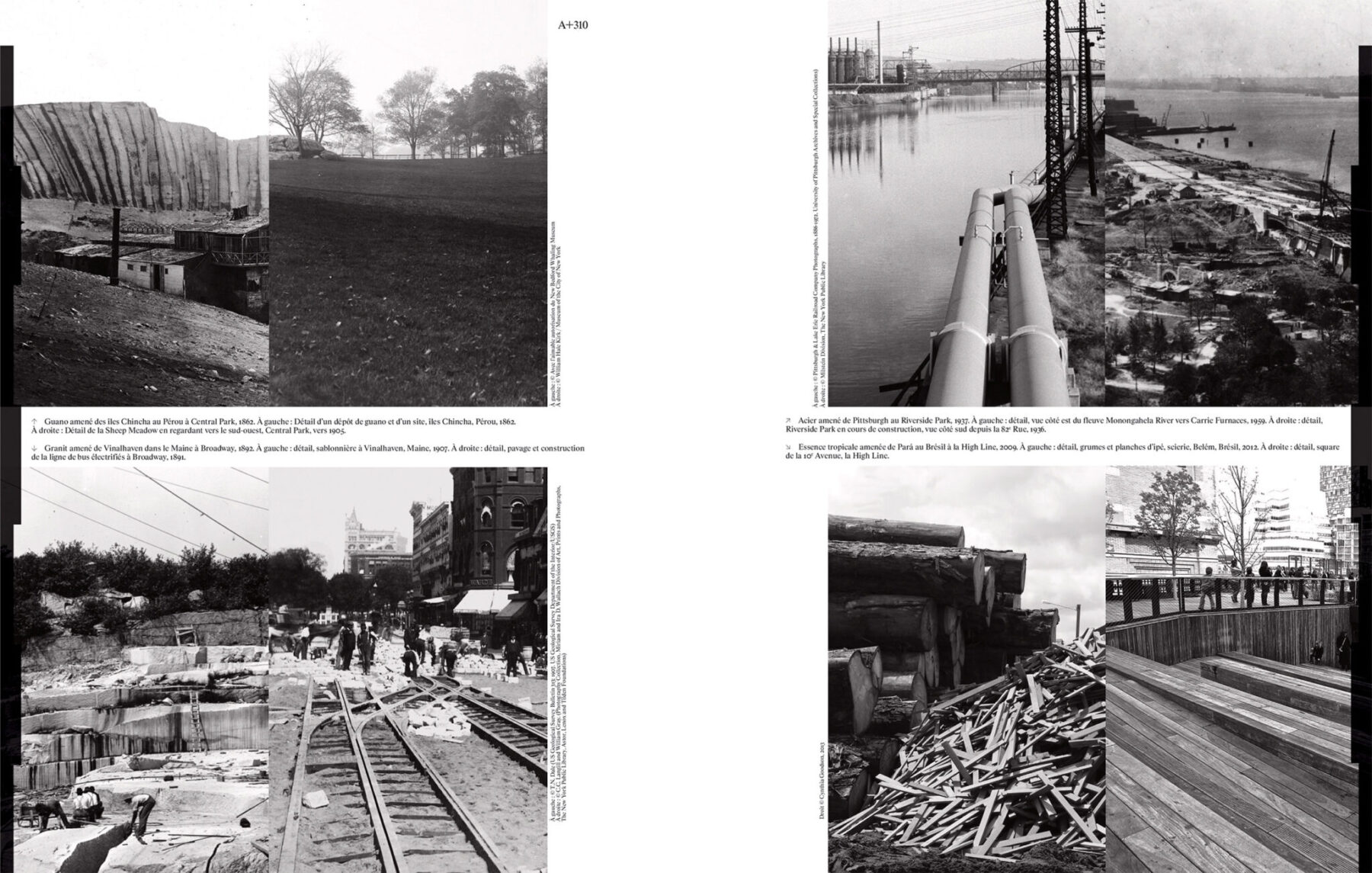
In this special issue, we want to show the extent to which so-called ‘circular’ practices are still largely entwined in socio-economic relations developed around the flows of the ‘linear’ economy. This issue is at the heart of the discussion between Jane Mah Hutton and Lionel Devlieger, who underline the importance of studying material flows in their historical, ecological and social aspects. This is also the subject at the centre of the Entangled Matter exhibition and the films Rotor commissioned the film-making duo Ila Beka and Louise Lemoine to make and from which the images on page 107 are taken.
We also want to open up some of the Pandora’s boxes that reuse makes tangible. Among these, Pierre Chabard tackles the question of aesthetics, which has received little attention to date but is so dear to the discipline of architecture. On another level, the question of the financing of alternative channels of material production was addressed at a round-table discussion of which Lisa De Visscher here gives an account. Lastly, Kristiaan Borret, the outgoing Bouwmeester Maître Architecte of the Brussels- Capital Region, discusses the need for change in public policy, particularly with regard to the preservation of existing buildings. More broadly, we want to explore some of the issues that would make it possible to anchor reuse more permanently in the context of the radical transformation of practices in the construction sector. One of these is maintenance and care, addressed in an article by Pauline Lefebvre. Another is the notion of low tech and, by extension, the need to rethink our relation to technology and innovation, a subject addressed by Thomas Vilquin.
To conclude, we also want to give some depth to the current debates on reuse. To do so, we feel it is important to consider the historical depth of the subject. We take a first step in this direction by presenting a few books on reuse published over the last fifty years. Photographer Delphine Mathy provides an overview of several com-panies specializing in the recovery of materials in a new photo-essay. This helps to anchor the discussions by taking into account the current specificities of this sector. Lastly, we also want to evoke the risk that the critical potential of reuse might erode. This issue is addressed in the opinion piece by philosopher Philippe Simay that closes this special issue.