
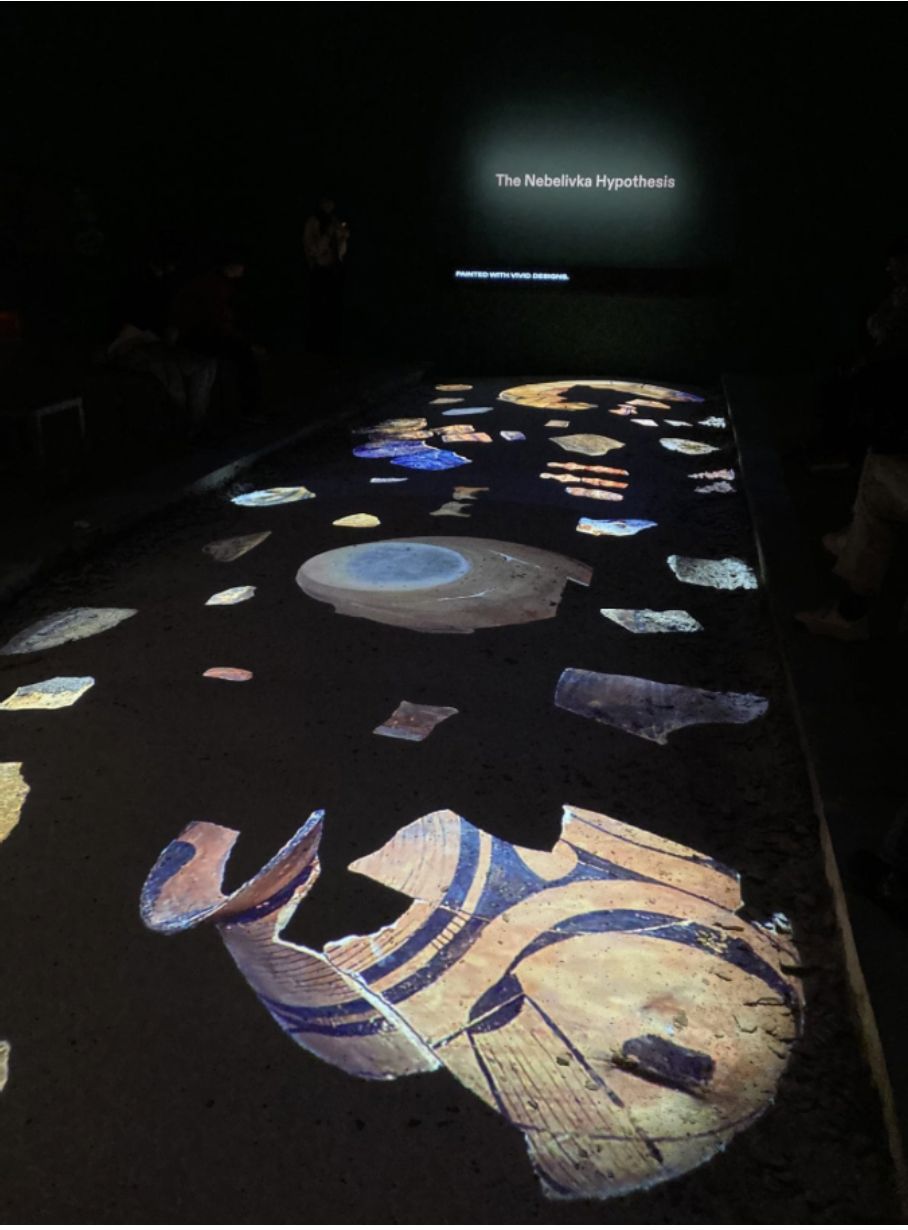
The move of the CIVA collection to the new building at the Kanal cultural centre is fast approaching. This change, which heralds future possibilities, will mark a new chapter for the CIVA. Yet it is the past that the organisation is exploring in its new exhibition on the origins of architecture. Pre-architecture, the study of architecture in prehistoric times, is not merely synonymous with the absence of architecture. It represents the possibility of an alternative course of events, given the current social challenges and climate change that are calling our practices into question. This critical reflection, informed by the perspectives of architects, artists, sociologists and archaeologists, is on display until 30 March 2025.
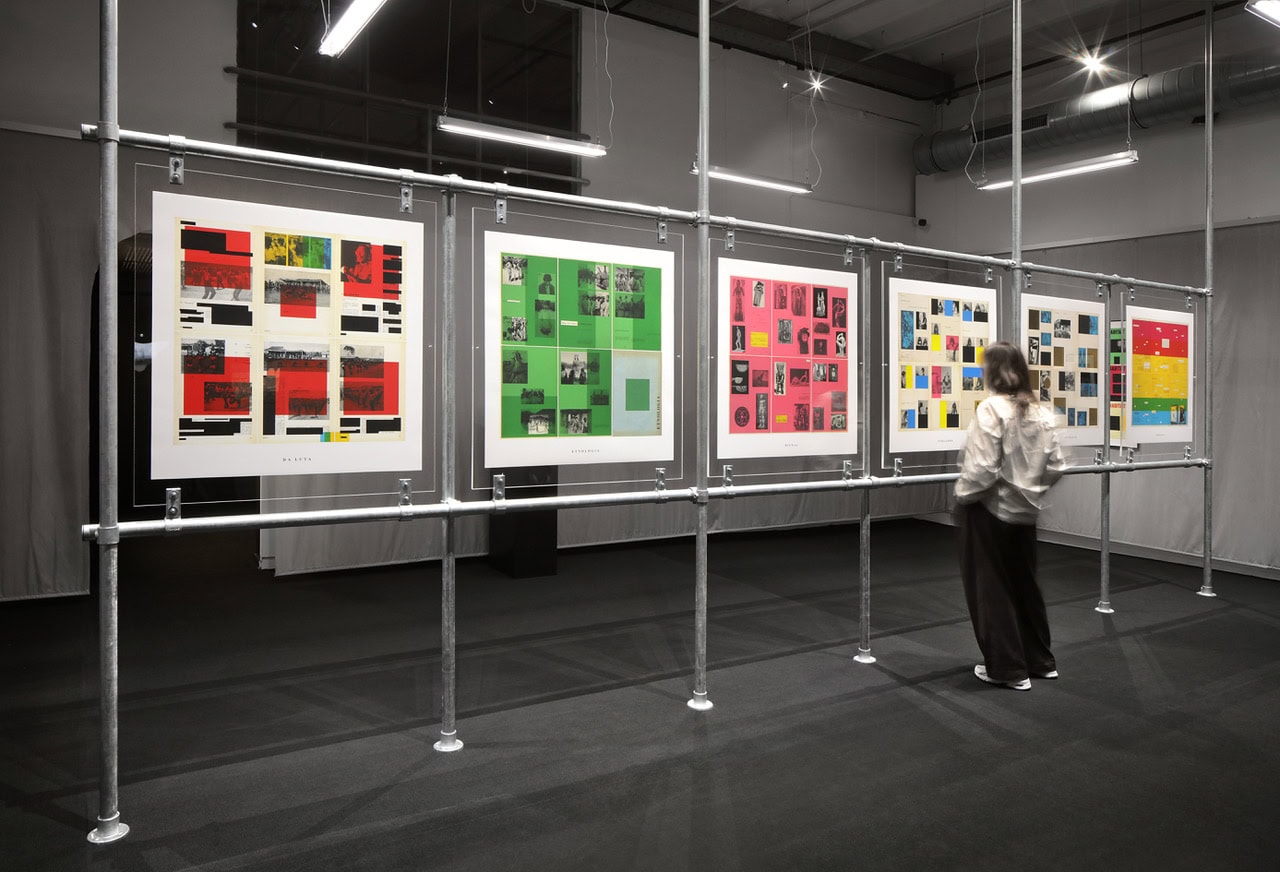
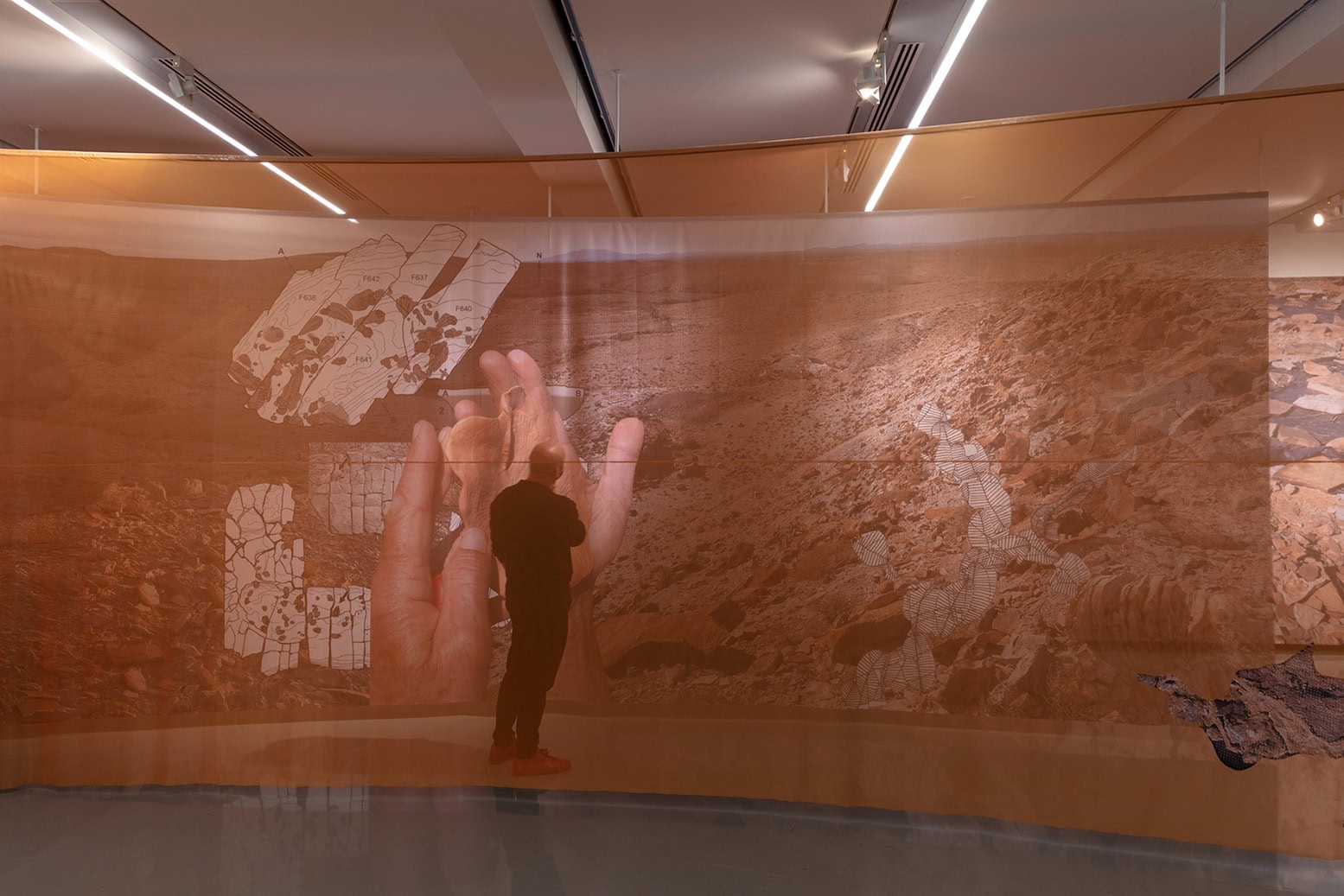
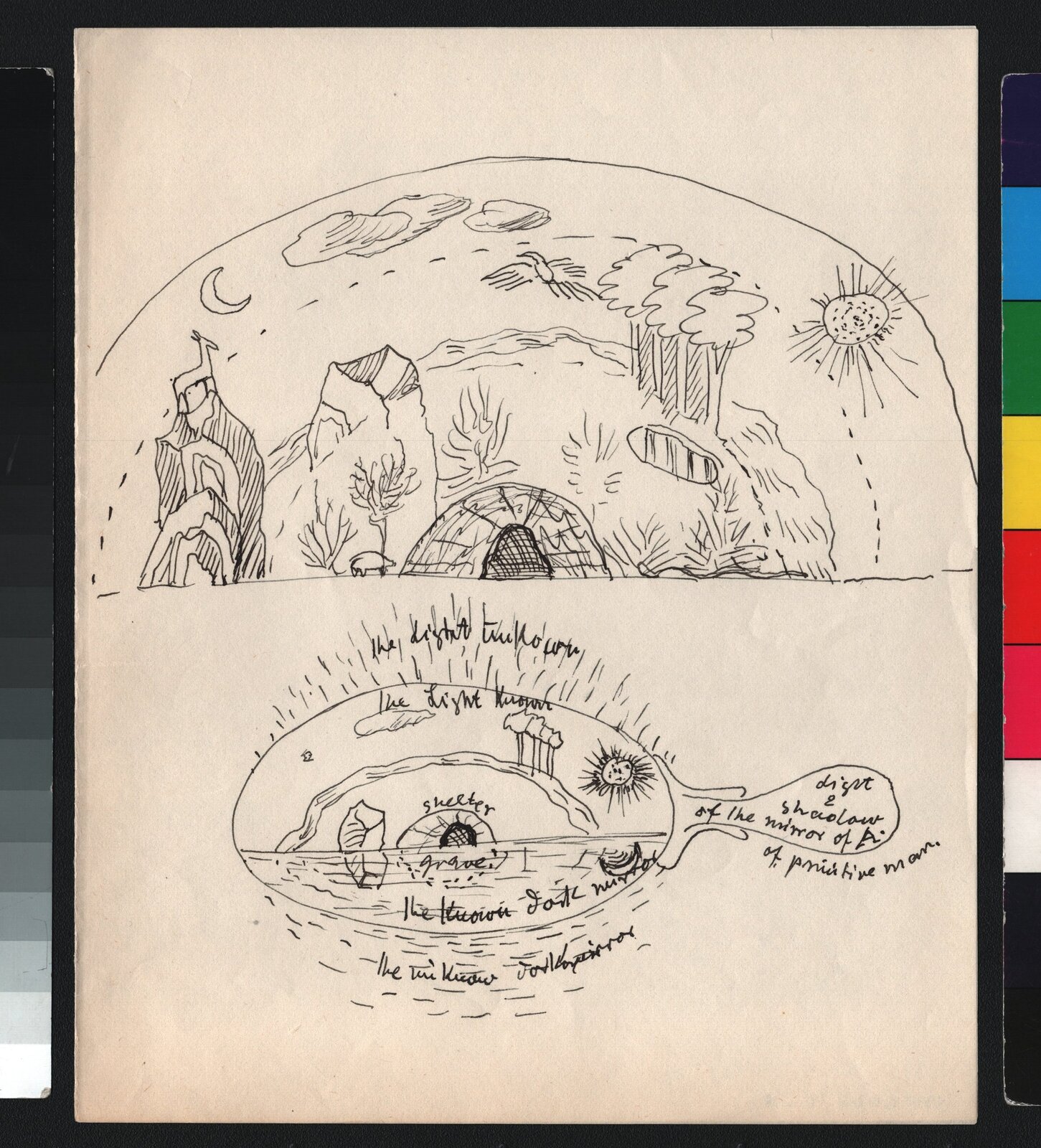
The works on display focus on the foundations of architecture and invite us to reflect through a wide variety of media, including drawings, collages, narratives, photographs, sculptures, textiles and more. The sketches and diagrams from Frederick Kiesler’s Magic Architecture illustrate his reflections on the notion of ‘every-man’s architecture’. Research that is often transdisciplinary, at the crossroads of archaeology, anthropology and biology.
The visitor’s attention is drawn to a critique of modernity and its historical context. Paulo Tavares’ book DES-HABITAT highlights the intersection of modernist aesthetics with the colonial period. It invites a critical engagement with issues of decolonisation and oppression in architecture.
According to Laurent de Sutter, the emergence of architecture as a practice is linked to the emergence of the city as a place of power. Indeed, etymologically, ‘archè’ means power. Architecture is based on rules to be applied, necessary to the human need for a foundation. But what would have become of architecture if it were anarchic?
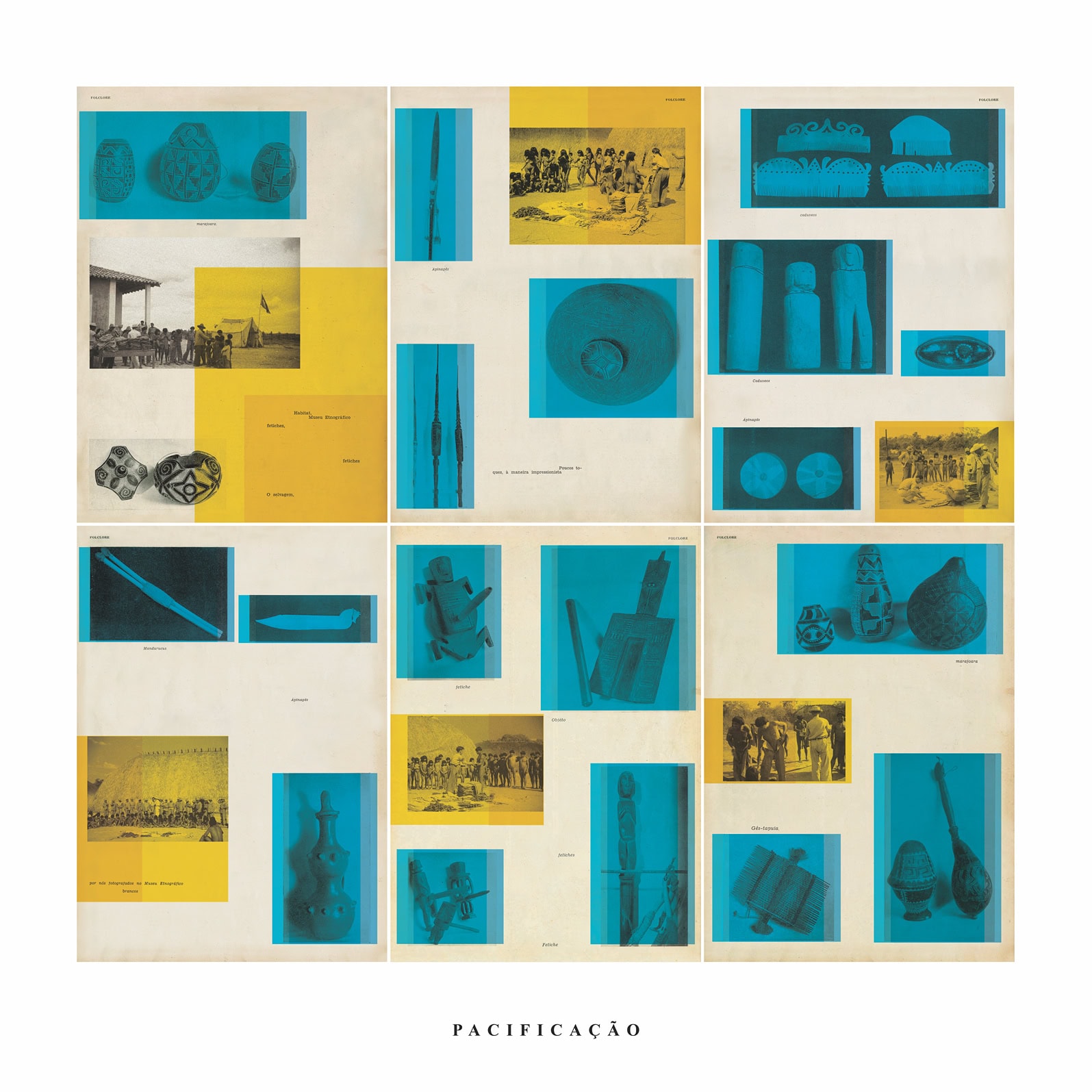
A series of events and talks will fuel the debate surrounding the exhibition. The work of Mariana Castillo Deball, Kader Attia, Anton Vidokle & Pelin Tan Gilgamesh, David Wengrow & Eyal Weizman, Jacques Gillet, Gianni Pettena, Ettore Sottsass, and Hans Hollein is on display. It plunges us into an implicit world; much like the allegory of the cave, the exhibition challenges our perceptions by presenting an alternative to our familiar reality. It suggests another possible direction for the evolution of architecture.
