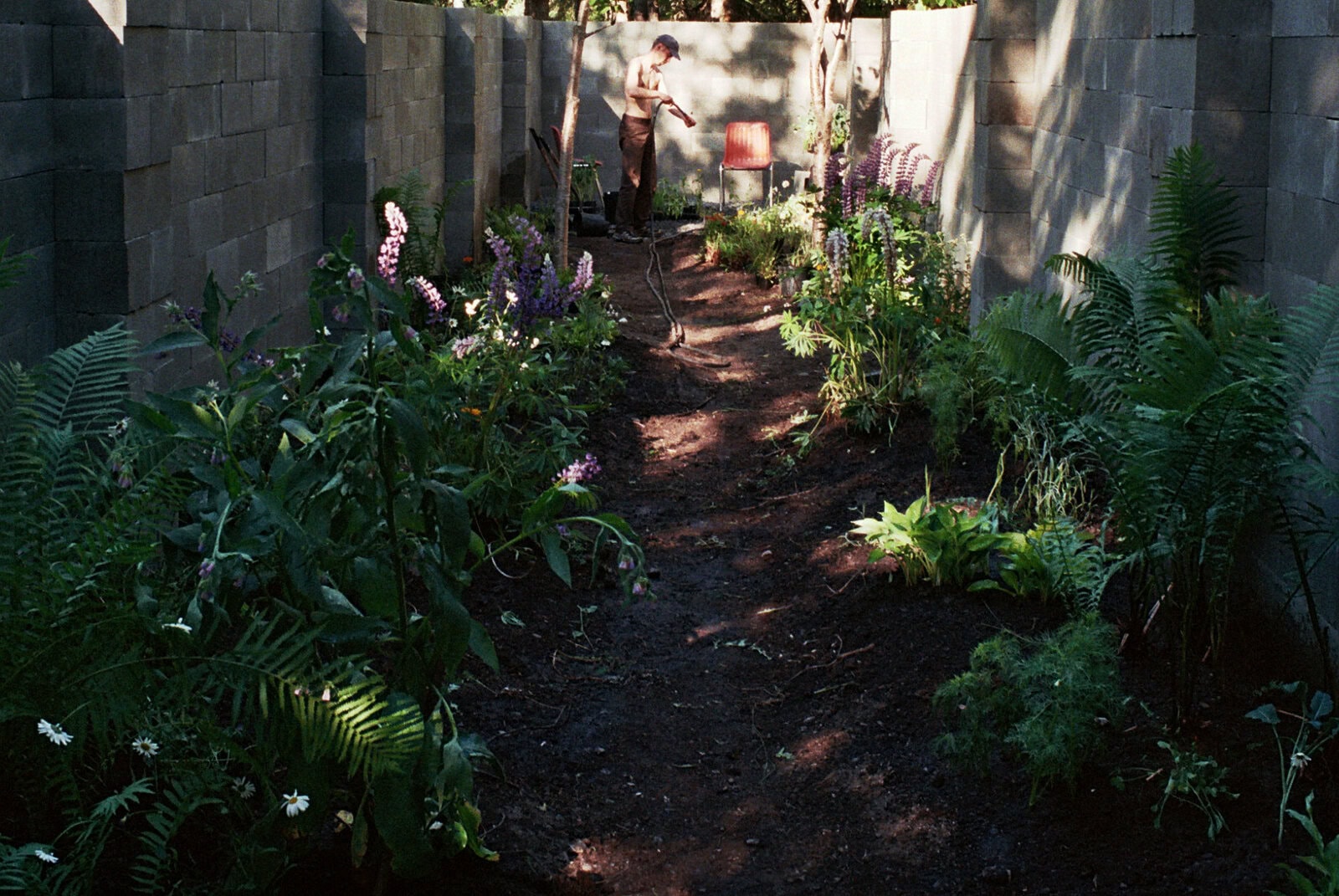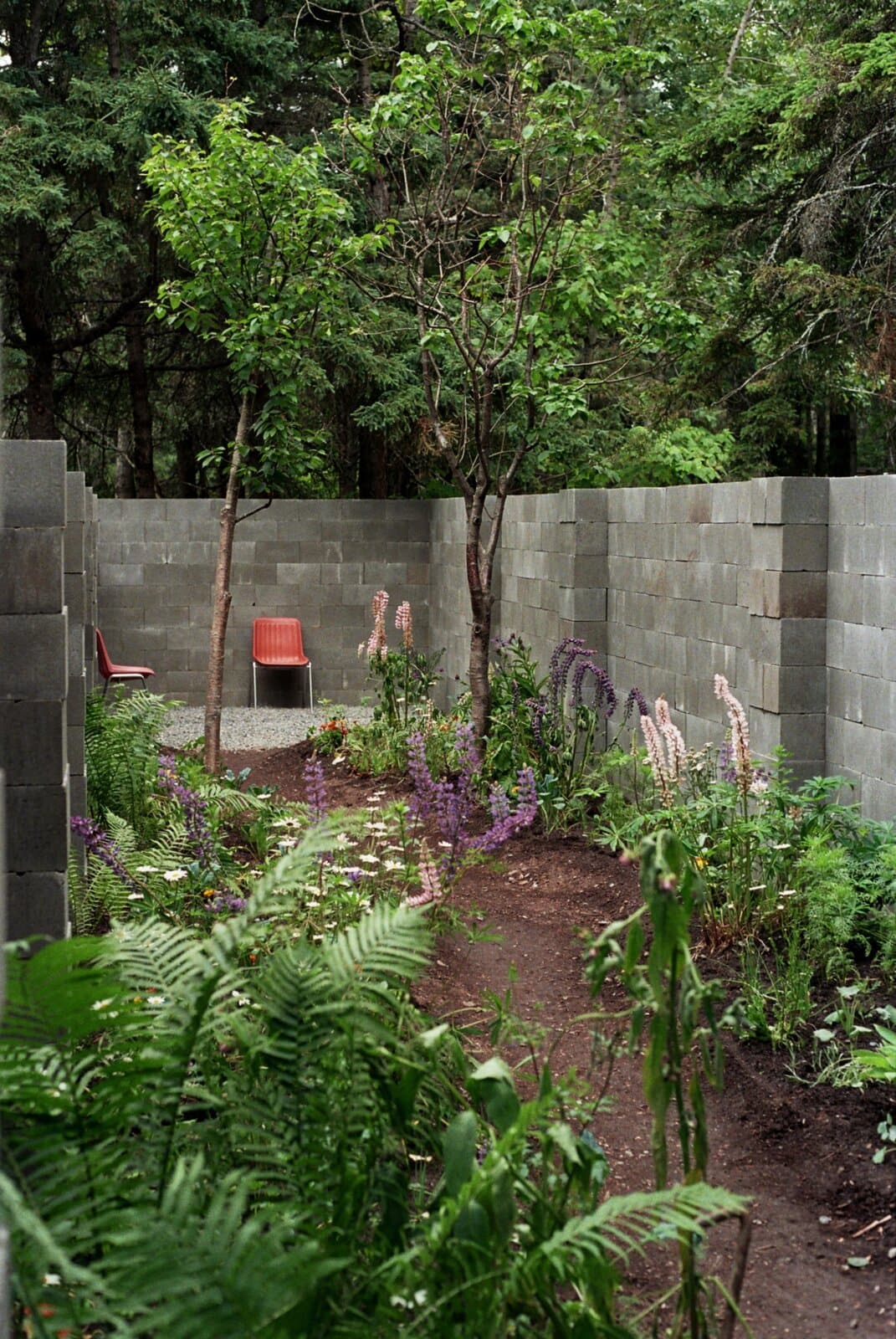
Last autumn, visitors to the Jardins de Métis in Québec (Canada) could imagine themselves in Ghent for a moment. For the 25th edition of the Festival international de jardins, the Belgian collective Pioniersplanters designed an installation based on a typical Flemish city garden.
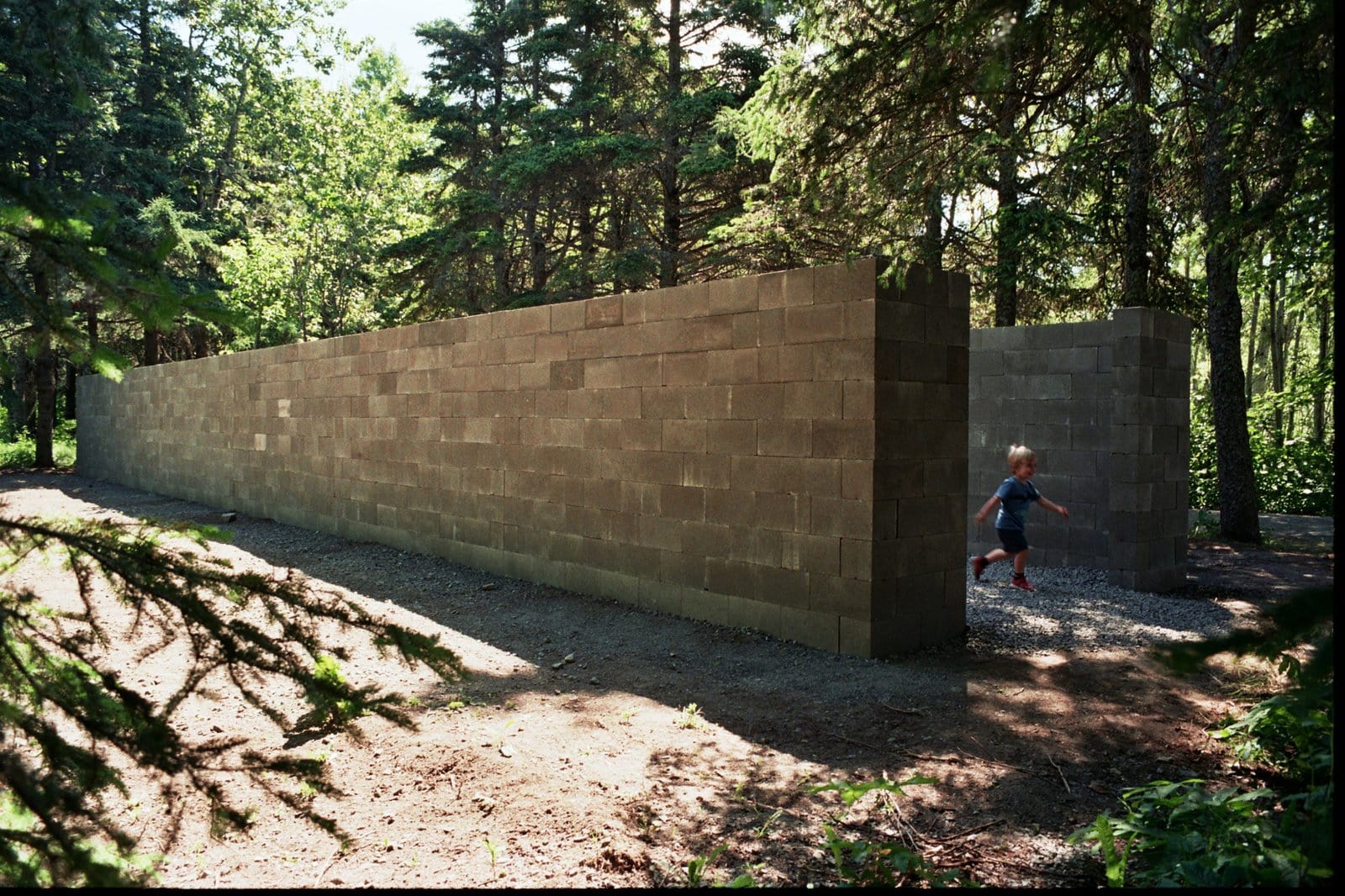
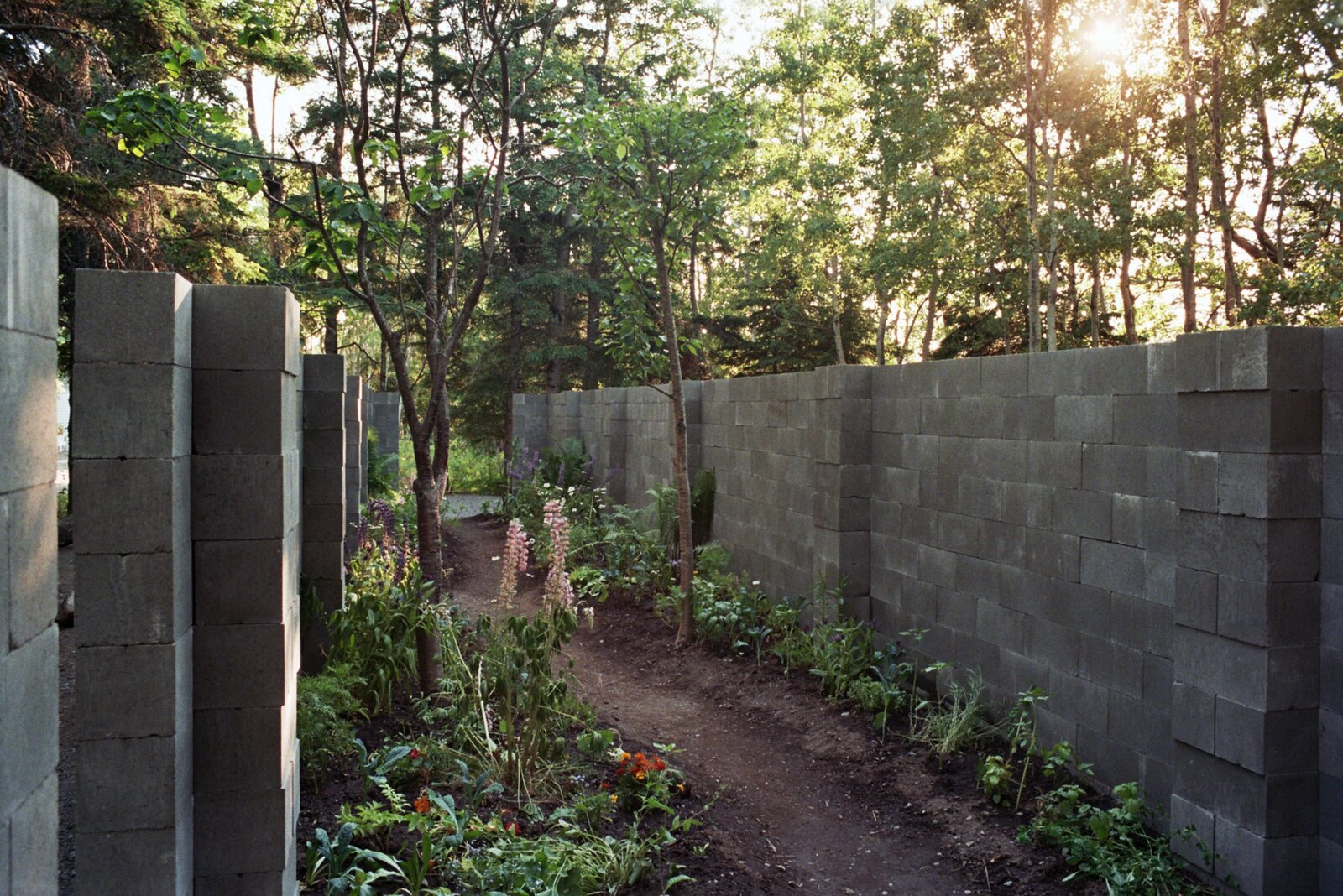
Under the annual theme ‘écologie des possibles’ (ecology of possibilities), the designers took a striking starting point: the ordinary garden. “The proportion of land taken up by private gardens (of which there are around 2 million) is estimated at 12%. That is four times the total area of non-residential nature reserves in Flanders,” states the collective. The potential of the Flemish garden is therefore enormous. This vision aligns with the festival’s philosophy: nature and culture are interconnected – not treated as opposites.
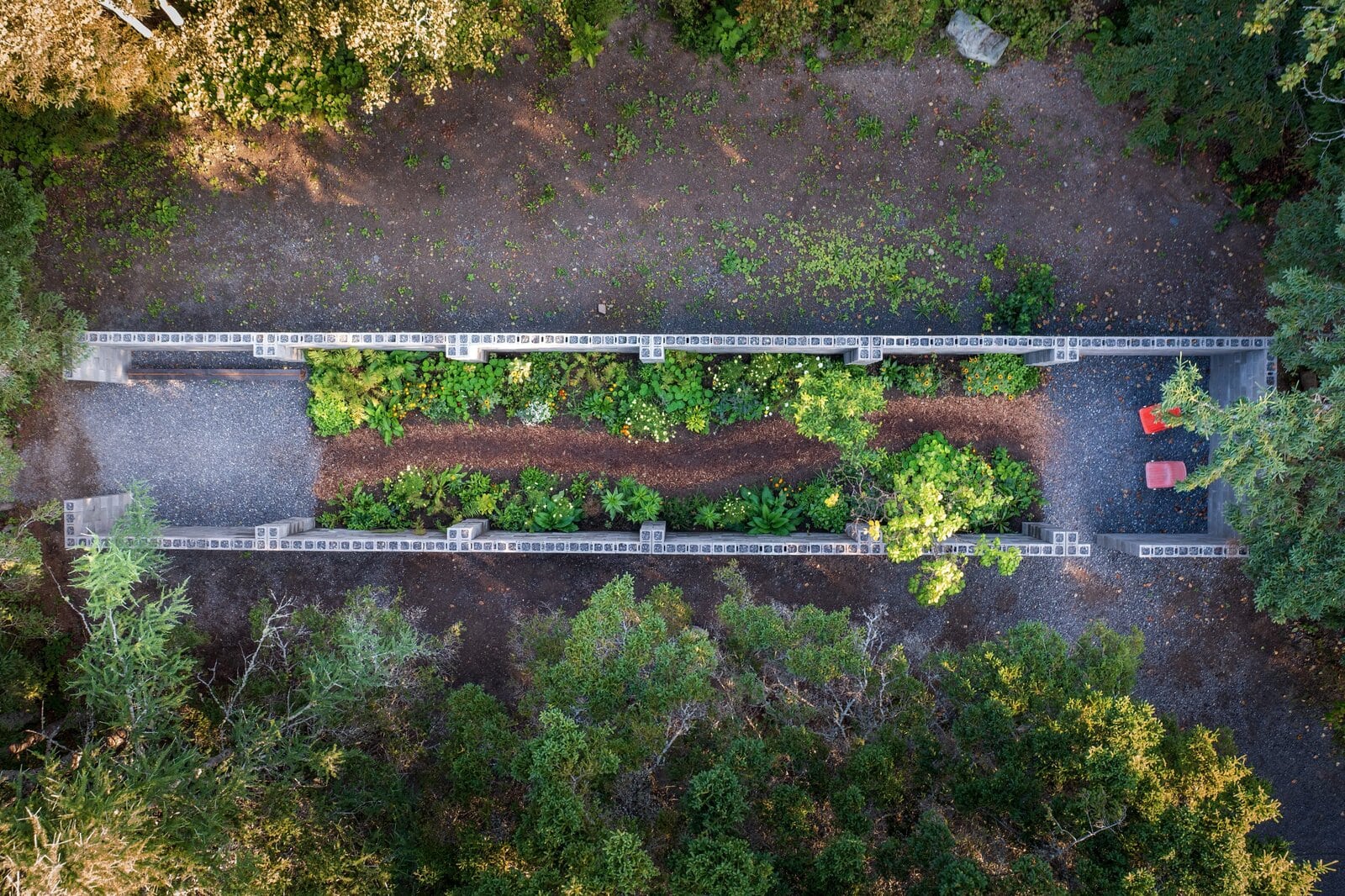
The basis of the installation was the private city garden of one of the collective’s members. Located on Lieremanstraat in the centre of Ghent, this plot of land can serve as a representative Flemish garden – and demonstrate its possibilities. With its 72 m² and natural layout full of flowering plants and water-permeable ground cover, it stands in contrast to the often paved or tightly mown gardens surrounding it. The garden on Lieremanstraat was reconstructed in Québec for the exhibition at full scale (1:1). In this new context, the garden was given space to be viewed as a self-contained whole; a physical mise en abîme of a garden within a garden. The typical boundaries of an urban garden—four walls—no longer restricted the space, but created an intimate retreat where visitors could relax, linger or move about.
Whilst the Flemish context consisted of neighbouring gardens that were largely paved, the installation in the Jardins de Métis nestled within a rougher, more natural environment. This allowed the garden’s softness to create a contrast once again. Openings in the walls piqued visitors’ curiosity, and those who entered the garden found a surprisingly soft, inviting space. A simple bench offered the chance to linger for a moment. Although the garden was an exact replica, the walls were constructed from concrete quick-build blocks rather than the familiar brick. This choice made it possible to reuse the blocks after the exhibition had ended.
With their installation, Pioniersplanters sought to raise awareness of the possibilities offered by this type of garden. “The potential of gardens cannot be overlooked; it is immense,” they state with conviction.
The 25th edition of the Festival international de jardins ran from 22 June to 6 October 2024. The next exhibition by Pioniersplanters can be visited from 26 June at De Singel in Antwerp, in collaboration with the VAi for table setting #14.