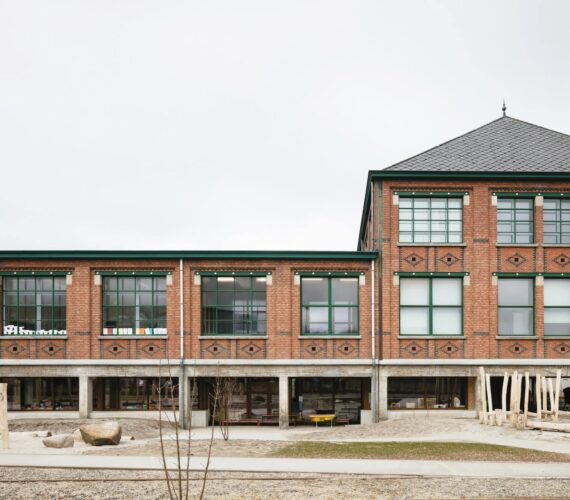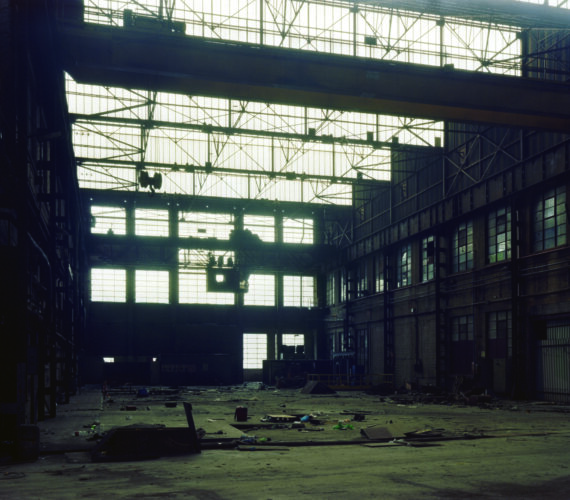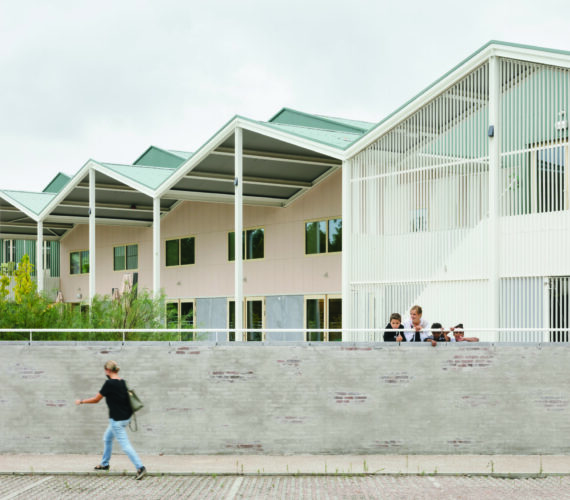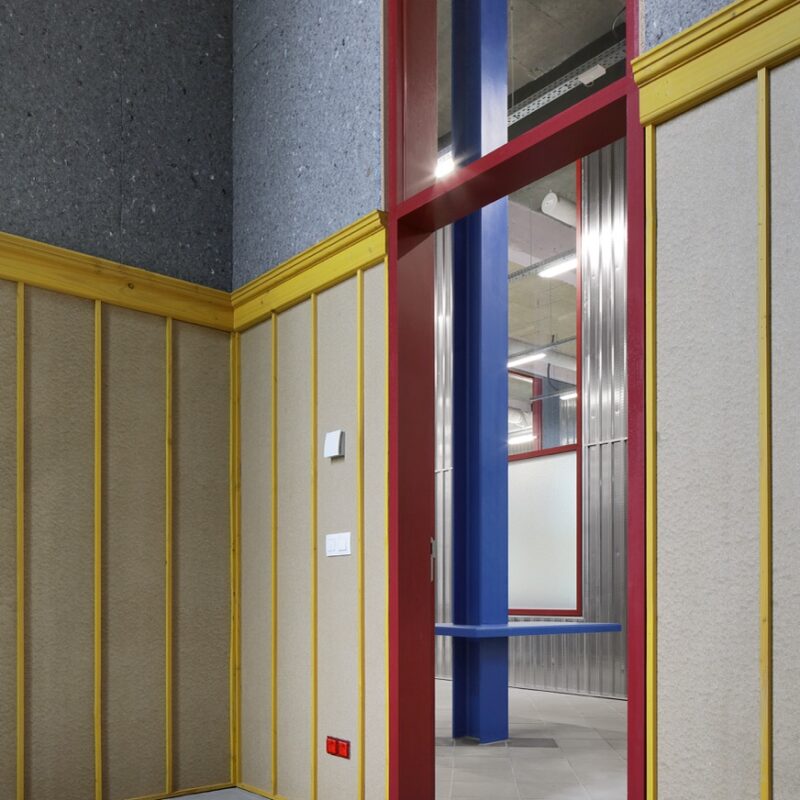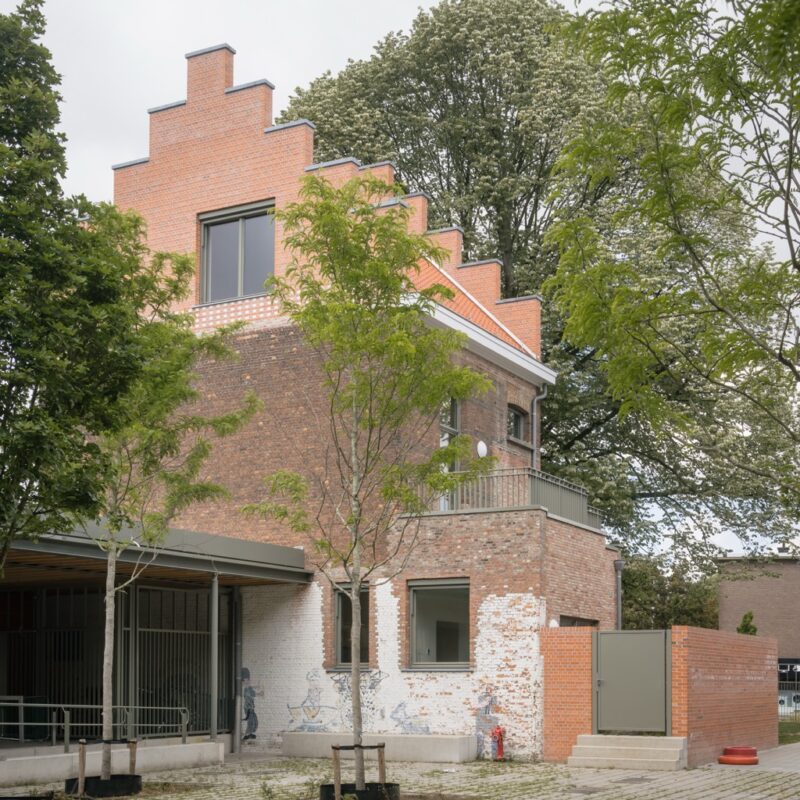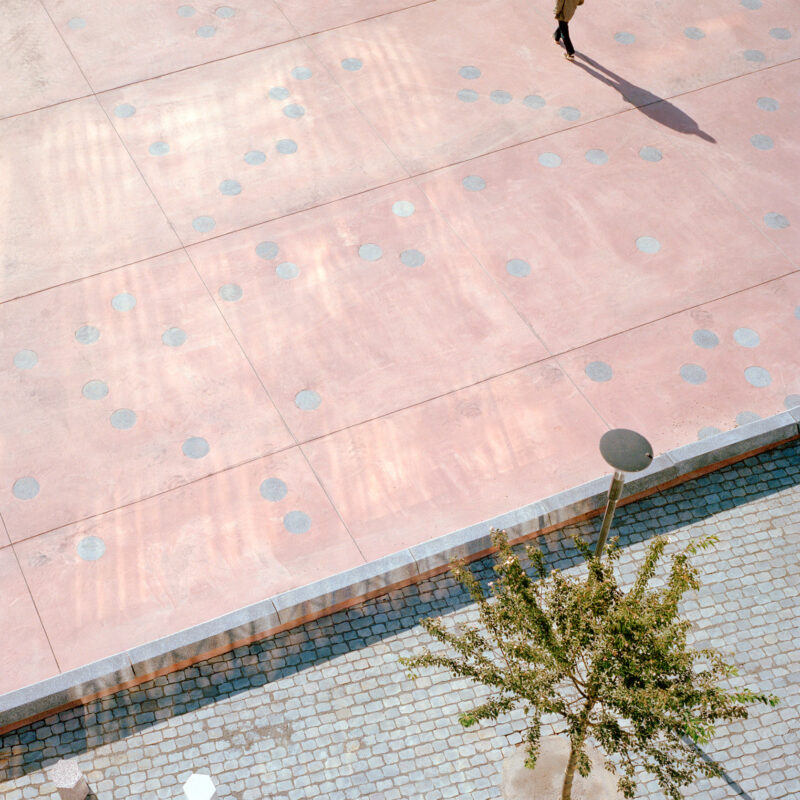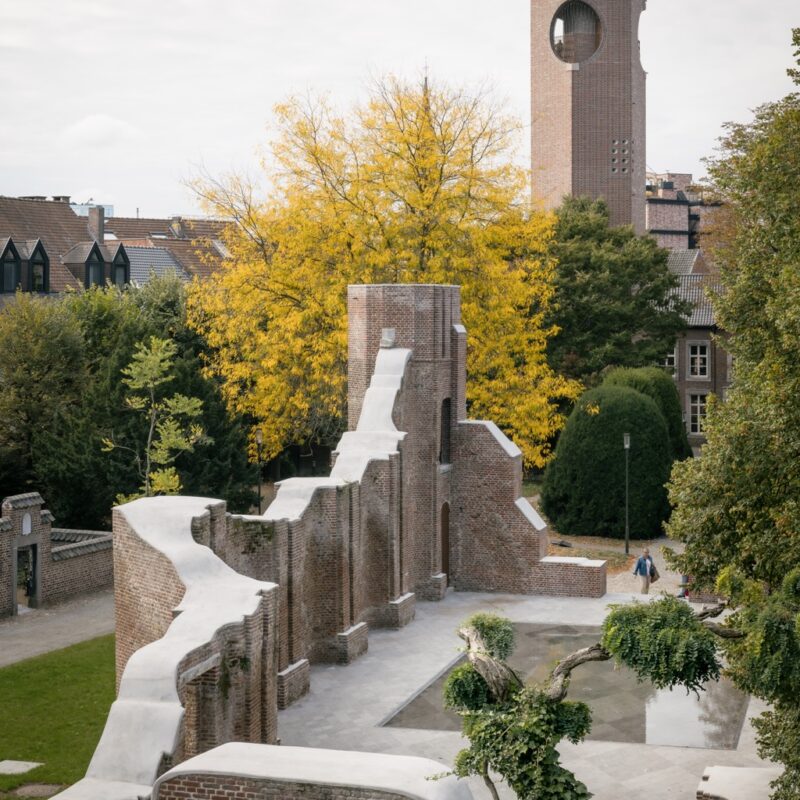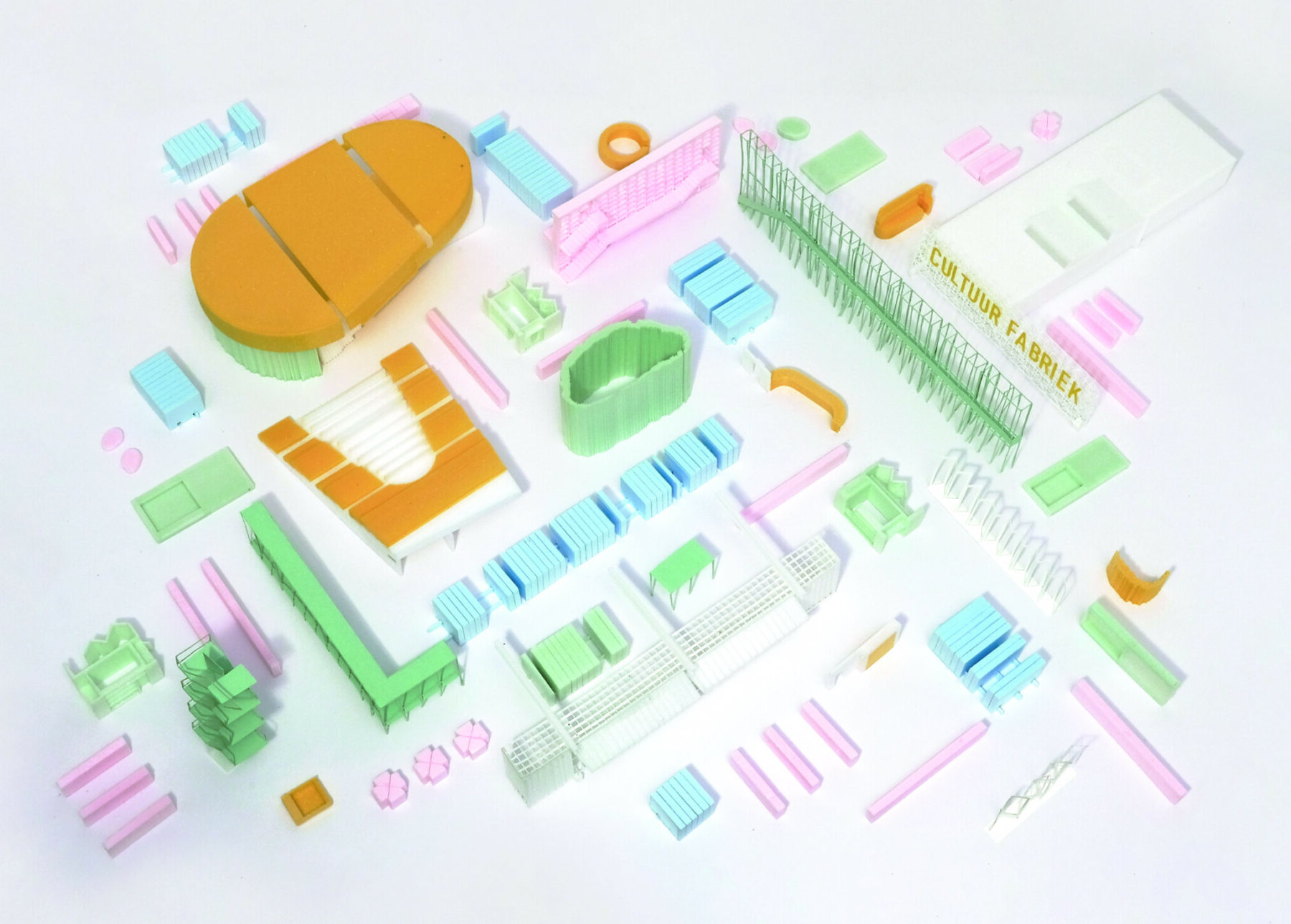
The Open Call project for the Cultuurfabriek in Izegem involves transforming a large 20th-century industrial complex into a multi-purpose building that will house a library, an art academy for visual arts and music, and a municipal archive. The proposal by BeL Sozietät für Architektur brings the relationship between architectural and interior design into sharp focus.
In 1983, bOb Van Reeth published a lecture entitled ‘The Long-Term That Makes Coincidence and Imagination Possible’. In the text, he makes a somewhat provocative and hierarchical distinction between the work of the interior designer and that of the architect. “The use [of a building] is fleeting, just as life is fleeting. The interior design, conceived in terms of use and comfort, is by definition provisional and specific in nature. Usually, the architect will also be responsible for this, but his role is then that of an interior designer.’1 Van Reeth criticises his colleagues for being too preoccupied with interior design and the ephemeral. In his view, the architect would do better to concern himself with the structural components of the built environment. In the text, he lays the foundations for his views on the ‘intelligent ruin’. 1 Geert Bekaert (1983) Texts by and about bOb Van Reeth, Ghent: RUG. Faculty of Applied Sciences, p. 217