The COVID-19 crisis has turned all eyes on the healthcare sector. Suddenly, everyone realises that without nurses, doctors, care home staff and researchers, we are completely helpless. It is the carers and healthcare institutions that are – quite literally – keeping the country alive. Yet in Belgium, cuts have been made to healthcare spending for years. The consequences of this are also physically measurable in the architecture of the type of healthcare institutions – hospitals, residential care homes, psychiatric institutions – that have been built in recent years. Wards are being closed down for not being profitable enough; smaller entities are disappearing or merging with others, resulting in ever larger and more efficient healthcare factories where the human scale is lost.
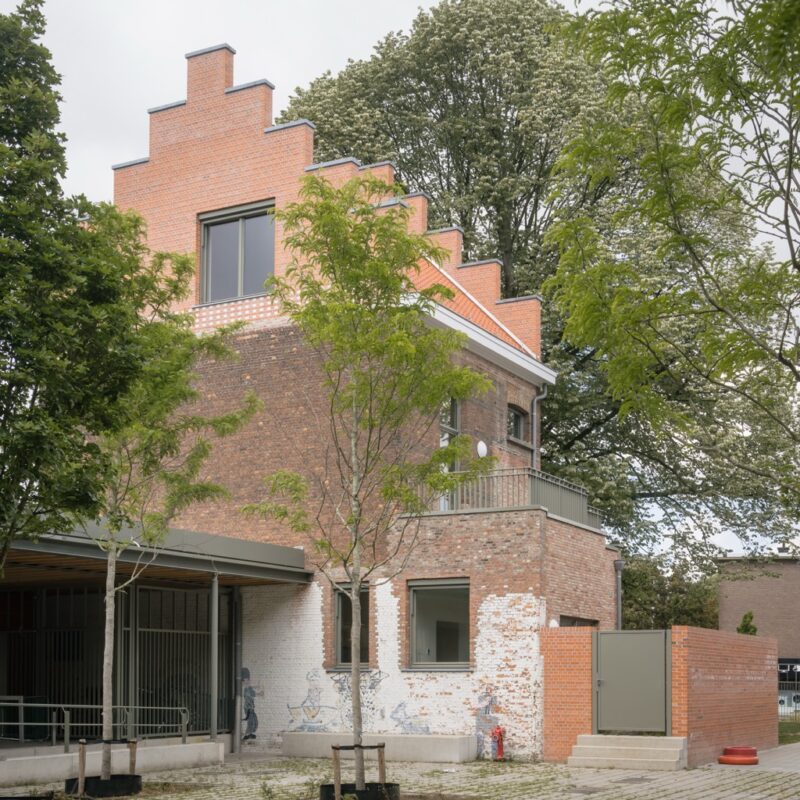
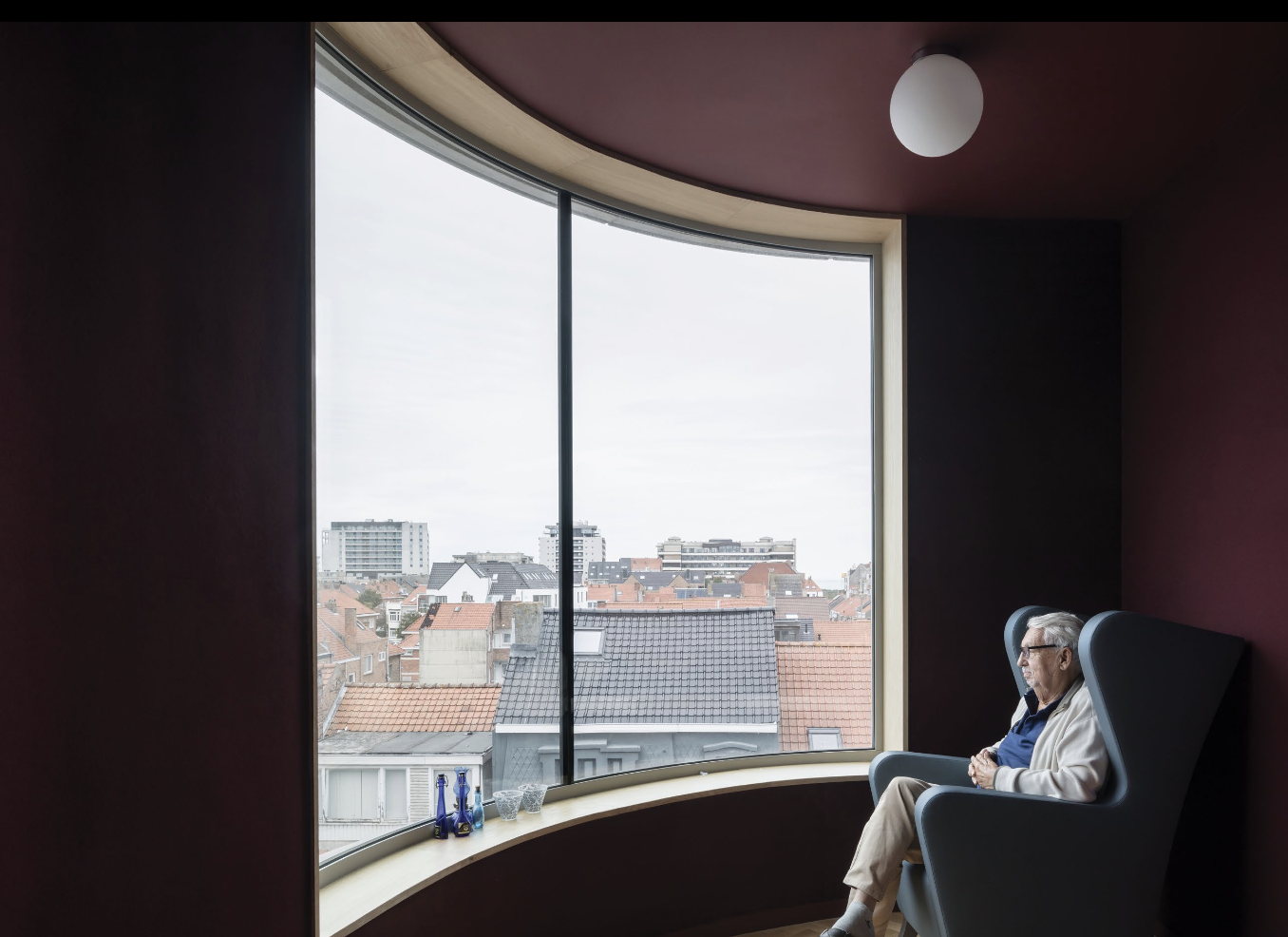
The longer you stay in a healthcare facility, the more important that human scale – or the associated sense of security – becomes. During a lockdown or if you are placed in quarantine, the quality of the physical environment becomes even more important. That is why, in this issue, we are not discussing the many new, high-tech and vital hospital infrastructures that have sprung up in our country, but rather the long-term care settings where patients become residents. Institutions where people come not so much to be cured, but to be guided and supported in their lives – and sometimes also at the end of their lives. Care centres where people from the at-risk group live, for whom the virus can be fatal, but who, on the other hand, also suffer most from the consequences of isolation resulting from the lockdown.