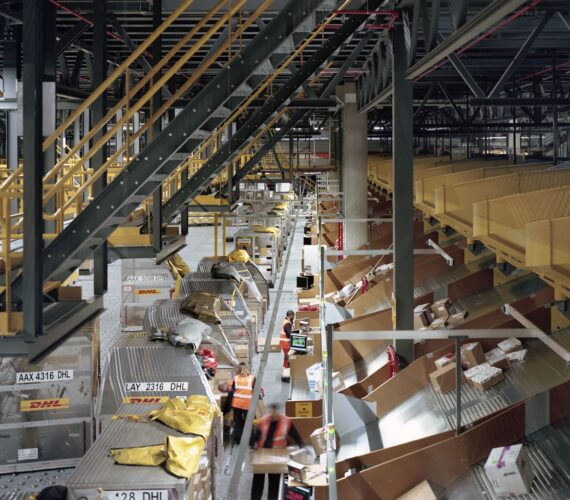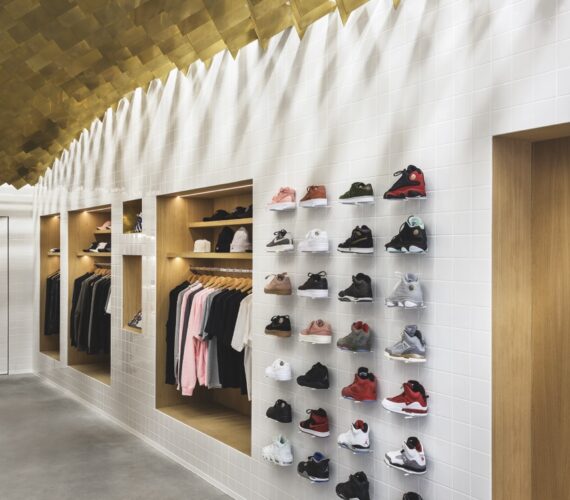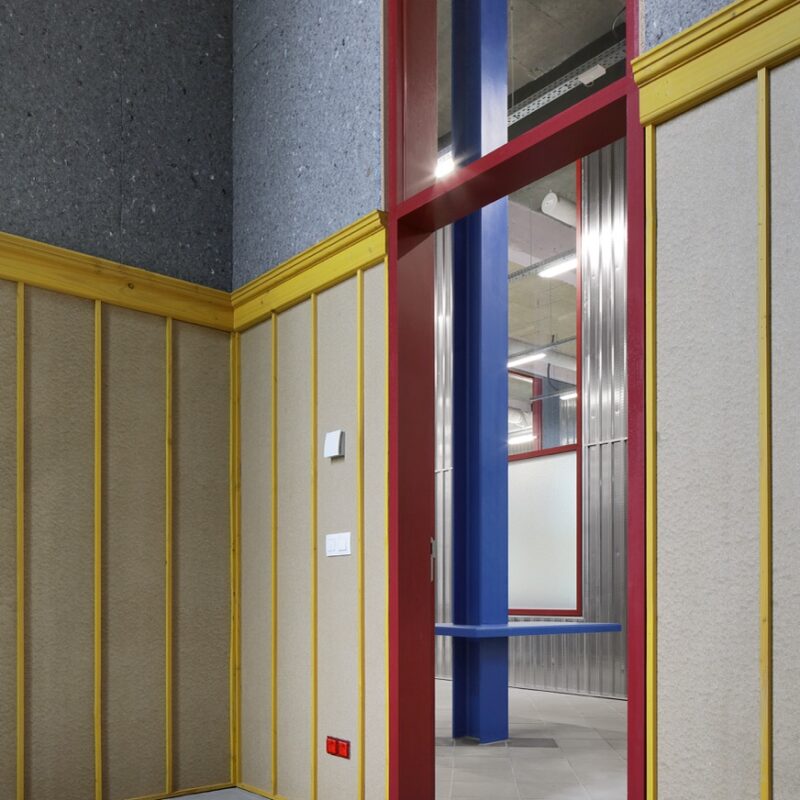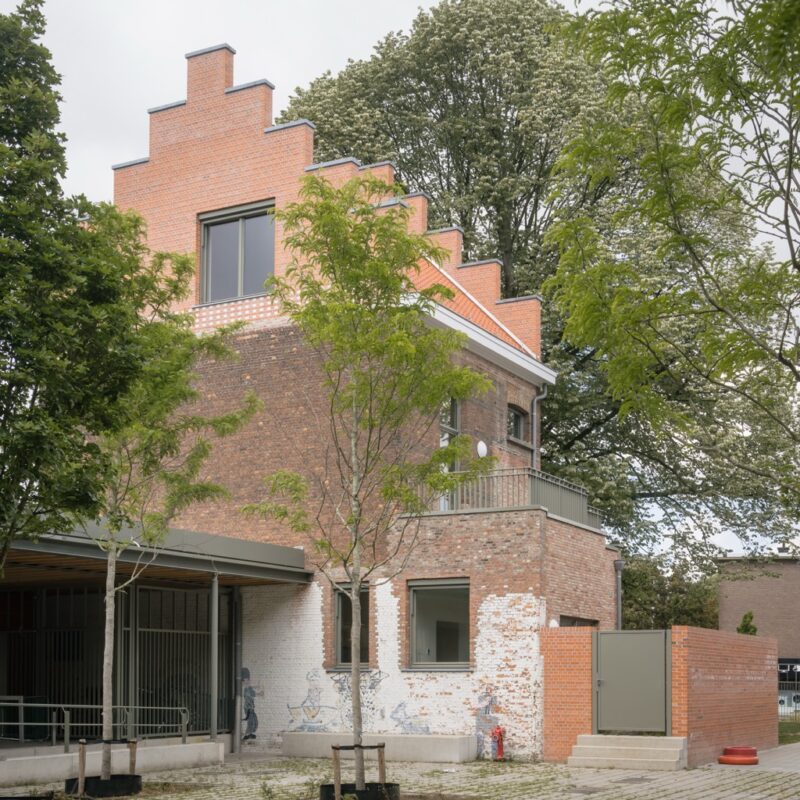
In the dark days between St Nicholas’s Day and Valentine’s Day, some lights never go out: those in the shopping centre. During the festive season – which actually stretches over ten weeks – everyone goes to great lengths to turn love, peace and solidarity into sales. The success of this period underpins the turnover of most shops which, behind the pretty Christmas lights, engage in cut-throat competition to win customers. In this battle, the spatial setting – or, more precisely, the shopping experience – is a key weapon, with a direct impact on the city and public space as a result.
The first covered shopping arcades and, later, department stores emerged in the 19th century, when the bourgeoisie gained power and visibility, a shift that was also reflected in their consumption patterns. As the flâneur swapped the chaotic crowds of the grand boulevards for the luxury and comfort of the shopping centre, he transformed into a consumer. Semi-public space has become a reality. After the Second World War, shopping centres modelled on the American style also sprang up across Europe. But the consumer is as fickle as the competition is ruthless. Consequently, the shopping centre as a typology has a particularly short shelf life. A shopping centre such as Gent Zuid, twenty-five years after its opening, resembles a clumsy dinosaur, an outdated urban planning folly. And yet we are still striving to build ever more.